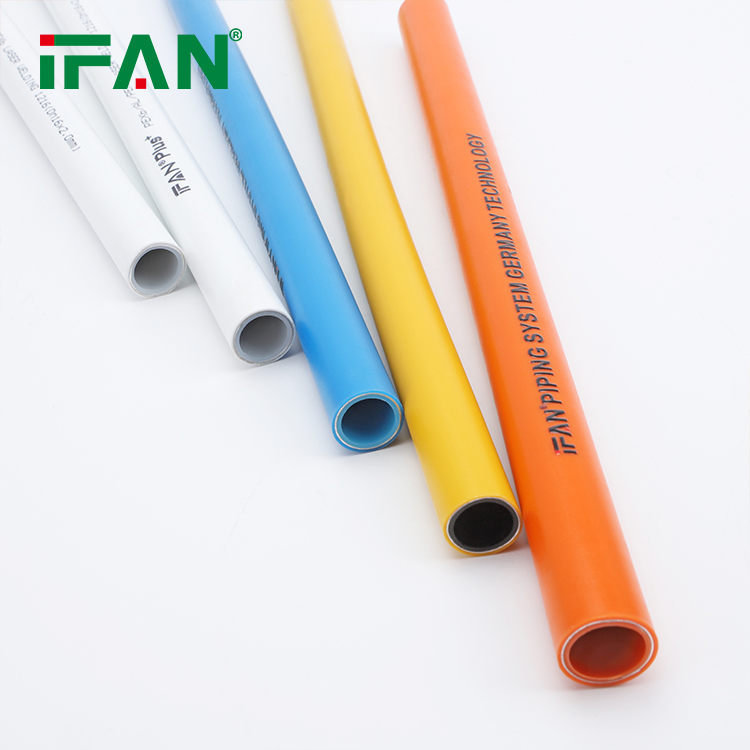
Picking a PEX supplier isn’t about finding the lowest quote. It’s about finding someone whose third container looks exactly like the first one, and whose paperwork survives a five-minute check on a certification database. Most importers learn this the hard way—after a fitting weeps behind a wall or a customs officer rejects a shipment because the certificate belongs to a different factory.
Here’s how to separate the real manufacturers from the trading desks, and the serious ones from the ones who just have a good catalog.
First, check who actually owns the certificate
A supplier saying “we’re certified” is meaningless until you know whose name is on the listing. For potable water in North America, you want NSF/ANSI 61. In the UK, WRAS. For heating loops, a DIN 4726 oxygen barrier claim. Ask for the certificate number—not a photo of the certificate—and then look it up yourself in the issuing body’s public register . If the company name doesn’t match who you’re talking to, or the number doesn’t resolve, you’re not talking to a manufacturer. You’re talking to someone reselling paperwork.
Second, read the quotation for what’s missing
A serious quote names the material and the standard. It says “PEX-a to ASTM F876,” not just “PEX.” It lists wall thickness in millimeters or the SDR, not just the diameter. For heating pipe, it specifies the EVOH oxygen barrier and ties it to DIN 4726 . The omissions tell you where the margin is hiding. A quote that says “high-quality PEX pipe” and nothing else is reserving the right to change the wall thickness or resin grade between your sample and your container .
Third, demand a live look at the line
Trading companies send brochures and stock footage. Manufacturers put a phone in front of a running extrusion line within a day . Ask for a short-notice video walk: extrusion lines, the pressure test bench, the QC lab, the framed business license on the wall. Check that the business scope actually lists plastic pipe manufacturing, not just “wholesale and import/export” . This single request filters out most intermediaries before you waste time on samples.
Fourth, match the PEX type to your market, not the price list
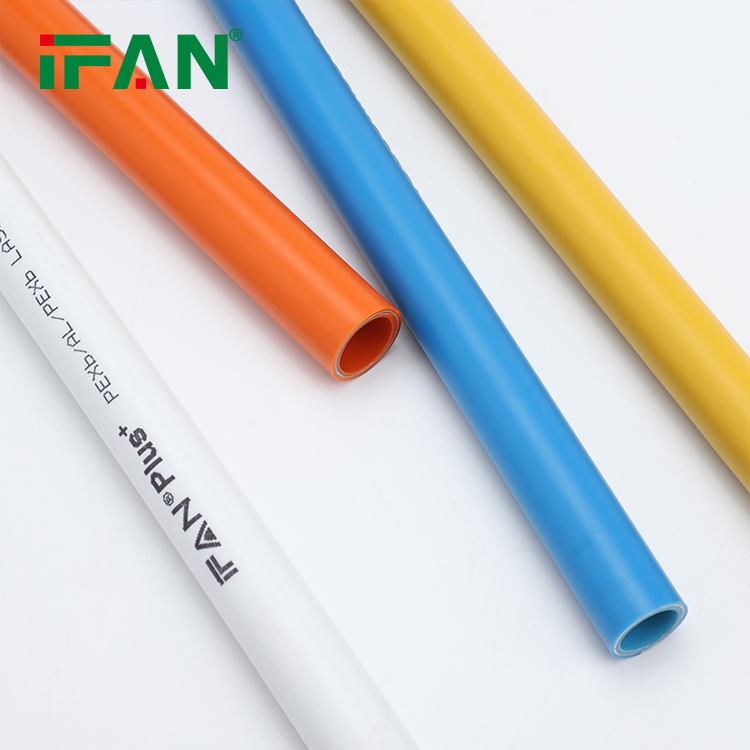
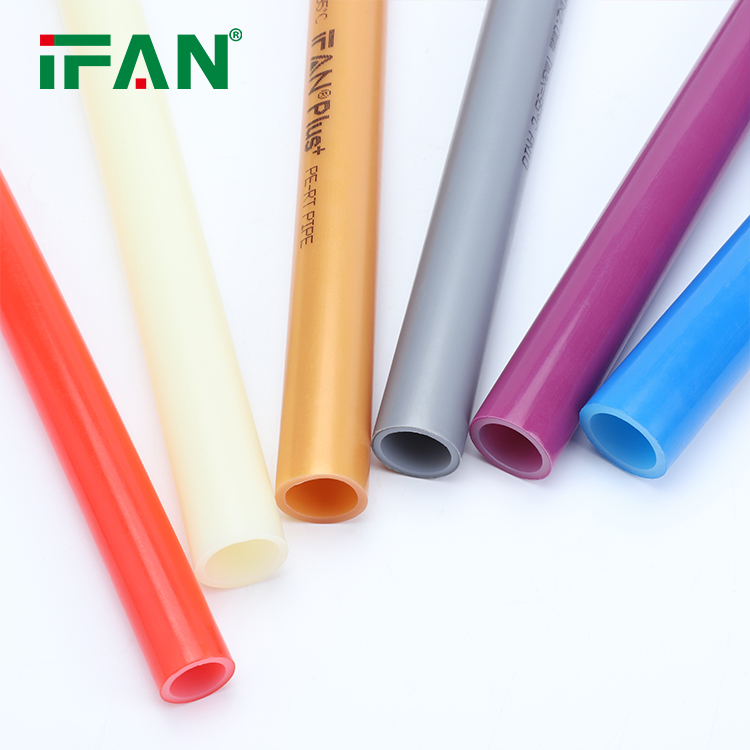
PEX-a, PEX-b, and PEX-c all meet ASTM F876, but they behave differently. PEX-a is the most flexible and can be heat-repaired after a kink. PEX-b is stiffer but has strong inherent chlorine resistance. If your installers use expansion fittings, you need PEX-a. If they crimp, PEX-b may suit better. A supplier who quotes one “PEX” price for everything isn’t helping you choose—they’re asking you to guess .
Fifth, ask what happens when a batch fails
Every factory has rejects. The question is whether they have records. Ask for QC checkpoints: raw material intake certificates, in-process dimensional checks, final pressure test logs . A manufacturer with a functioning system produces these without scrambling. One that can’t is either too small to have a system or too disorganized to trust with a container.
A note on IFAN’s position
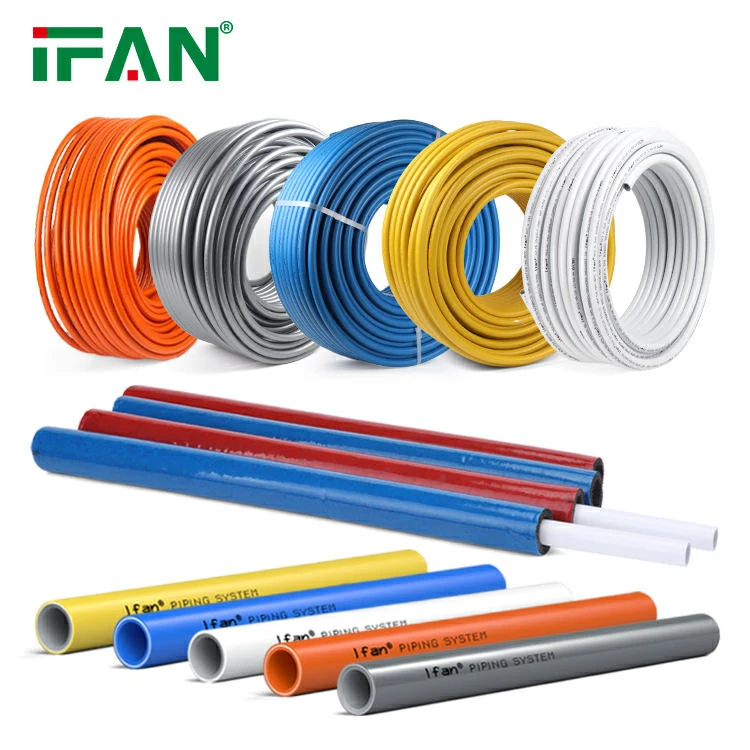
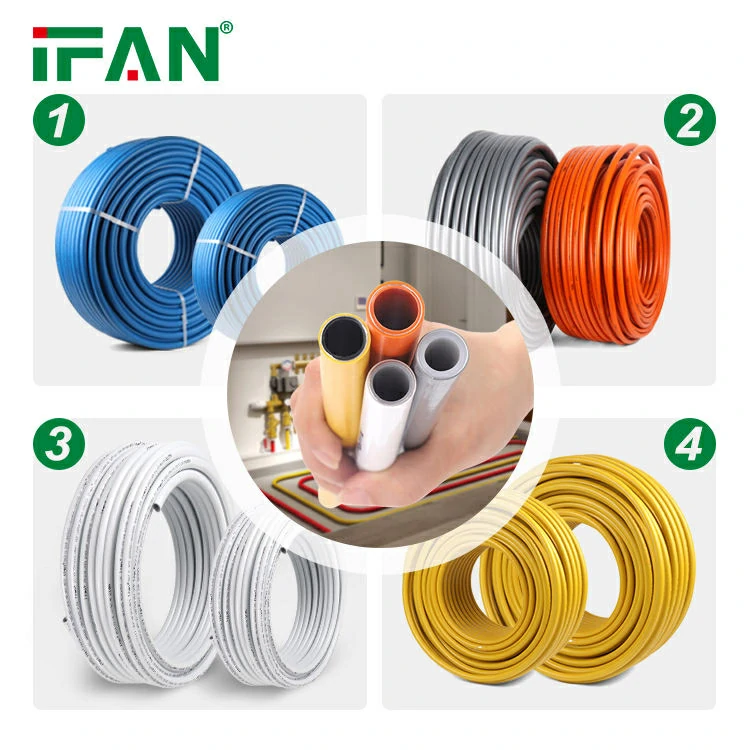
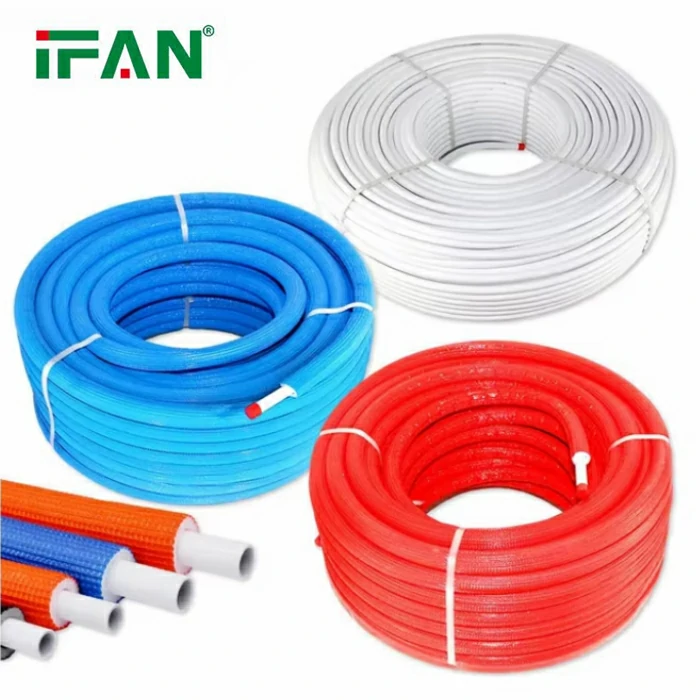
For buyers running these checks, IFAN’s setup is straightforward: production runs in-house in Zhuji, from raw material through extrusion, which means the print-line markings and lot traceability that make a retained sample meaningful are controlled at the source. Certificates are in the company’s own name, and the numbers are meant to be checked. The samples come from running production, not a showcase coil. That’s not a sales pitch—it’s the baseline any serious factory should meet, and the checks above are how you confirm it.
The short version
Verify the certificate number yourself. Read the quote for the specs it omits. Ask for a live video walk on short notice. Match the PEX type to your install method. Ask for QC records. None of this requires a factory visit or a compliance officer. It requires five minutes on a database and a supplier who doesn’t flinch when you ask.