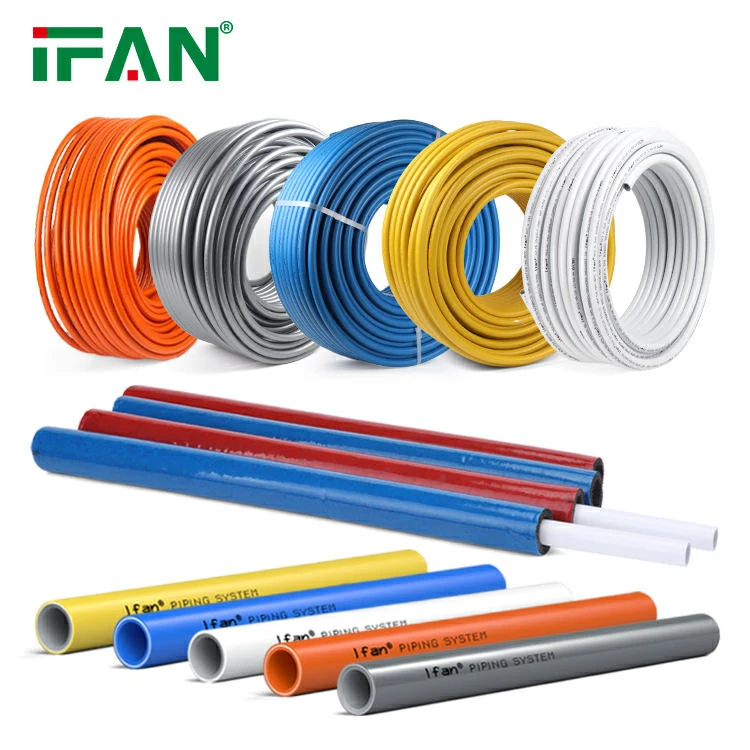
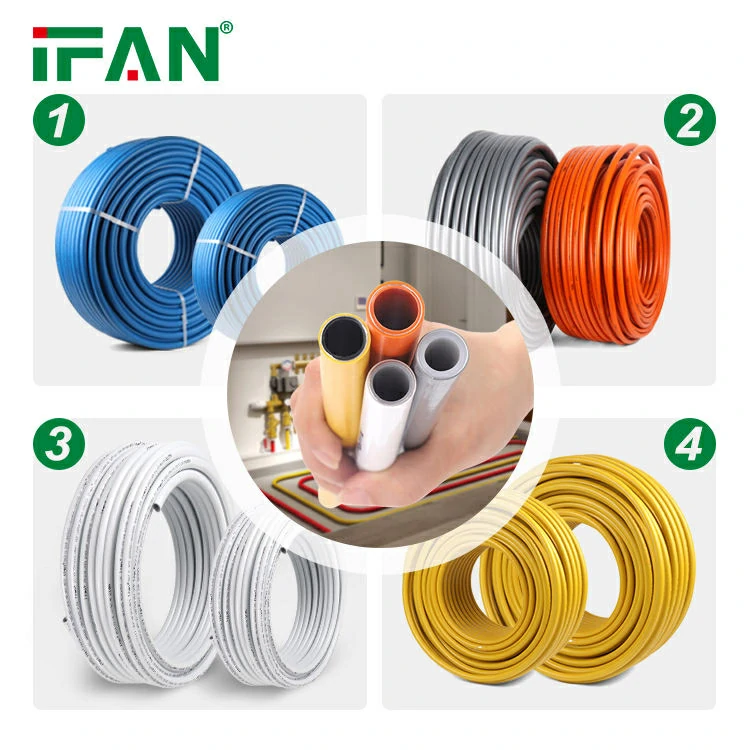
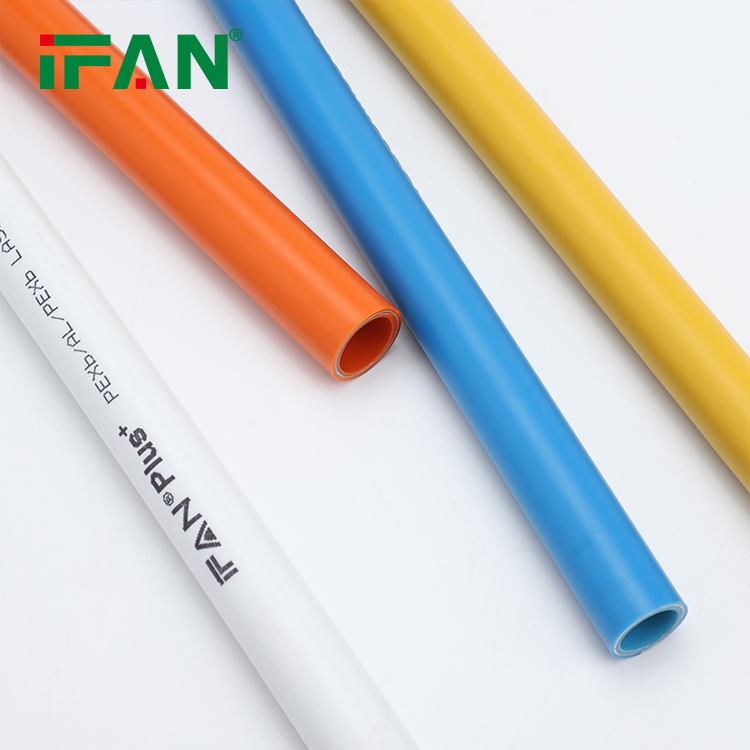
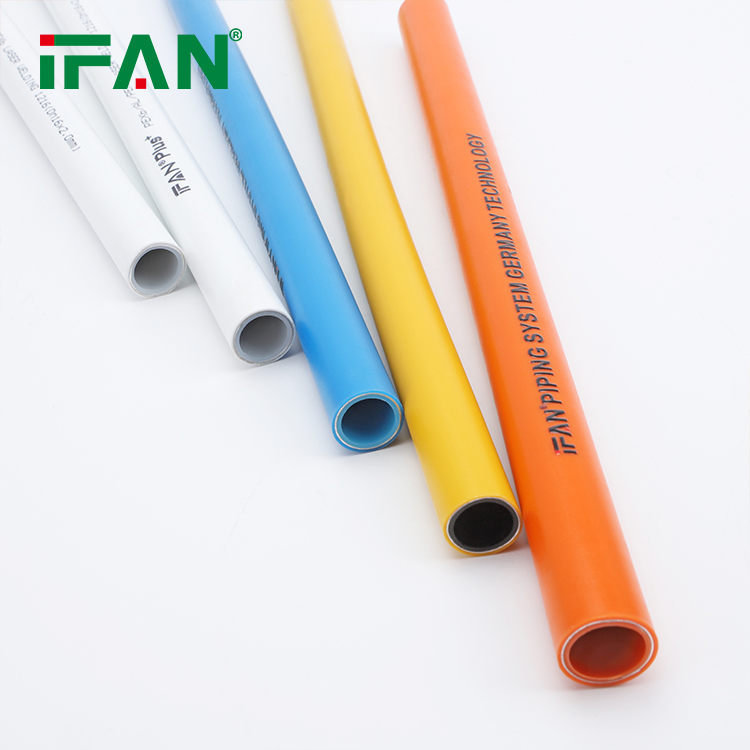
Ordering PEX by the container is different from ordering fittings by the box. The pipe arrives in coils, the coils have dimensions that determine how many fit on a pallet and in a container, and the packaging either protects the pipe through a month at sea or leaves you with scuffed, crushed product that customers won’t accept. Here’s what actually matters when you’re planning a shipment.
Coil lengths are not universal
Walk through any PEX catalog and you’ll see the same sizes offered in a confusing spread of coil lengths. A 1/2-inch pipe might come in 100-foot, 250-foot, 300-foot, 500-foot, or even 1,000-foot coils from the same manufacturer . For metric markets, 50-meter and 100-meter coils are common, with some suppliers offering 200-meter options .
The reason isn’t arbitrary. Coil length affects handling on site. A 1,000-foot coil of 1/2-inch pipe weighs around 49 pounds and has a coil width of over 11 inches . That’s manageable on a reel but awkward for an installer working alone in a tight residential space. A 300-foot coil is easier to carry, easier to unroll, and generates less waste on smaller jobs. For larger commercial pours, the longer coils reduce the number of connections and the amount of scrap.
Ask your supplier which coil lengths they actually stock versus which ones they can “arrange.” The difference often shows up in lead time and price stability.
Packaging: what good looks like
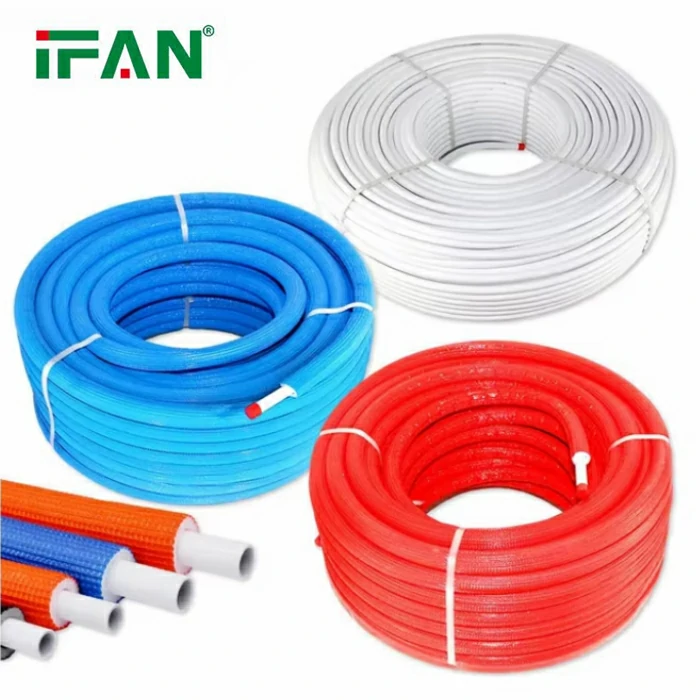
PEX is not fragile, but it is vulnerable to two things during transit: UV exposure and abrasion. A quality supplier wraps coils in UV-resistant material—often black or opaque plastic—and adds an outer layer of shrink film to keep dust and debris off the pipe surface . The wrap should allow the pipe to be pulled from the center of the coil without the packaging collapsing.
For export shipments, boxed coils survive stacking far better than loose ones. A boxed coil protects the pipe from scuffing against its neighbors and gives the container load a stable, stackable shape. Loose coils rub against each other in transit, and the resulting surface marks are the kind of thing a customer notices on arrival . If the supplier only offers loose coils, ask about a bundled option or at minimum a heavier wrap.
Pallet configuration drives container math
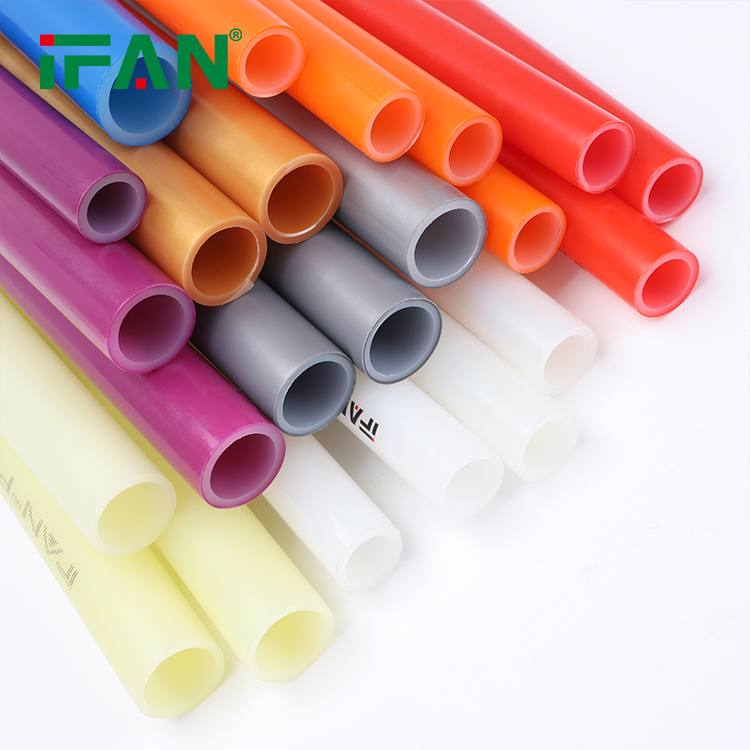
The number of coils per pallet varies by size and coil length, and this is where container planning gets concrete. A major US supplier lists 1/2-inch 100-foot coils at 25 per pallet on a 30-inch by 30-inch pallet. The same size in 1,000-foot coils drops to 5 per pallet, and the pallet footprint grows slightly . For 3/4-inch pipe, 100-foot coils run 19 per pallet, while 500-foot coils drop to 4 per pallet .
These numbers matter because pallet height and weight determine how many pallets fit in a 20-foot or 40-foot container. A container load of short coils will cube out differently than a load of long coils, even if the total meterage is identical. If you’re mixing sizes in one container—which most first orders do—the pallet configuration for each size affects the overall load plan.
For metric pipe, the math shifts. A Chinese supplier’s 16mm PEX-AL-PEX lists 100-meter coils at 115 kg per roll with a volume of 0.065 CBM . That volume figure is what you need for container loading calculations, not just the weight.
The mixed container question
Most factories will combine several sizes into one container to help a new buyer test the market, though the minimum order per size still applies—typically around 3,000 to 5,000 meters for Chinese PEX production . The practical implication is that you don’t need to commit a full container to a single SKU. But you do need to plan the pallet layout so the load is balanced and the heavier items sit at the bottom.
A note on IFAN’s setup
For buyers working with IFAN, the coil and packaging specifications are part of the quotation rather than an afterthought. IFAN ships PEX in standard coil lengths with protective wrapping, and the factory can confirm pallet quantities and container load plans for mixed orders before the deposit moves. The point isn’t that every shipment looks identical—it’s that the coil dimensions and packaging are specified in writing, so the container you receive matches the one you planned for.
What to put in the purchase order
Specify the coil length and the unit (feet or meters). Specify the packaging: UV-resistant wrap, shrink film, boxed or bundled. Ask for the pallet quantity and pallet dimensions for each size in the order. Request the total CBM for the shipment, not just the weight. And if the order is mixed, ask for a loading plan showing how the pallets fit in the container. None of this is unusual. It’s simply the difference between a container that arrives as planned and one that arrives as a surprise.