The Role of Thread Sealants in Leak Prevention
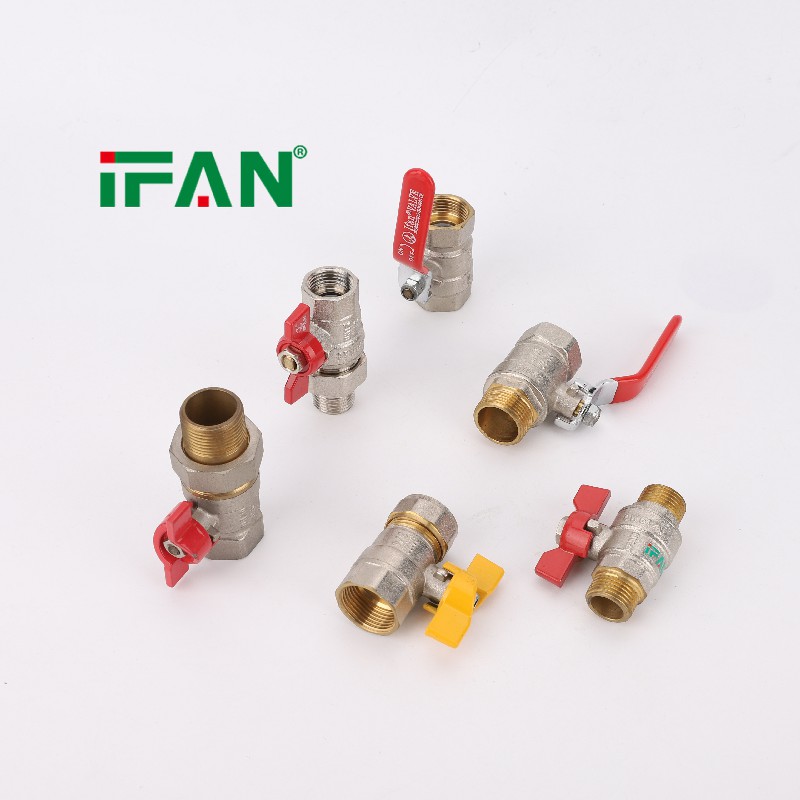
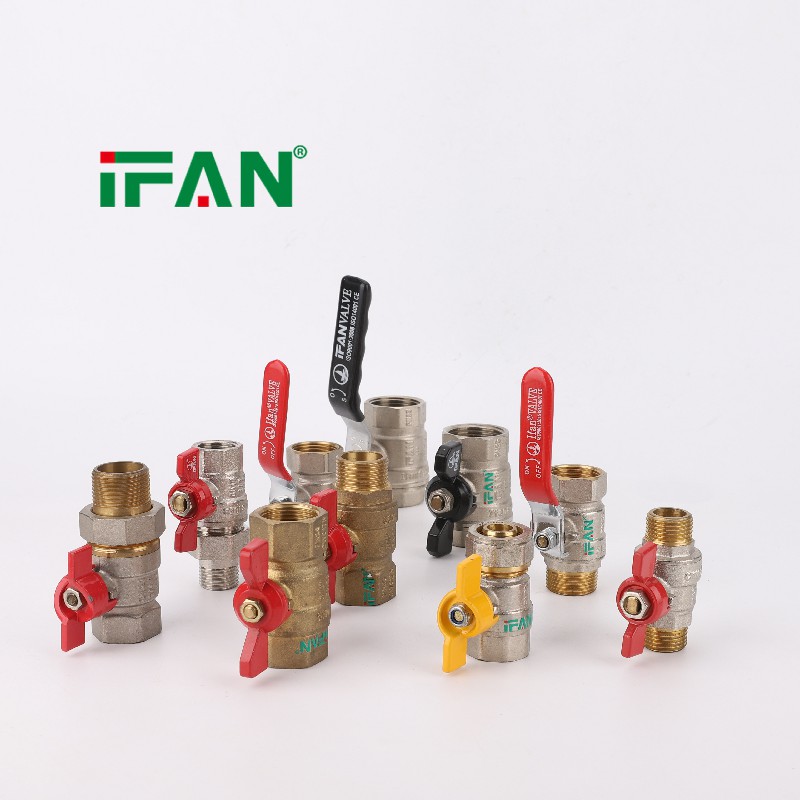
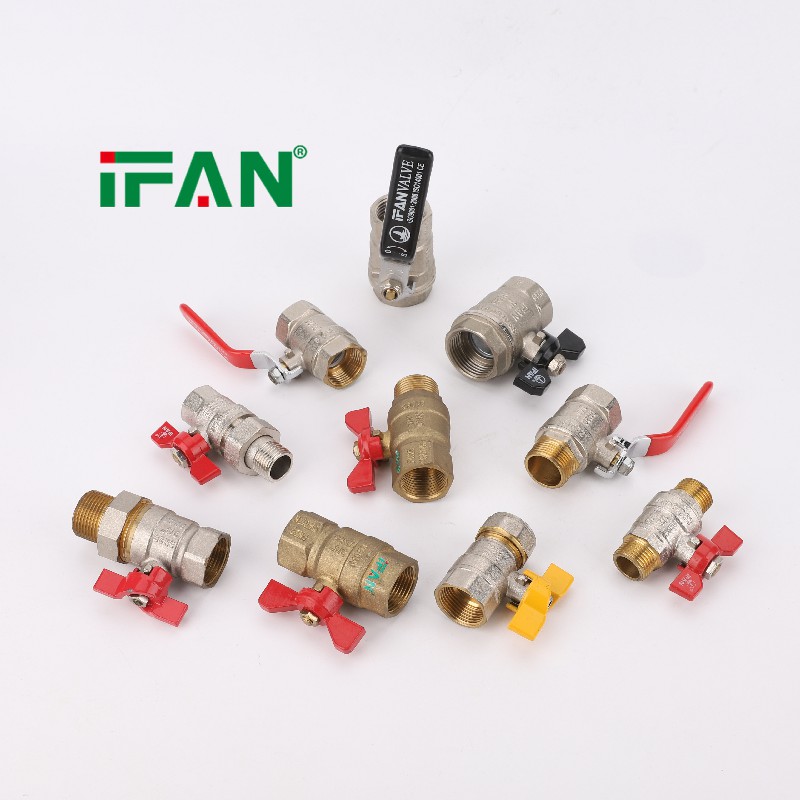
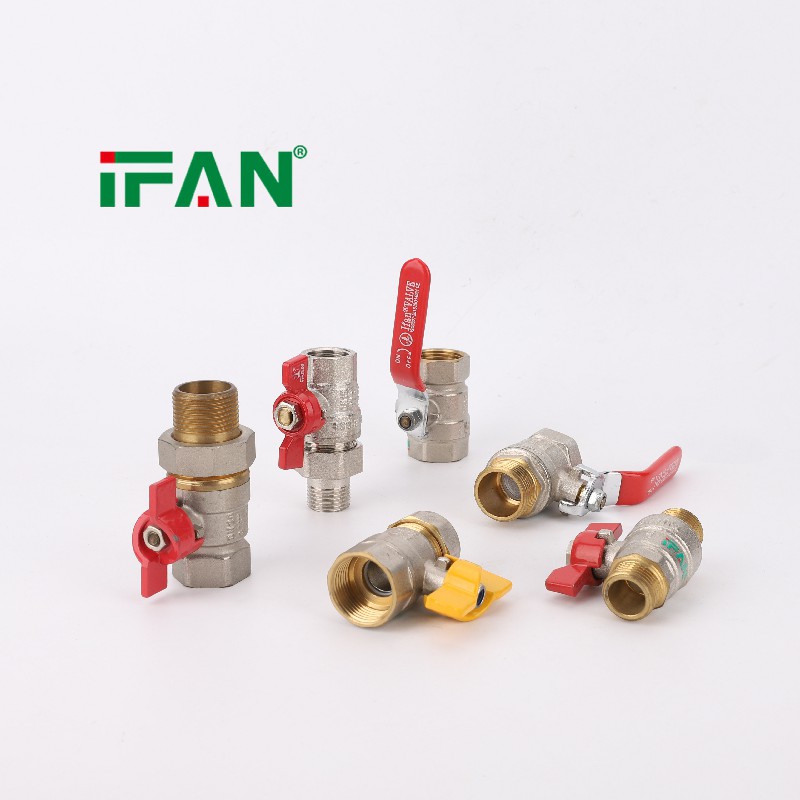
Threaded connections are the most common method for joining brass ball valves to piping networks. However, the threads themselves do not create a watertight seal. The spiral gap between the male and female threads provides a path for fluid to escape under pressure. To close this path, a thread sealant is required. Two of the most widely used options are PTFE (polytetrafluoroethylene) tape and liquid pipe sealant. Both serve the same fundamental purpose, yet they behave differently during installation and over the life of the system. Understanding these differences is essential for contractors and installers working with IFAN Brass Ball Valves.
How PTFE Tape Works Under Pressure
PTFE tape, often referred to as Teflon tape, is a thin, white, flexible film that is wrapped around the male threads before assembly. When the fitting is tightened, the tape compresses and fills the gaps between the threads, creating a physical barrier against fluid leakage.
PTFE tape is valued for its low friction coefficient, which lubricates the threads as the valve is tightened. This reduces the risk of galling or seizing, particularly when mating brass with stainless steel or other metals. Additionally, the tape is chemically inert, making it suitable for potable water and a wide range of industrial fluids.
However, PTFE tape requires careful application. It must be wrapped in the direction of the thread rotation (typically clockwise) and with the correct tension. Too little tape will not seal; too much can prevent the threads from engaging fully or can crack the female fitting during tightening. For IFAN Brass Ball Valves, a standard application of two to three wraps of PTFE tape is generally sufficient for a tight seal.
The Mechanics of Liquid Pipe Sealant
Liquid pipe sealant, also known as pipe dope, is a paste that is applied directly to the male threads with a brush. It cures or sets after assembly, filling the microscopic gaps in the thread profile. Many pipe sealants are formulated with PTFE particles suspended in a carrier fluid, offering the lubricating benefits of tape in a more convenient form.
Pipe sealant is highly effective at sealing small imperfections in the threads. It does not unravel or shred during assembly, and it can bridge minor scratches on the thread surface. This makes it a reliable choice for older or slightly worn fittings. Some pipe sealants are also formulated for specific applications, such as high-temperature systems or gas lines, where standard PTFE tape may not be suitable.
The main drawback of pipe sealant is that it can be messy to apply and clean up. Excess paste can enter the valve body and contaminate the fluid, so care must be taken to apply it only to the male threads and to avoid over-application.
Comparing Performance in Brass Ball Valve Installations
When installing IFAN Brass Ball Valves in water supply systems, both PTFE tape and pipe sealant perform effectively, provided they are applied correctly. The choice often comes down to installer preference and the specific demands of the job.
For general potable water lines, PTFE tape is the most common choice due to its cleanliness, low cost, and ease of use. It is also easy to remove and reapply if the valve needs to be repositioned.
For applications involving higher pressures, thermal cycling, or slight thread imperfections, liquid pipe sealant often provides a more robust and forgiving seal. It is also less likely to cause thread damage during tightening because its lubricating properties are typically more consistent than tape. In some industrial specifications, pipe sealant is the mandated method for critical connections.
Best Practices for Thread Preparation
Regardless of which sealant is chosen, proper thread preparation is essential. The male and female threads should be clean, dry, and free of burrs or debris before application. Any residual old tape or sealant must be removed.
When using PTFE tape, apply it in the direction of the thread pitch and avoid covering the first thread to prevent tape fragments from entering the valve. When using pipe sealant, apply an even coating to the male threads and tighten the connection to the manufacturer’s recommended torque. Both methods should leave a small amount of excess sealant visible at the base of the joint after tightening, confirming that the threads are fully engaged. IFAN provides technical documentation and samples to help installers verify the proper thread specifications and sealing methods for each valve model.