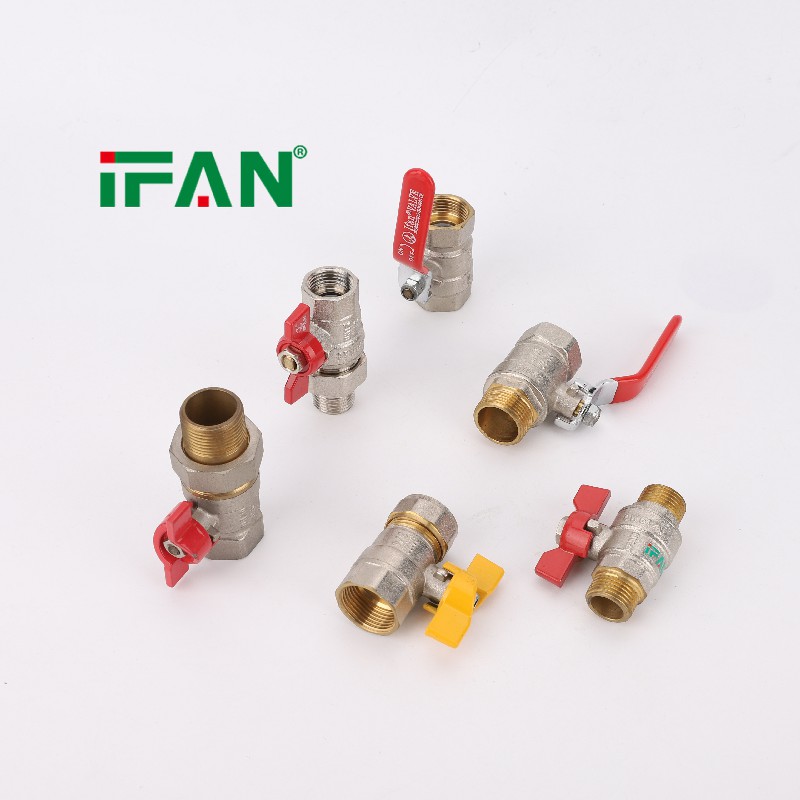
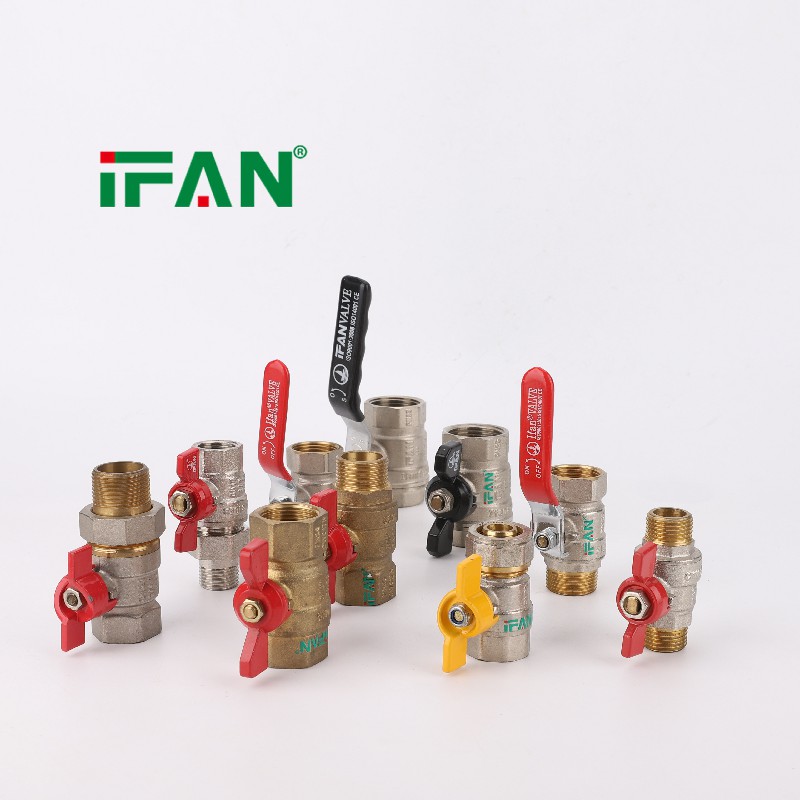
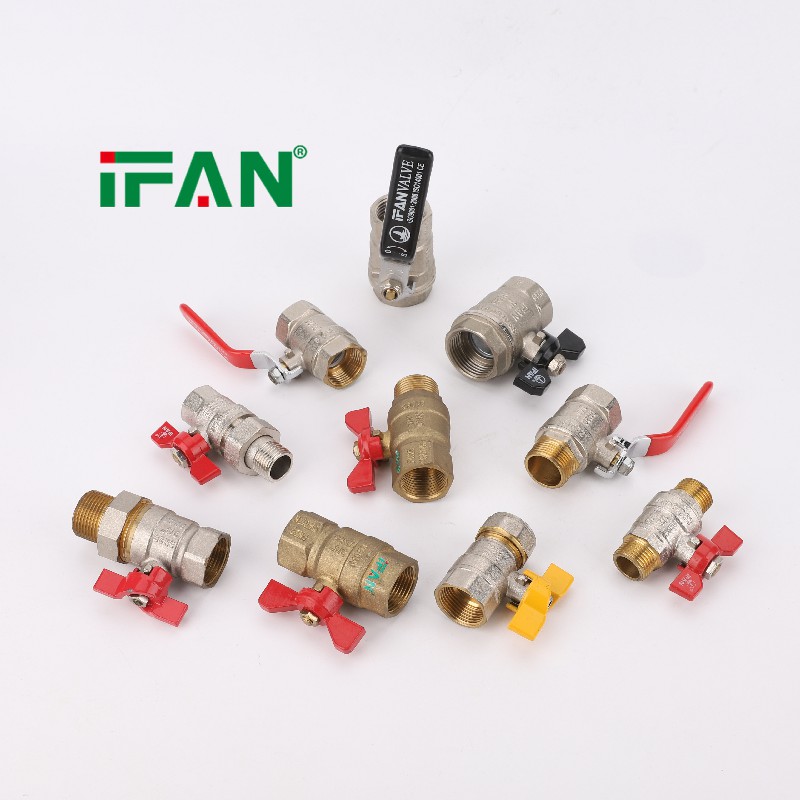
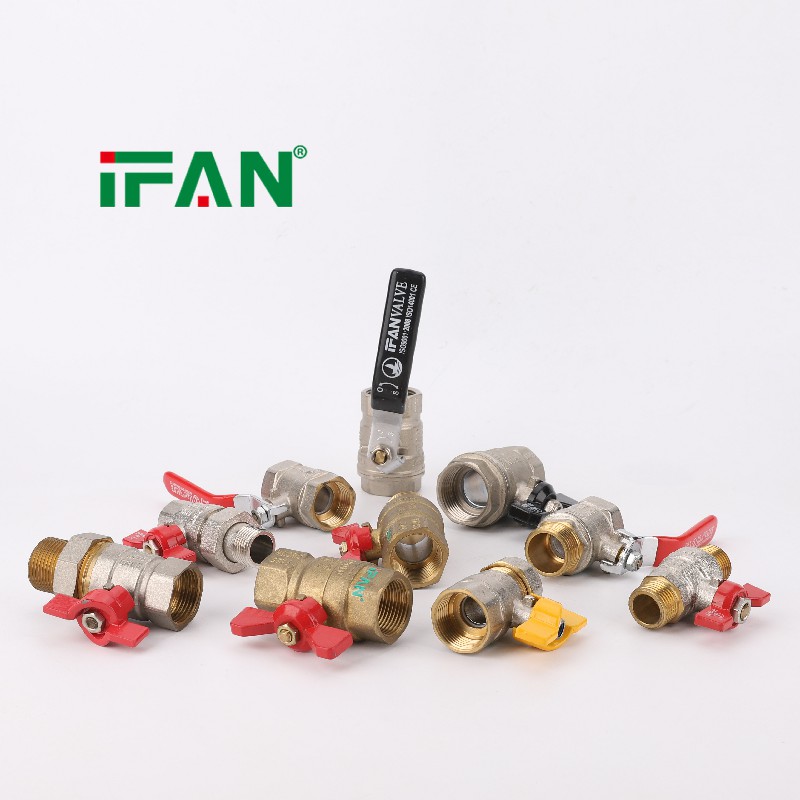
The Critical Role of Temperature in Valve Performance
Selecting a brass ball valve based solely on pipe diameter and pressure rating is a common oversight that can lead to premature failure. Temperature is an equally decisive factor. As fluids heat up or cool down, the materials within the valve—specifically the brass body, the PTFE seats, and the elastomeric O-rings—react differently. Thermal expansion, material softening, and accelerated wear are all consequences of operating outside a valve’s designed temperature range. Understanding how to evaluate and select IFAN Brass Ball Valves based on temperature ratings ensures long-term reliability and safety across various plumbing and industrial applications.
Understanding the Thermal Limits of Internal Components
The temperature rating of a valve is not determined by the brass body alone. Brass is a robust metal with a melting point far exceeding typical plumbing requirements. The actual bottleneck in thermal performance is almost always the soft components: the valve seats and the stem seals.
IFAN Brass Ball Valves typically utilize PTFE (Polytetrafluoroethylene) for the ball seats. PTFE is chosen for its low friction and chemical resistance, and it can generally handle continuous operating temperatures up to approximately 200°C (392°F) depending on the specific grade. However, the elastomeric O-rings used to seal the stem have much lower temperature limits. Standard EPDM or NBR O-rings are typically rated for continuous service well below the boiling point of water. When specifying a valve for hot water or heating systems, it is essential to confirm that the internal seals are matched to the operating temperature.
Assessing System Requirements and Safety Margins
Before selecting a valve, engineers and contractors must determine the maximum continuous operating temperature of the fluid, as well as any potential temperature spikes. A valve should never be specified to run at its absolute maximum rating continuously. Applying a safety margin—typically 10% to 20% below the maximum rated temperature—is a standard engineering practice.
For domestic hot water systems, which typically operate below 60°C, standard IFAN Brass Ball Valves are more than sufficient. However, for hydronic heating systems, solar thermal loops, or industrial processes where temperatures can exceed 90°C, buyers must verify that the PTFE seats and stem seals are rated for these higher thermal loads. Running a standard valve in a high-temperature system can cause the seats to deform, leading to a loss of the pressure-assisted seal and eventual leaks.
The Impact of Temperature on Pressure Ratings
It is a fundamental principle of valve engineering that a valve’s pressure rating decreases as the temperature increases. A valve rated for 600 PSI at room temperature may only be rated for 150 PSI at 100°C. This derating occurs because the tensile strength of the brass decreases slightly with heat, and the soft sealing materials become more pliable, reducing their ability to contain high pressure.
When selecting IFAN Brass Ball Valves, buyers should consult the pressure-temperature (P-T) rating chart provided by IFAN. This chart illustrates the safe operating envelope for the valve, allowing specifiers to ensure that the valve can handle the system’s pressure at its maximum operating temperature, not just at ambient conditions.
Application-Specific Selection
Different applications demand different thermal considerations. In chilled water systems, the concern is not heat degradation, but rather the potential for condensation and freezing, which may require specific material choices for the stem seals. In steam systems, the temperature is high enough that specialized high-temperature seats and packing are mandatory, and standard brass ball valves are generally not recommended.
For most hot and cold potable water applications, IFAN’s standard range of brass ball valves provides a reliable solution. For specialized high-temperature applications, buyers should confirm the specific material specifications of the seats and seals. IFAN provides technical data to assist in this selection process and offers samples for evaluation, allowing engineers to verify the construction and material quality firsthand. By carefully matching the valve’s temperature rating to the system’s actual conditions, buyers ensure a durable and leak-free installation.