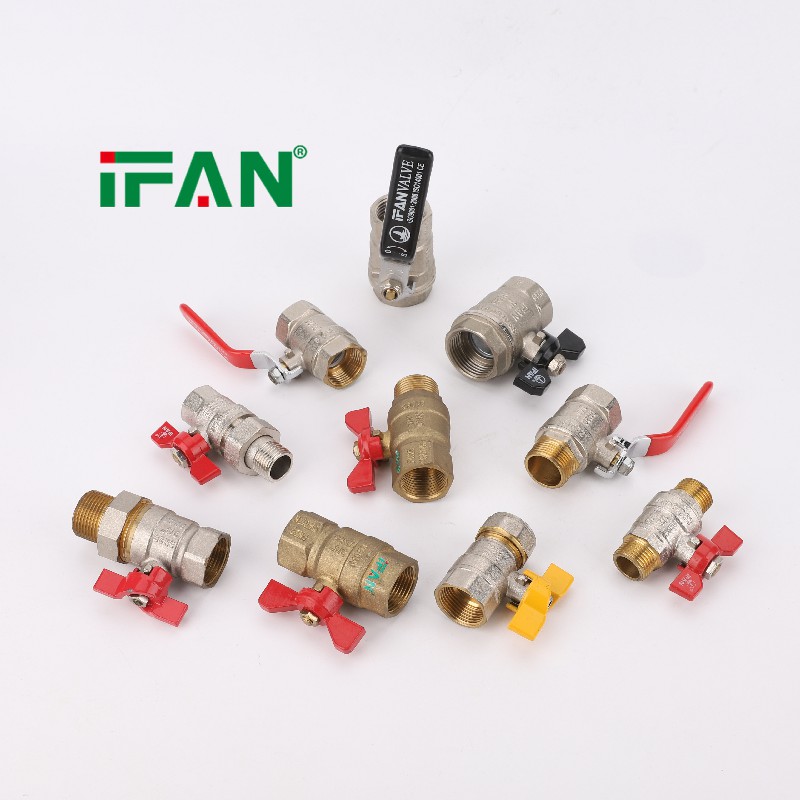
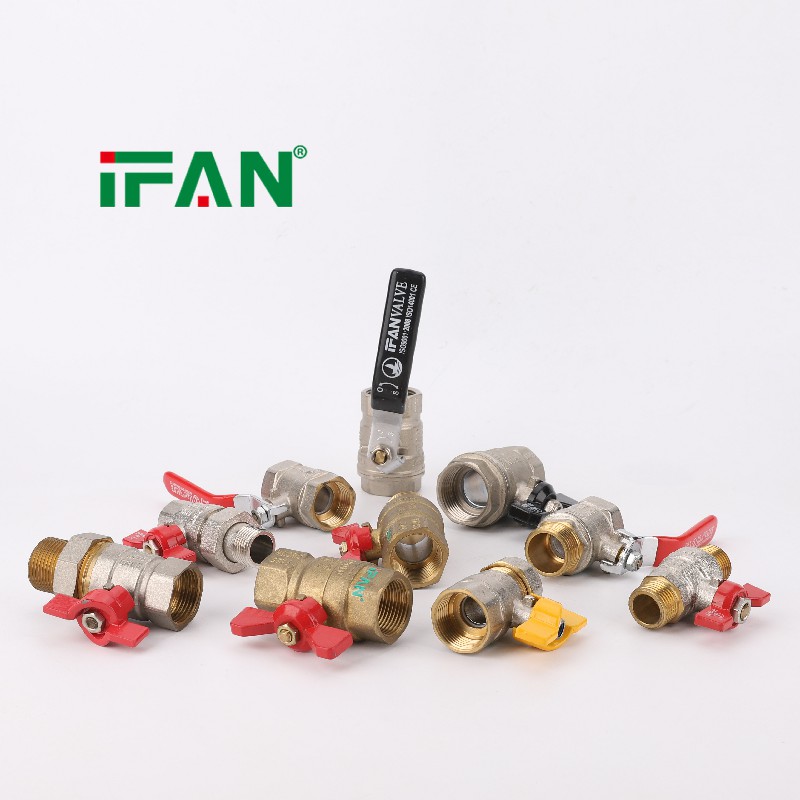
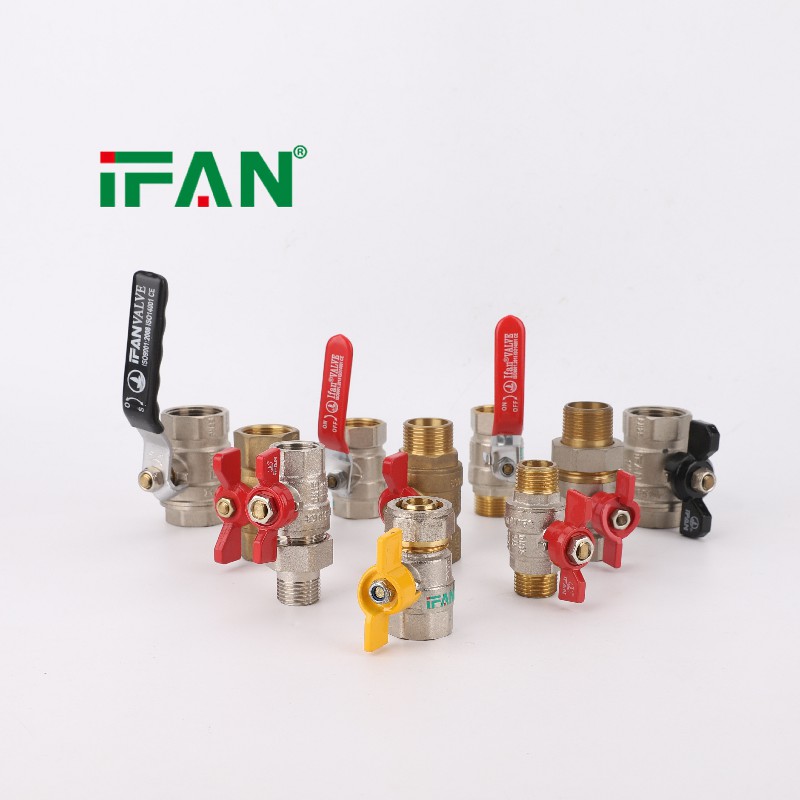
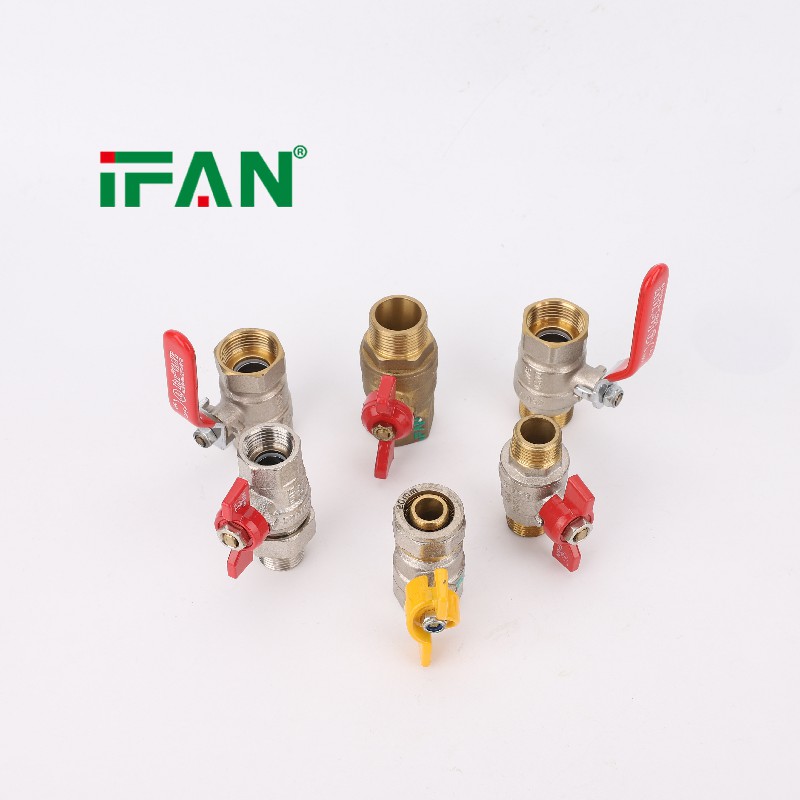
Why Compressed Air Demands a Different Valve Approach
Compressed air systems present unique challenges that differ significantly from water plumbing. The fluid is highly compressible, meaning pressure surges and rapid changes in flow are common. Additionally, compressed air often contains trace amounts of oil, moisture, and particulate matter that can wear down valve components. Selecting a valve that can handle these conditions without leaking or seizing is critical for system safety and efficiency. IFAN Brass Ball Valves are engineered to meet the specific demands of compressed air networks, providing reliable isolation and flow control in industrial workshops, manufacturing plants, and pneumatic control systems.
Structural Integrity Under Pneumatic Pressure
The pressure ratings for compressed air systems can vary widely, from low-pressure pneumatic tools to high-pressure industrial compressors. The valve body must be capable of containing these pressures without deformation. IFAN manufactures its brass ball valves using robust construction methods—including forged options for high-pressure lines—to ensure the body can withstand pressure spikes and continuous cyclic loading.
Unlike water, air can expand rapidly if a seal fails, making the integrity of the valve body and connections paramount. The precisely machined threads on IFAN valves ensure a tight, secure fit with standard pipe connections, minimizing the risk of air leaks at the joints. Because compressed air leaks are a major source of energy waste in industrial facilities, having reliable valves is an economic necessity as well as a safety requirement.
Sealing Mechanisms for Gaseous Fluids
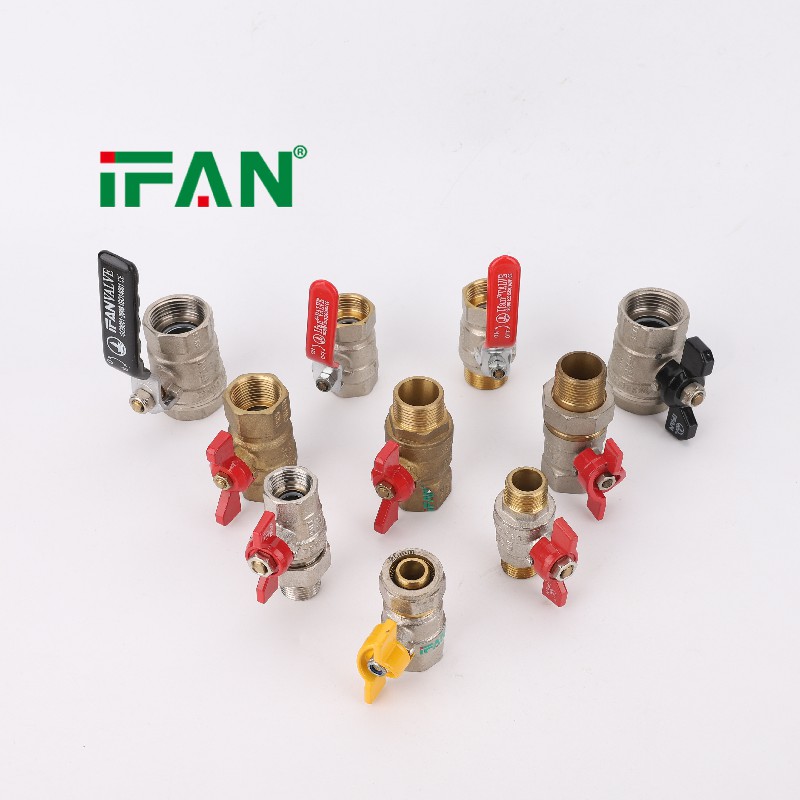
Sealing air is fundamentally different from sealing water. Air molecules are much smaller, which means the sealing surfaces must be flawless. Any microscopic gap in the valve seat will result in a continuous, high-pitched leak. IFAN Brass Ball Valves utilize high-quality PTFE seats that conform tightly to the polished surface of the ball. The pressure-assisted design of the seats means that as air pressure increases, the ball is pushed more firmly against the downstream seat, enhancing the seal.
Furthermore, the stem assembly is designed with multiple O-rings to prevent air from escaping along the axis of rotation. This redundant sealing approach is critical in pneumatic systems, where even a minor leak can lead to pressure drops that affect the performance of downstream equipment.
Operation in Harsh Industrial Environments
Compressed air systems often operate in environments where vibration, temperature fluctuations, and contamination are present. The ball and stem assembly in IFAN Brass Ball Valves is designed for smooth, low-torque operation. This allows operators to open and close the valve quickly without excessive force, even after extended periods in a single position.
The smooth chrome-plated exterior—featured on many IFAN models—provides an additional layer of protection against industrial contaminants and moisture. This surface treatment also makes the valves easy to clean and inspect, which is important in facilities with strict maintenance schedules. The internal components, including the PTFE seats and O-rings, are selected for their resistance to the oils and lubricants commonly found in compressed air lines.
What to Verify Before Selecting Compressed Air Valves
Not all brass ball valves are rated for compressed air service. Buyers must verify that the valve’s pressure rating (often expressed as WOG or CWP) meets or exceeds the system’s maximum operating pressure, accounting for potential surges. It is also important to confirm that the valve is rated for gas service, as some valves designed strictly for liquids may not perform reliably with compressible fluids.
IFAN offers samples for evaluation, allowing maintenance engineers and procurement managers to inspect the body construction, thread quality, and sealing mechanism firsthand. For compressed air systems that require dependable isolation and minimal energy loss from leaks, IFAN Brass Ball Valves provide a practical and reliable solution.