The First Line of Defense Against Leaks
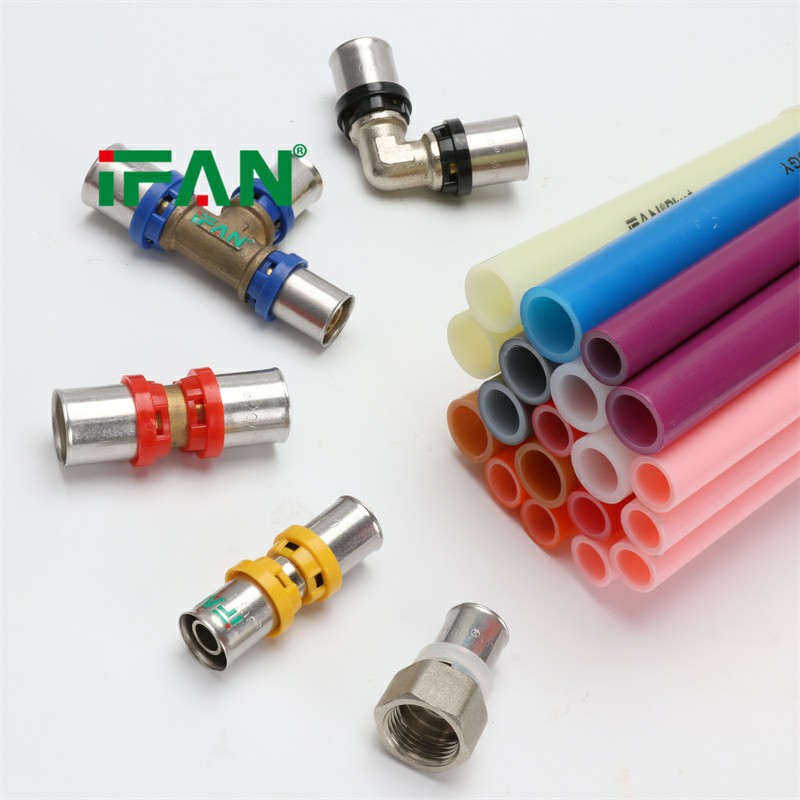
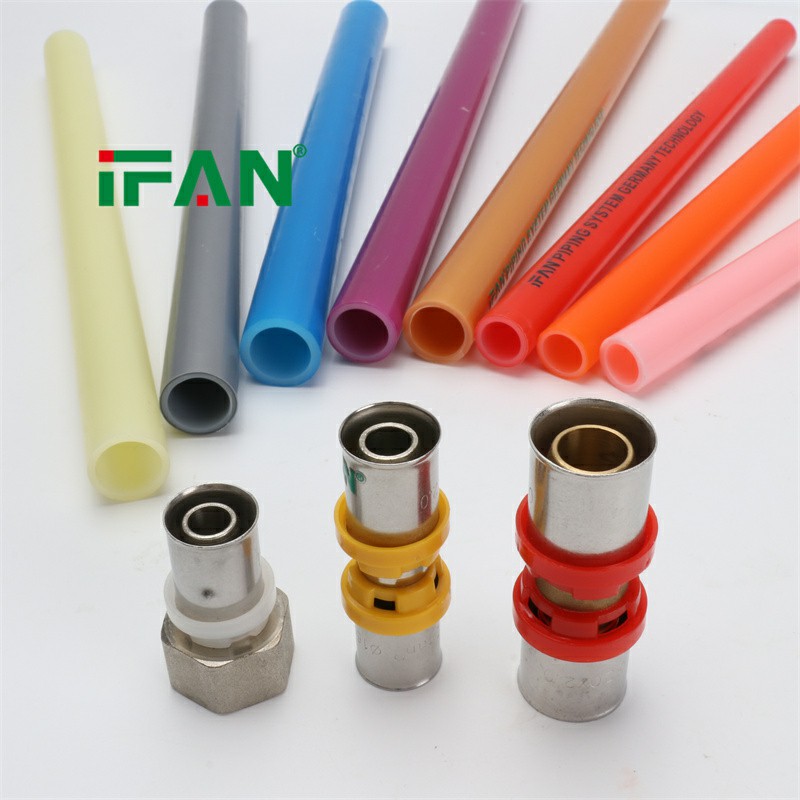
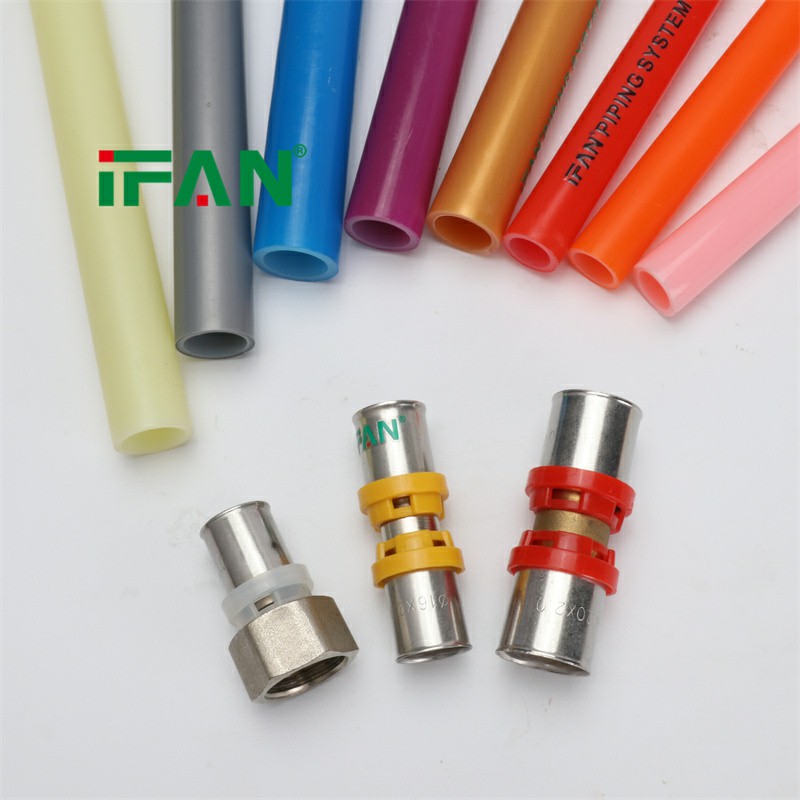
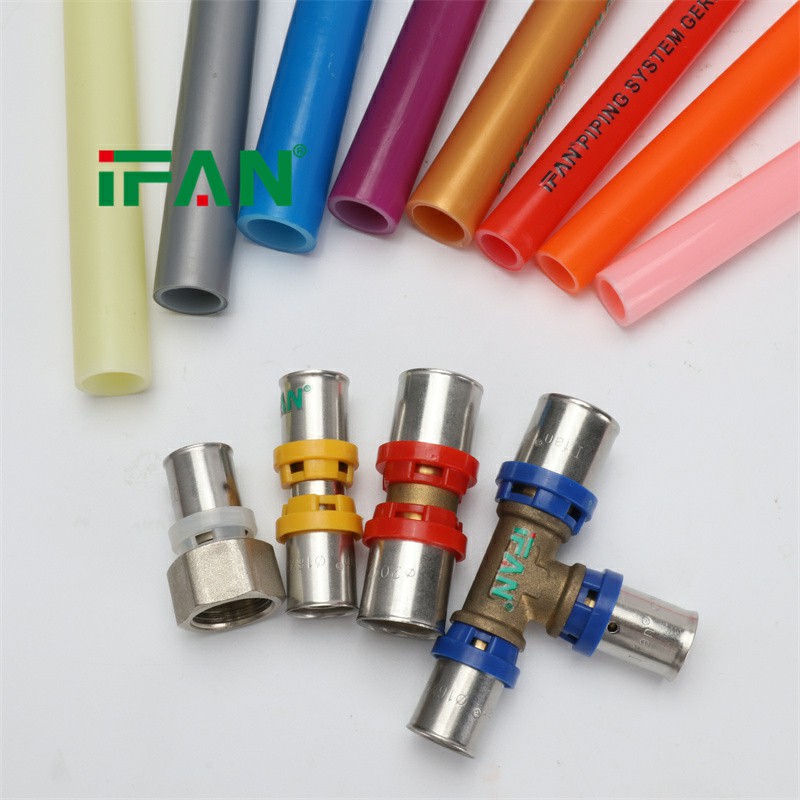
In the architecture of a PEX press fitting, the stainless steel sleeve provides the mechanical grip, but the O-ring is the component responsible for the actual watertight seal. Without a perfectly functioning O-ring, pressurized water would easily bypass the mechanical connection. This small, elastomeric ring is subjected to constant pressure, thermal fluctuations, and chemical exposure. Understanding how O-ring sealing technology works in IFAN PEX Press Fittings reveals why these components are engineered to deliver a permanent, maintenance-free barrier against fluid loss in plumbing and heating systems.
Material Science for Long-Term Durability
The performance of an O-ring is entirely dependent on its material composition. Different fluids and temperatures demand different elastomers. IFAN selects high-quality EPDM (Ethylene Propylene Diene Monomer) rubber for its standard PEX press fittings.
EPDM is specifically chosen for its exceptional resistance to hot and cold water, as well as its ability to withstand the chemicals commonly found in potable water systems. Unlike cheaper materials that might harden, crack, or swell over time, EPDM maintains its elasticity and compressive strength. This resilience ensures that the O-ring continues to press firmly against both the PEX pipe and the brass fitting body, creating a reliable seal even after decades of continuous service.
Compression and the Sealing Mechanism
The sealing action of an O-ring is based on controlled compression. When the PEX pipe is inserted into the fitting, it slides over the brass body and rests against the O-ring. The O-ring sits in a precisely machined groove on the fitting body.
As the stainless steel sleeve is pressed and the PEX pipe is compressed inward, the O-ring is squeezed. This deformation is calculated. The O-ring is compressed to a specific percentage of its original thickness. This compression generates a continuous outward force against the pipe wall and inward force against the fitting body, effectively blocking the path of water. Even when the system experiences pressure spikes or water hammer, the internal pressure of the water actually helps to energize the O-ring, pushing it more firmly into the sealing gap.
Protection During Insertion and Installation
A common cause of seal failure in mechanical fittings is damage to the O-ring during installation. If the edge of the PEX pipe is sharp or burred, it can score or cut the O-ring as it slides into place.
IFAN addresses this through careful design and manufacturing tolerances. The internal geometry of the fitting helps guide the pipe smoothly over the O-ring, while the O-ring itself is seated in a protective groove that prevents it from rolling or being dislodged during insertion. However, proper pipe preparation remains essential. Installers must ensure that the PEX pipe is cut squarely and that the edges are clean to avoid compromising the integrity of the seal.
Chemical Compatibility and System Longevity
The O-ring is constantly in contact with the fluid inside the system. In hydronic heating systems, this fluid may contain inhibitors or glycols. In potable water systems, it may contain chlorine or other disinfectants.
Because IFAN utilizes high-grade EPDM for its O-rings, the material remains chemically inert to these substances. It will not degrade, leach, or impart any taste or odor to the water. This chemical stability is vital for maintaining both the mechanical integrity of the joint and the quality of the water supply.
Verification and Sourcing
When evaluating press fittings, buyers and contractors should always verify the quality of the O-ring material. A low-quality O-ring may look identical initially but can fail rapidly under thermal cycling or chemical exposure. IFAN provides samples for evaluation, allowing engineers to inspect the O-ring material, test its elasticity, and review the material specifications before committing to a large order. For systems that demand reliable, permanent sealing, the O-ring technology in IFAN PEX Press Fittings provides a critical layer of defense.