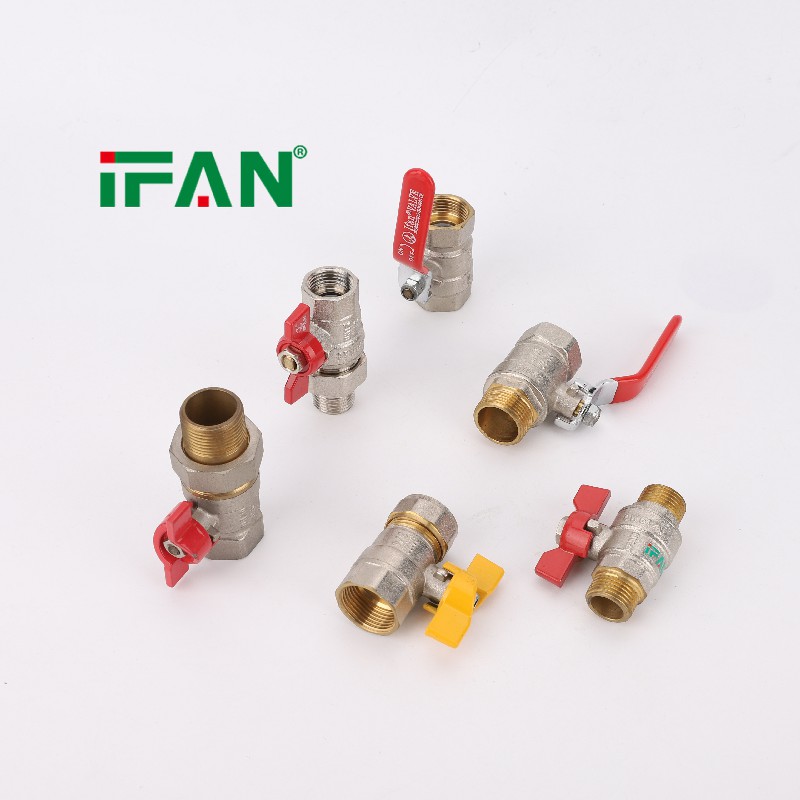
Meeting the Demands of Agricultural Fluid Control
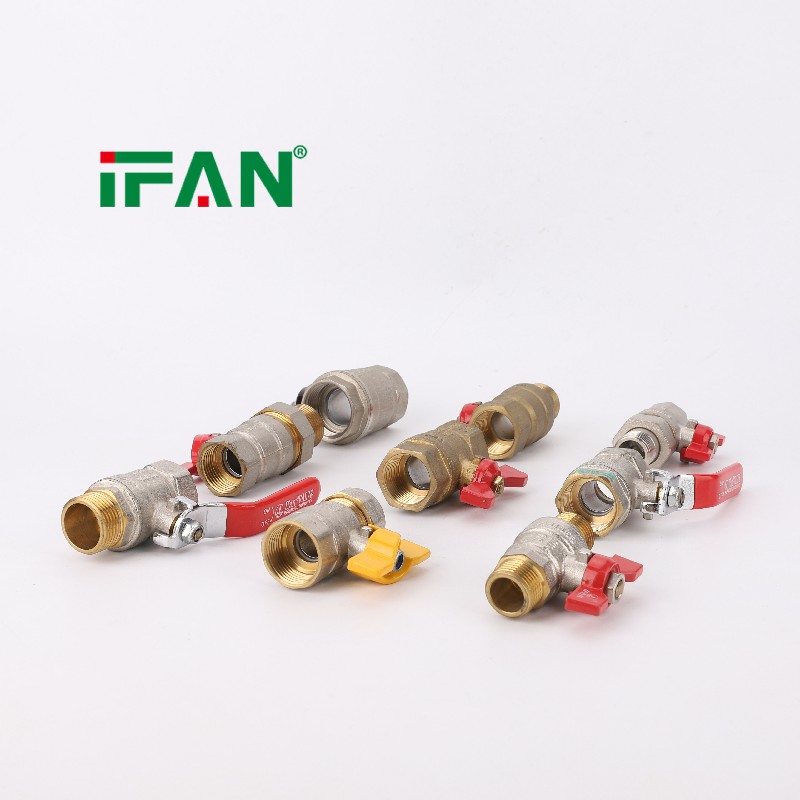
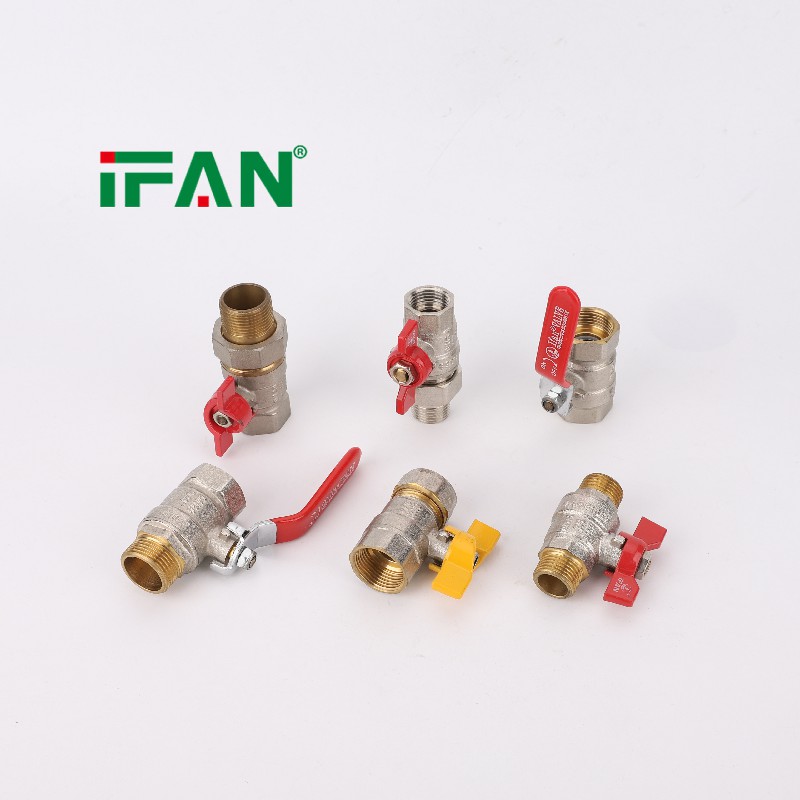
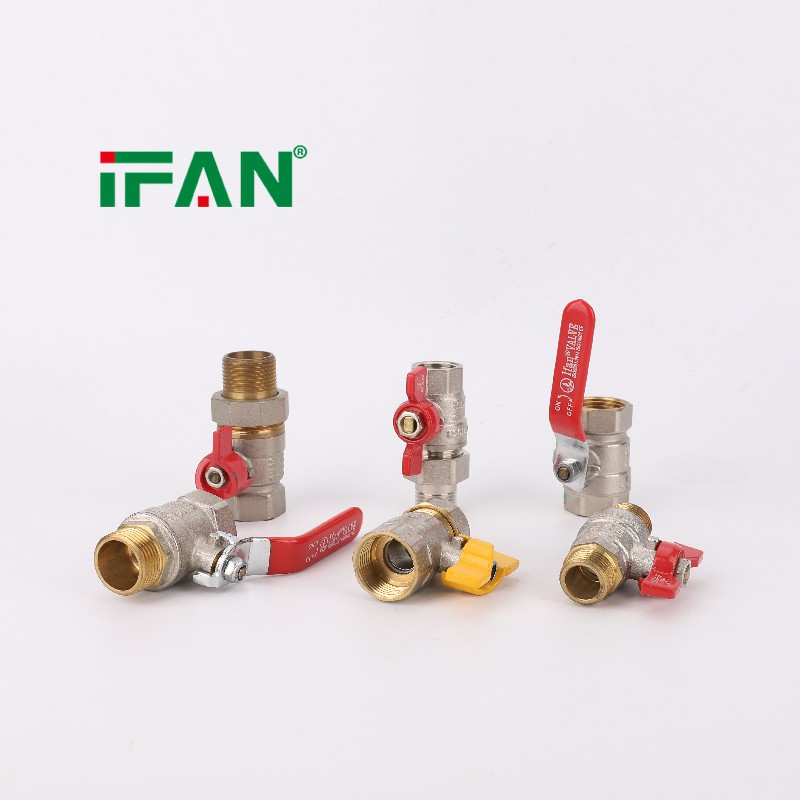
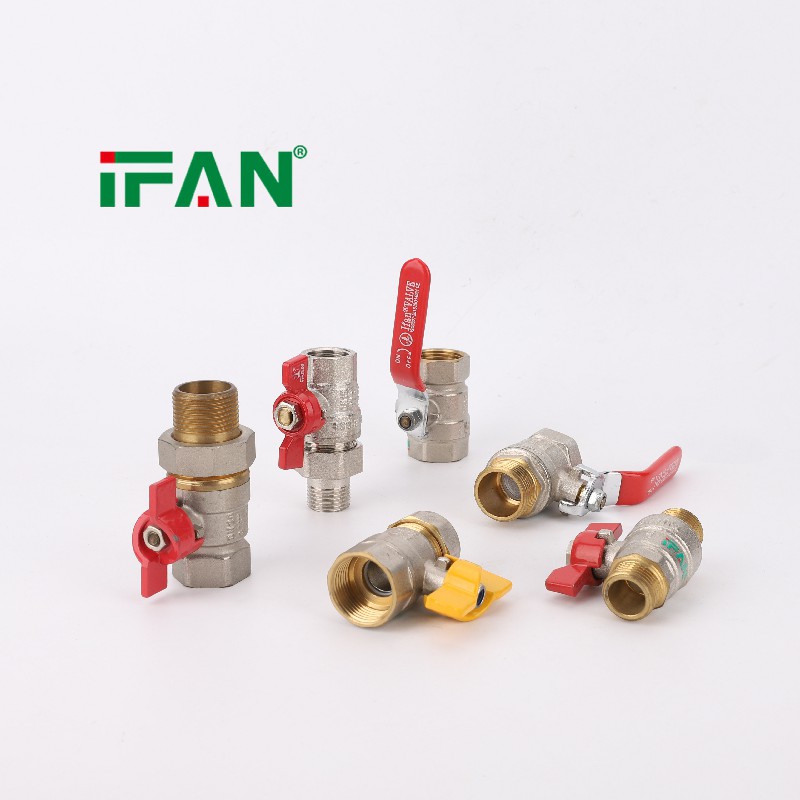
Agricultural irrigation systems operate under conditions that are far more punishing than typical residential plumbing. They face continuous exposure to the elements, highly variable water quality, and the constant need for reliable flow control across vast distances. In this environment, valves must be durable, easy to operate, and resistant to clogging. IFAN Brass Ball Valves are engineered to meet these exacting requirements. By combining robust brass construction with precision-machined internal components, these valves provide farmers and agricultural engineers with a dependable solution for managing water distribution in fields, orchards, and greenhouse operations.
Resistance to Environmental and Chemical Stress
Unlike indoor plumbing, irrigation valves are often installed in exposed locations where they are subjected to direct sunlight, temperature extremes, and moisture. The brass body of IFAN valves offers excellent resistance to atmospheric corrosion, ensuring the valve remains structurally sound season after season. Furthermore, the chrome-plated finish available on many IFAN models provides an additional barrier against environmental wear, keeping the valve operational even in harsh outdoor conditions.
Agricultural water sources—such as wells, ponds, or reclaimed water—can contain varying levels of sediment, organic matter, and agricultural chemicals. The smooth interior of the brass valve and the chemically inert PTFE seats resist degradation from these elements. This ensures that the valve does not become brittle or lose its sealing capability when exposed to fertilizers or minor chemical treatments present in the irrigation water.
Maintaining Flow Efficiency in Sediment-Heavy Water
One of the greatest challenges in irrigation systems is the presence of sediment, sand, and particulate matter. These materials can quickly wear down soft valve components or lodge in the mechanism, causing the valve to jam.
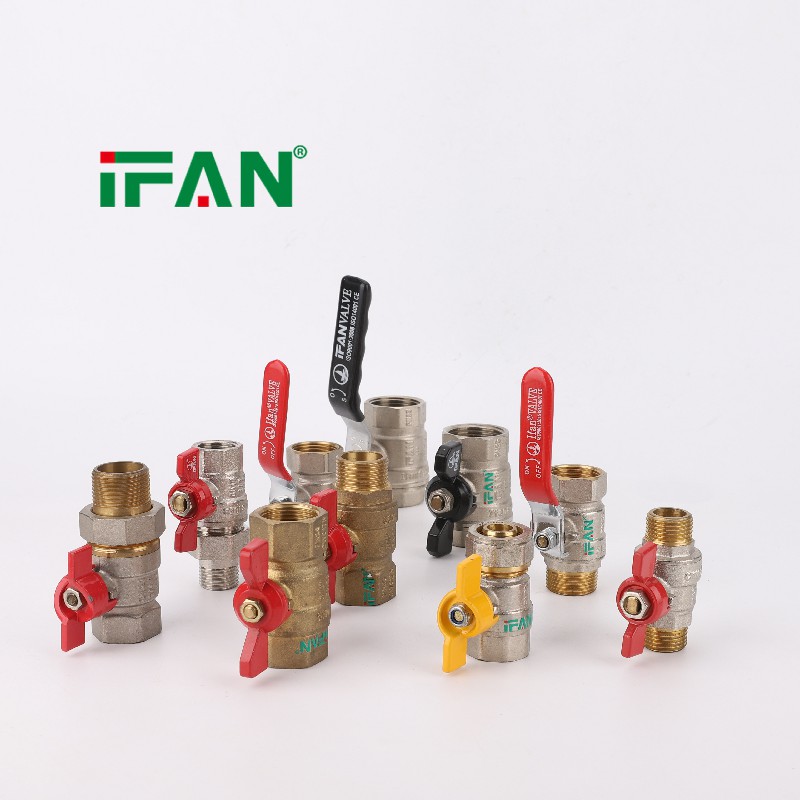
IFAN Brass Ball Valves feature a straight-through port design that minimizes flow restriction and reduces the likelihood of debris accumulating inside the valve body. When fully open, the ball’s port aligns perfectly with the pipe bore, allowing water to pass with minimal turbulence. The low-friction PTFE seats also help prevent grit from adhering to the sealing surfaces. For systems where heavy sediment is a known issue, periodic cycling of the valve can help flush out minor accumulations before they cause operational problems.
Ease of Operation in the Field
In agricultural settings, valves are often operated manually by field workers, sometimes under difficult conditions. A valve that requires excessive force to turn can be a significant bottleneck. IFAN Brass Ball Valves are designed for smooth, low-torque quarter-turn operation. The polished surface of the ball and the low-friction properties of the PTFE seats ensure that the valve can be opened or closed easily, even after sitting in one position for extended periods.
This ease of operation is critical for efficient water management. Being able to quickly isolate sections of an irrigation network allows for targeted watering, system maintenance, or emergency repairs without disrupting the entire field’s water supply. The sturdy lever handles provided with IFAN valves are designed for a secure grip, making operation straightforward even with wet hands or gloves.
System Integration and Sizing
Irrigation networks vary widely in scale, from small garden drip systems to large-scale pivot irrigation setups. IFAN manufactures brass ball valves in a range of sizes to accommodate these different needs. For smaller branch lines, standard threaded valves provide reliable isolation. For larger mainlines, robust valve configurations can handle the higher flow rates and pressures required.
Proper installation is key to long-term performance in the field. Using appropriate thread sealants and ensuring that the valves are supported to prevent stress on the pipe connections is essential. By selecting IFAN Brass Ball Valves for irrigation systems, agricultural operators invest in a flow control solution that balances durability, ease of use, and consistent performance under demanding outdoor conditions.