Is pvc material toxic?

Polyvinyl chloride (PVC) is a widely used synthetic plastic polymer that is often used in construction and as an alternative to traditional materials such as wood and metal. PVC is also used in vinyl flooring, window frames, pipes, toys, and many other applications due to its durability, versatility, and affordability.

There has been some concern about the potential toxicity of PVC, especially when it comes to its disposal and the release of harmful chemicals during its production. However, it is important to note that PVC is not inherently toxic, and when used and disposed of properly, it can be a safe and useful material.

To address the potential health and environmental risks associated with PVC, many regulatory agencies have put in place strict guidelines for the production, use, and disposal of the material. For example, in the United States, the Consumer Product Safety Commission (CPSC) has established limits on the concentration of lead in PVC products, and the Environmental Protection Agency (EPA) has developed guidelines for the safe handling and disposal of PVC.

Furthermore, many manufacturers have taken steps to address the potential risks associated with PVC. Some companies have developed alternative materials that are less toxic or biodegradable, while others have implemented closed-loop production systems to reduce the environmental impact of PVC production.
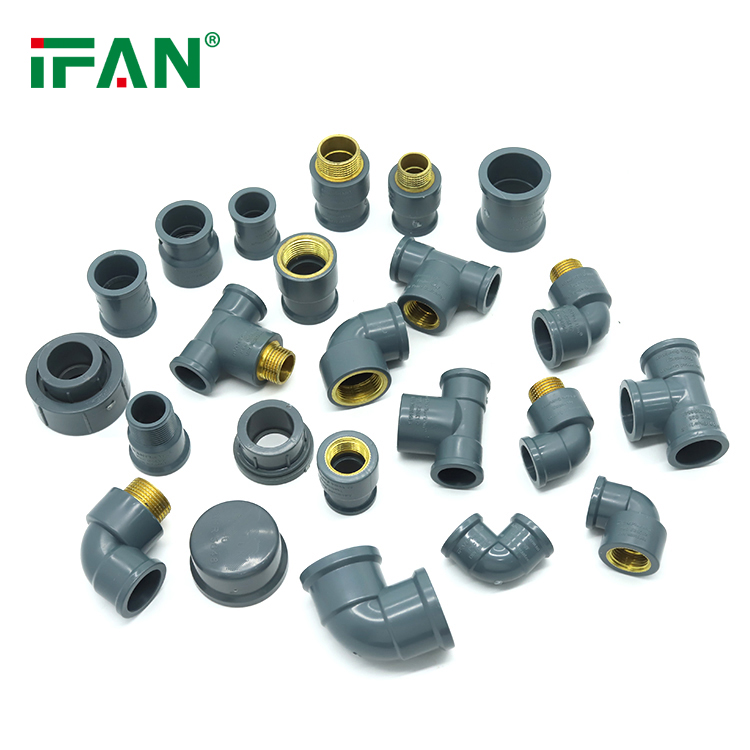
Overall, it is important to recognize that PVC is a valuable and widely used material that can be safe when used responsibly. By ensuring that PVC is produced, used, and disposed of in accordance with established guidelines and best practices, we can harness the benefits of this versatile material without sacrificing our health or the environment.

In conclusion, PVC is not inherently toxic, and with responsible use and disposal, it can be a safe and useful material for a wide range of applications. While there are certainly risks associated with PVC production and disposal, these risks can be mitigated through proper regulation and best practices. As we continue to develop new materials and technologies, it is important to recognize the value of PVC and work to harness its potential while minimizing its impact on our health and the environment.
Share:

Facebook
Twitter
Pinterest
LinkedIn

Leave a Comment

Your email address will not be published. Required fields are marked *

On Key

Related Posts

IFAN PEX Radiant Floor Tubing: The Smart Choice for Warmth from the Ground Up

Introduction: The “Heart” of Radiant Heating—Why Tubing Matters Imagine stepping onto a warm floor on a chilly winter morning, with heat gently rising from your feet to envelop the room. That’s the magic of radiant floor heating—but the real hero isn’t the boiler or thermostat. It’s the tubing buried beneath your floors, which determines the

IFAN Five Layer PEX Barrier Pipe: The Ultimate Solution for Modern Piping Systems

Introduction to IFAN Five Layer PEX Barrier Pipe When it comes to piping systems, whether for residential, commercial, or industrial use, durability, efficiency, and safety are paramount. IFAN, a renowned brand in the piping industry, has introduced its revolutionary Five Layer PEX Barrier Pipe, a product that is changing the game in the world of piping

IFAN EVOH Oxygen Barrier PERT Pipe

IFAN EVOH Oxygen Barrier PERT Pipe: The Ultimate Solution for Modern Piping Systems Introduction: The Rising Demand for High-Performance Piping In today’s world, where efficiency and durability are paramount, the demand for high-performance piping systems has skyrocketed. Whether it’s for residential heating, commercial plumbing, or industrial applications, having a reliable and long-lasting piping solution is

IFAN PERT Multilayer Composite Pipe

PERT Multilayer Composite Pipe is a hybrid pipeline solution that combines the advantages of PERT (Polyethylene of Raised Temperature Resistance) plastic with a metallic layer, widely used in heating systems, hot water supply, and industrial fluid transportation. Below is a detailed introduction covering its structure, performance benefits, applications, and installation/maintenance. 1. Structural Characteristics PERT multilayer composite

The Role of EVOH Oxygen Barrier in IFAN PEX Floor Heating Pipes

Introduction: Why Do Floor Heating Pipes Need Oxygen Barrier? Imagine you’ve just installed a brand-new floor heating system in your home, expecting cozy warmth every winter. However, a few years later, you notice that the heating efficiency drops, the boiler makes strange noises, and even the water flow seems sluggish. What went wrong? The culprit

Get Free Quote NOW