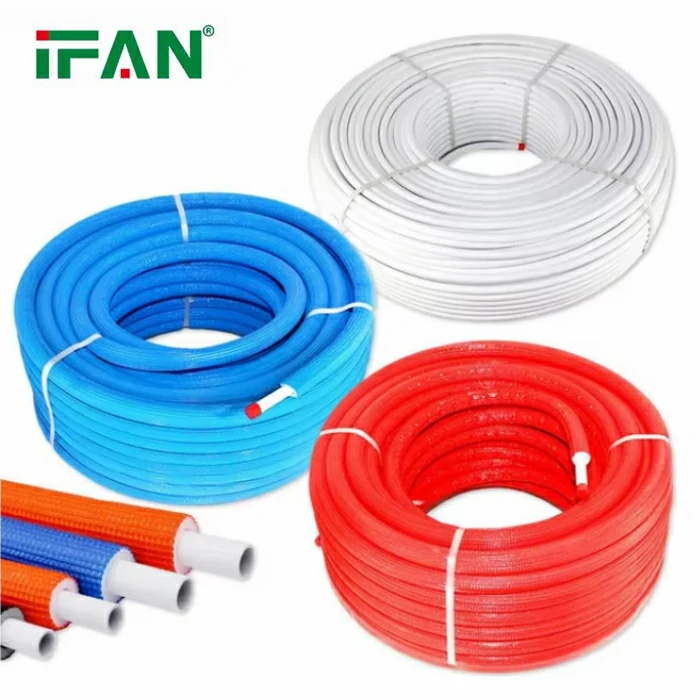
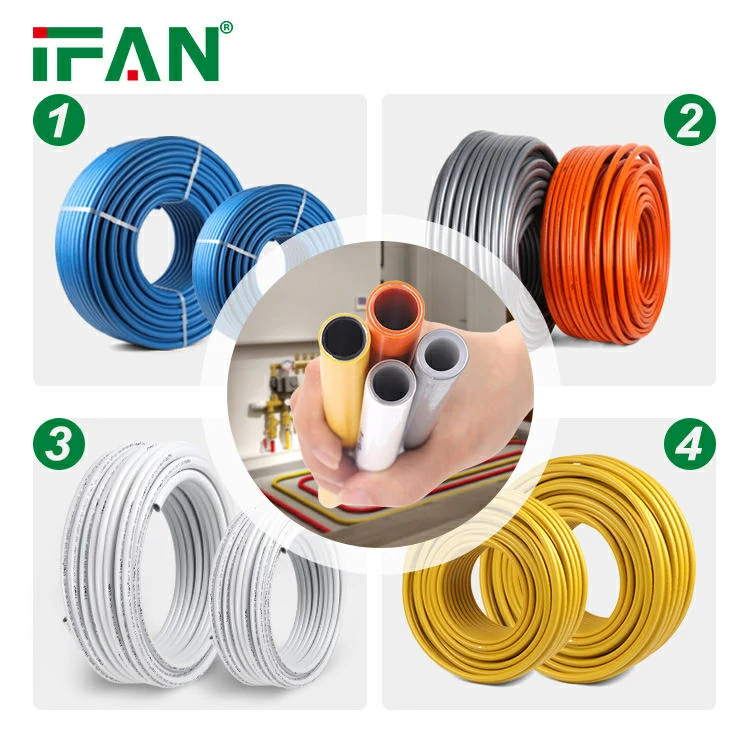
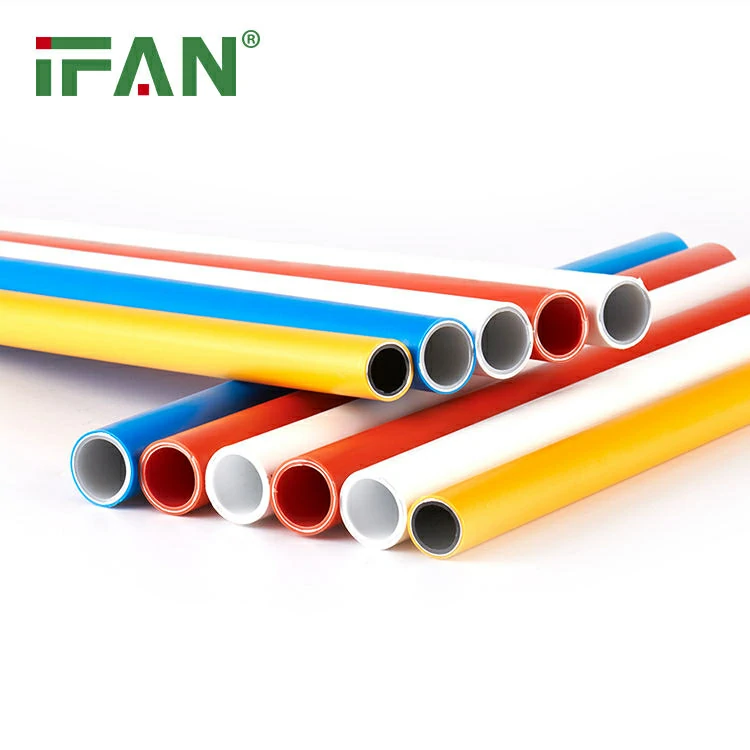
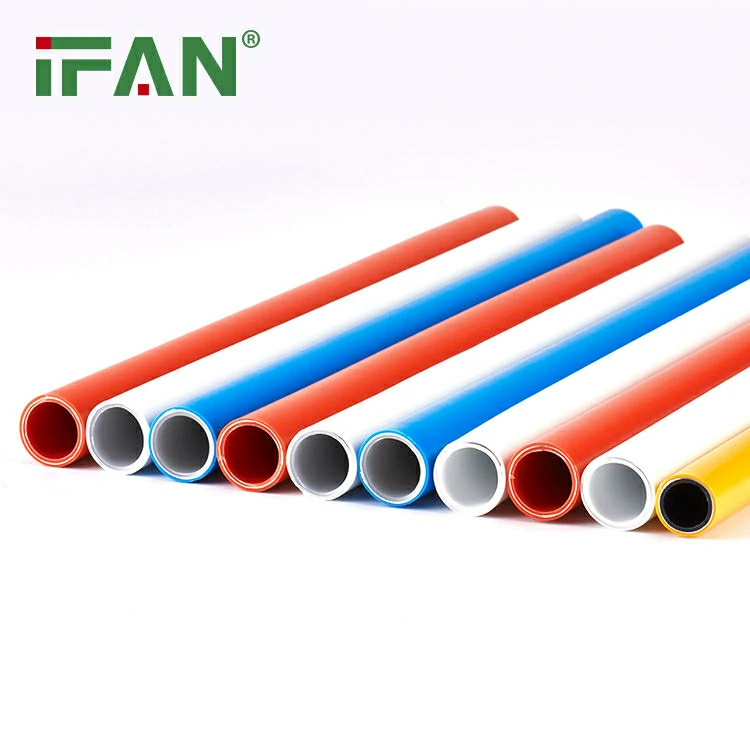
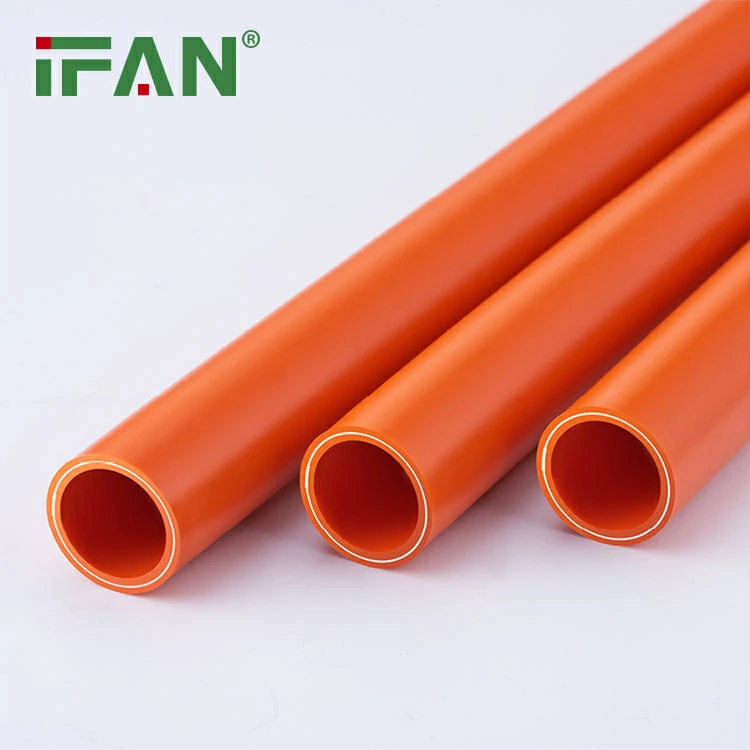
HDPE pipe, PPR pipe, and PVC pipe, what is the difference between these three materials? What are guides used for? The following IFAN will answer for you, welcome to follow us to learn more. This is our Instagram Website: www.facebook.com.
One of the most important parts of the construction industry is the water supply system, whether potable or non-potable. We are always looking for piping systems that are durable, lightweight, and have a low risk of leakage. Over the years, more and more engineers have begun to use plastic pipes instead of traditional metal pipes. Such known plastic pipes for commercial buildings or residences are HDPE, PPR, and PVC pipes. They are designed to allow easier assembly of plumbing systems in institutions. In this article, we will discuss the 3 main types of pipes, PE, PPR, and PVC, along with their uses and benefits.
HDPE pipe
The excellent physical properties and performance of HDPE pipes make them the best choice for your piping system.
Anti-corrosion
Rust and corrosion are mostly associated with metal piping systems. It affects the internal and external surfaces of the pipe, thereby affecting hydraulic efficiency. Unlike traditional metal piping products, HDPE pipes will not rust, rot or corrode. It also resists biological growth and prolongs its life, resulting in long-term savings.
Anti-fatigue
HDPE pipe has excellent fatigue resistance. Unlike other plastic pipes, they are flexible, malleable, and pressure rated to handle the occasional and repetitive surges common in water delivery systems.
Extended service life
The service life of HDPE pipes is estimated to be 50 to 100 years, depending on their application, design, and installation.
Non-spill fittings
When connecting traditional infrastructure pipes in water utilities, bells, rivets or mechanical couplings are used. This way, over time, a certain percentage of leaks have been identified. Water loss due to leaking pipes takes its toll on the system. HDPE tubing can be joined with heat fusion, creating a permanent, leak-free joint.
Welding
HDPE pipes can be joined by heat fusion welding. Heat fusion welding involves applying heat to two HDPE surfaces and joining them together to form a permanent, one-piece, leak-free system.
Unlike fusion splicing processes developed for other plastic pipes, the fusion splicing process for HDPE is proven and has been used by the natural gas industry for many years. Fusing HDPE pipes is easy and workers can be trained in the process.
Adaptability
In addition to joining HDPE by heat fusion, HDPE pipes can also be joined by piercing or mechanical joints. These fittings come in a wide variety to choose from based on your pipe size and application needs.
PPR tube
PPR pipes are made from polypropylene random copolymer plastic, they are lightweight for easy transport and are usually available in green and white. They also come with fittings, valves, fuses, and other accessories for use with pipes of all sizes. Compared with other traditional types of pipes, the inner wall or surface of PPR pipes is very smooth. Due to the smooth inner walls, the pipe has only a small influence when it comes to frictional resistance. It also reduces pressure during fluid delivery and dispensing.
PPR piping systems have good heat resistance and can reach 80 (and above) degrees Celsius. It also resists low temperatures, which can easily cause damage once installed in a cold location, resulting in water leaks. That’s why PPR is the best choice for drinking water. Pipes and fittings made of PPR are harmless raw materials. Therefore, the PPR pipe will not carry toxic substances and will not affect the health of people’s drinking water. And these pipes are also safe for our health and the environment.
PVC pipe
PVC pipes have the widest variety of plumbing applications, which is why many large industries prefer to use them. PVC piping is also known for being durable, lightweight, and easy to install, making it sustainable and very cost-effective. Its smooth surface also allows water to flow seamlessly with low friction compared to metal and concrete pipes, preventing clogging. They meet all expectations for infrastructure needs, and since they are made of high-quality materials, you can use them for a long time. They are fatigue resistant, prevent crack propagation, and are highly impact-resistant, making them virtually unbreakable.
They can also be used in hygienic and electrical applications. Because PVC pipes are not susceptible to any corrosion, are chemical resistant, and are maintenance-free. With its good physical properties, the flow of wastewater is smooth and there is no need to worry about the problem of water clogging. They are also flame retardant, making them ideal for joining compromised wires and cables with high flammability.