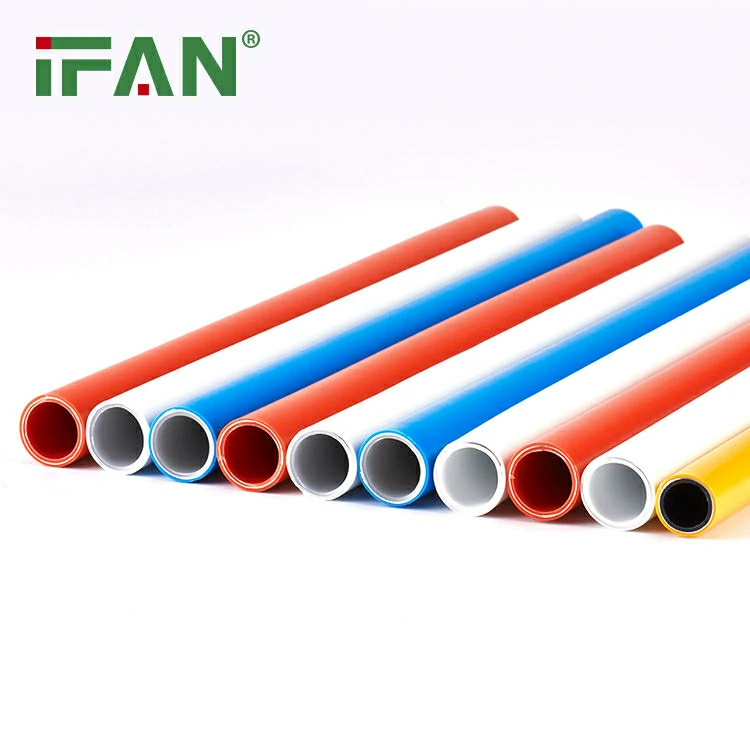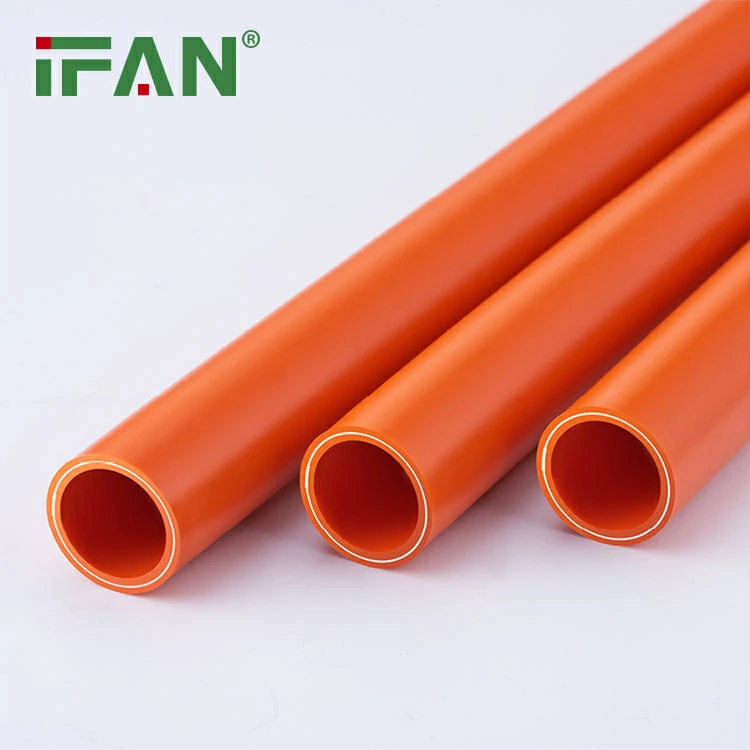
What Are PPR Pipes and Fittings?
PPR (Polypropylene Random) pipes and fittings are essential components of a plumbing system. They are made from a high-quality plastic material called polypropylene random copolymer, which offers excellent durability and versatility. This comprehensive guide will provide you with a detailed overview of PPR pipes and fittings, including their characteristics, advantages, applications, and installation methods.
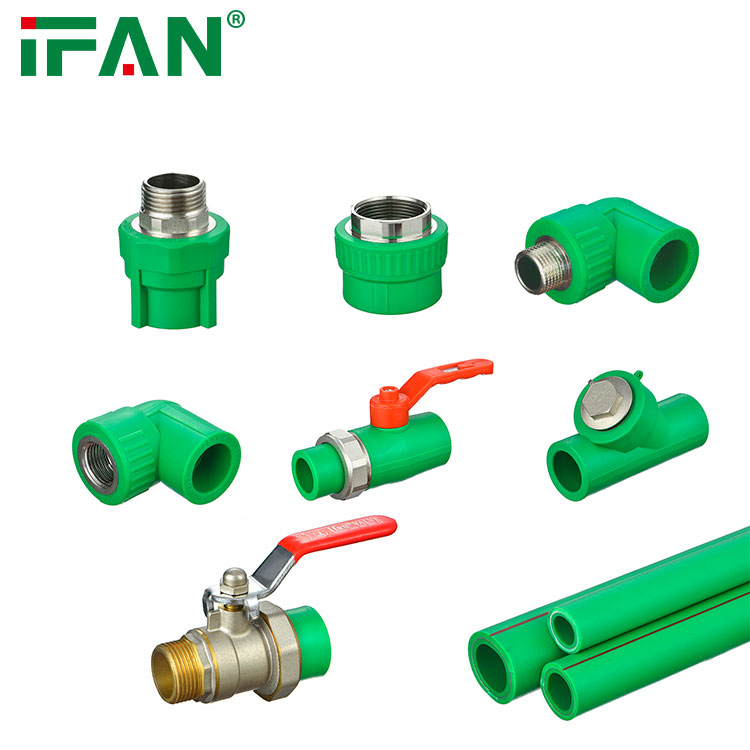
PPR Pipes
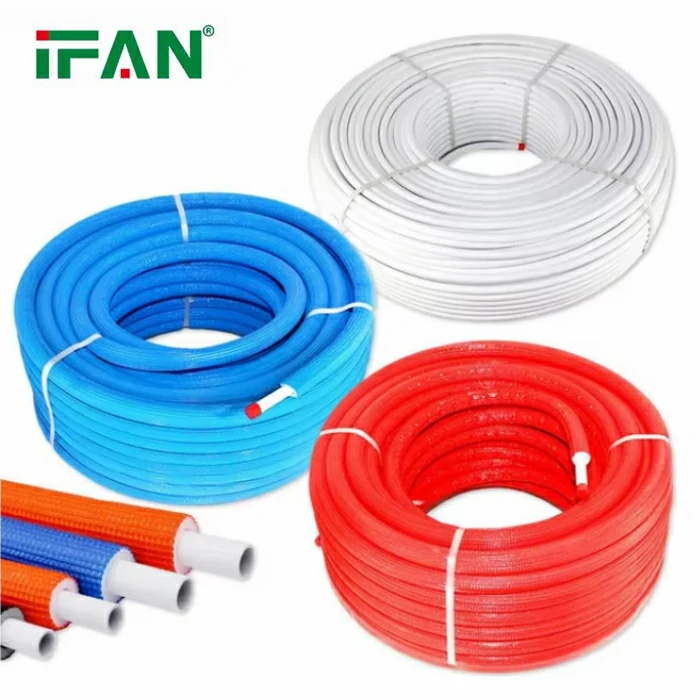
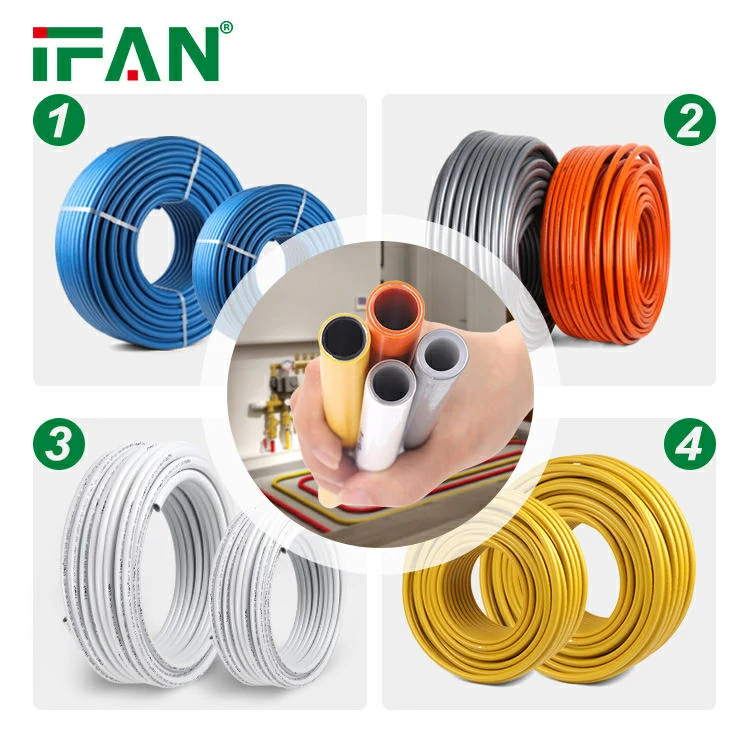
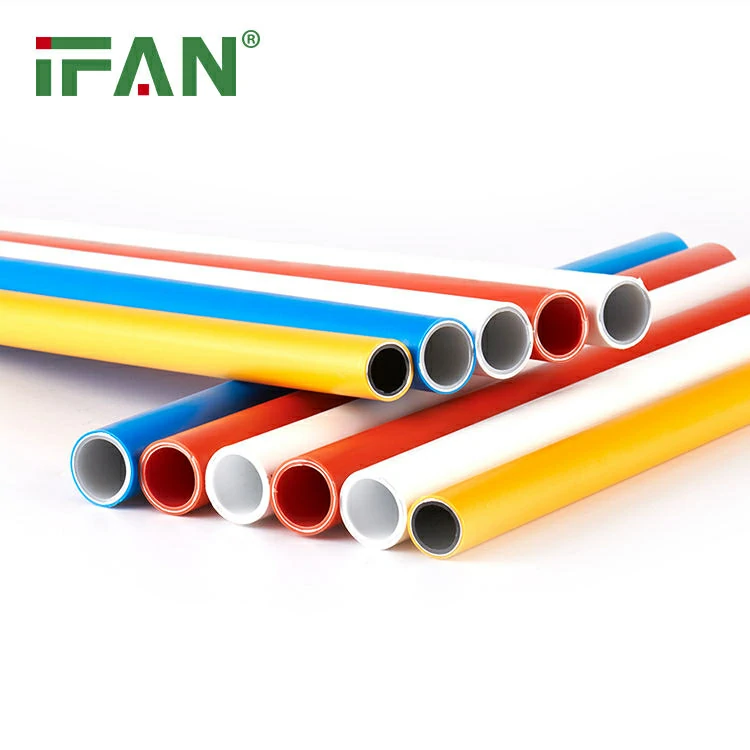
PPR pipes are designed for the transportation of hot and cold water in plumbing systems. They offer several key characteristics that make them a preferred choice in the industry:
- Corrosion Resistance: PPR pipes are highly resistant to corrosion, ensuring long-term durability and reliability.
- High-Temperature Resistance: PPR pipes can withstand high temperatures, making them suitable for both hot and cold water applications.
- Low Thermal Conductivity: PPR pipes have low thermal conductivity, minimizing heat loss and promoting energy efficiency.
- Smooth Inner Surface: PPR pipes have a smooth inner surface that minimizes friction loss and ensures efficient water flow.
- Long Service Life: PPR pipes are known for their long service life, providing a reliable plumbing solution for many years.
PPR Fittings
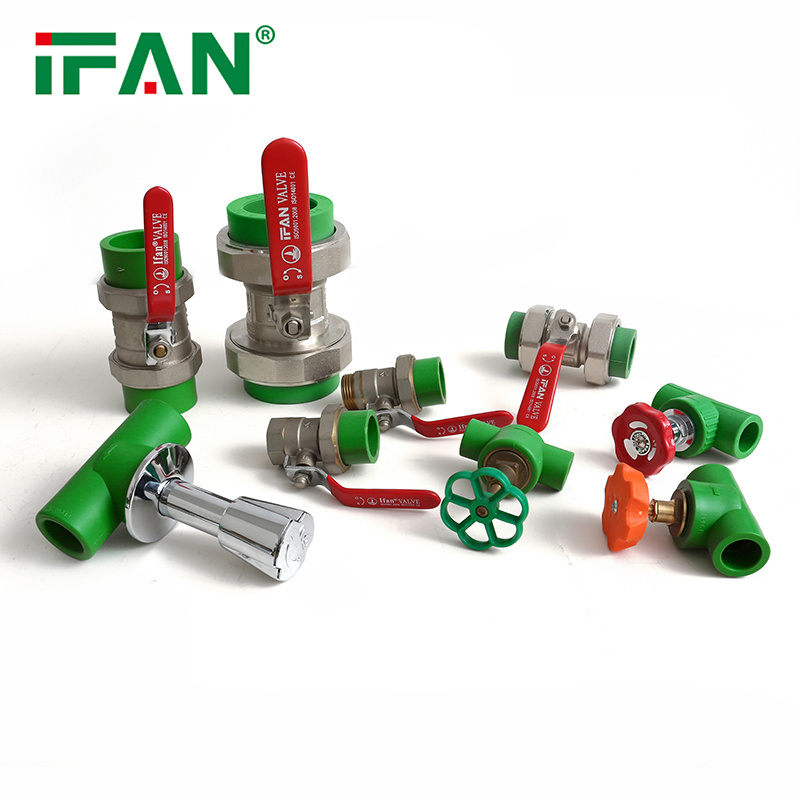
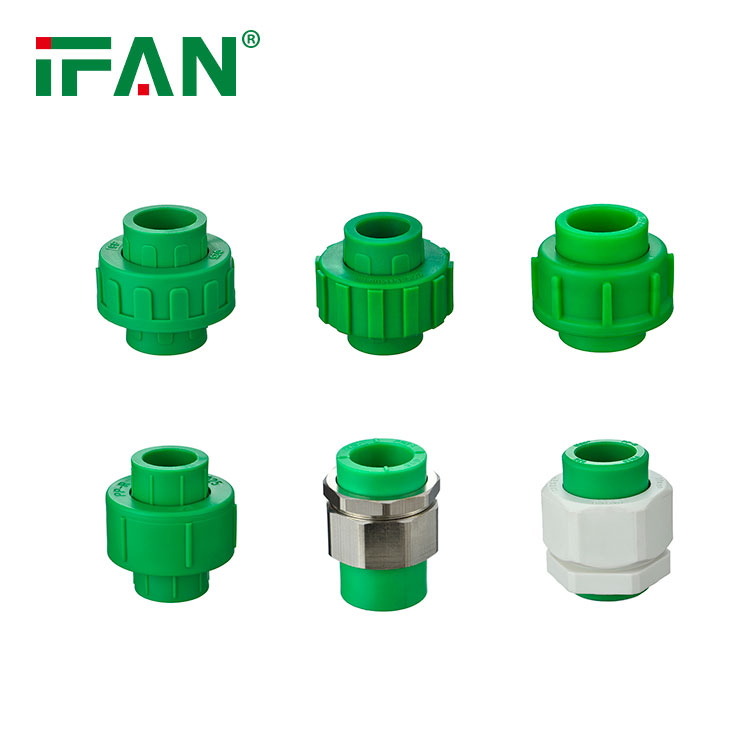
PPR fittings are used to connect and modify PPR pipes in plumbing systems. They offer various types and features to accommodate different requirements:
- Socket Fusion Fittings: Socket fusion fittings are the most common type of PPR fittings. They provide a secure connection by heating the pipe and fitting and then fusing them together.
- Threaded Fittings: Threaded fittings have male or female threads that allow for easy connection and disconnection of PPR pipes.
- Compression Fittings: Compression fittings use compression rings and nuts to create a watertight seal between PPR pipes, ensuring leak-free connections.
- Transition Fittings: Transition fittings are used to connect PPR pipes to pipes made from different materials, such as metal or PVC.
Advantages of PPR Pipes and Fittings
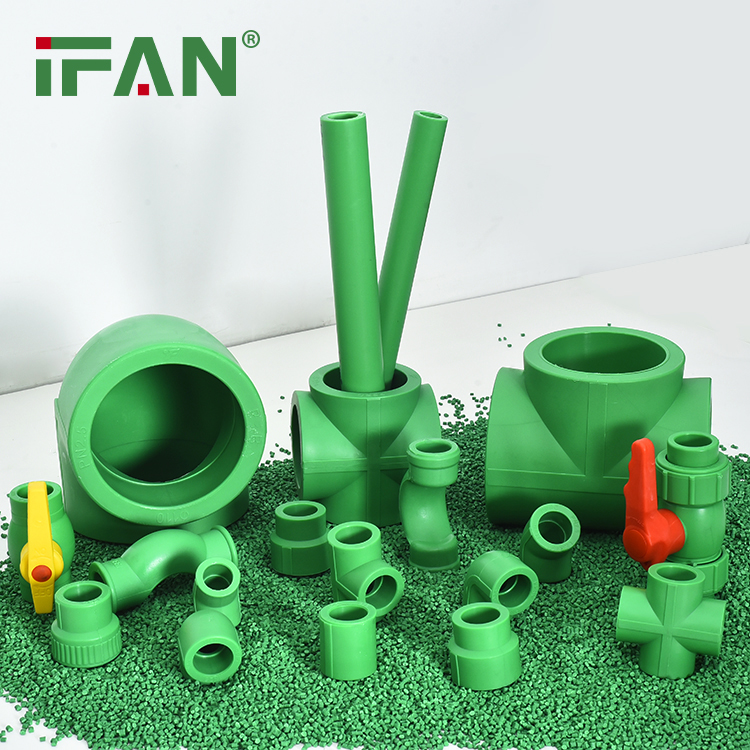
PPR pipes and fittings offer several advantages over traditional plumbing materials:
- Leak-Free Connections: PPR fittings provide tight and reliable connections, minimizing the risk of leaks or water damage.
- Easy Installation: PPR pipes and fittings are lightweight and easy to handle, making installation convenient and time-saving.
- Chemical Resistance: PPR pipes and fittings are resistant to a wide range of chemicals, ensuring compatibility with various plumbing applications.
- Hygienic and Non-Toxic: PPR pipes and fittings are safe for potable water systems, as they do not leach harmful substances into the water supply.
- Noise Reduction: PPR pipes and fittings have excellent sound insulation properties, reducing water flow noises in the plumbing system.
Applications of PPR Pipes and Fittings
PPR pipes and fittings are used in a wide range of applications, including:
- Residential Plumbing: PPR pipes and fittings are commonly used in residential plumbing systems for water supply, drainage, and gas distribution.
- Commercial and Industrial Plumbing: PPR pipes and fittings are suitable for commercial and industrial applications, such as hotels, hospitals, factories, and office buildings.
- Heating and Cooling Systems: PPR pipes and fittings are used in heating and cooling systems, including underfloor heating, radiator networks, and air conditioning installations.
- Agricultural Irrigation: PPR pipes and fittings are utilized in agricultural irrigation systems, ensuring efficient water distribution for crops and plants.
Conclusion
PPR pipes and fittings are essential components of modern plumbing systems. With their excellent durability, corrosion resistance, high-temperature resistance, and ease of installation, they provide reliable and leak-free connections for various applications. Whether it is residential plumbing, commercial and industrial plumbing, heating and cooling systems, or agricultural irrigation, PPR pipes and fittings offer a versatile and efficient solution. By understanding the characteristics, advantages, and applications of PPR pipes and fittings, professionals can make informed decisions when selecting plumbing materials for their specific needs.