PPR Fittings: Know More About Them
PPR (Polypropylene Random) fittings are an integral part of the PPR piping system. These fittings are designed to provide secure connections and ensure the proper functioning of the PPR pipes. This comprehensive guide will provide you with detailed insights into PPR fittings, including their types, advantages, installation methods, and applications.
Types of PPR Fittings
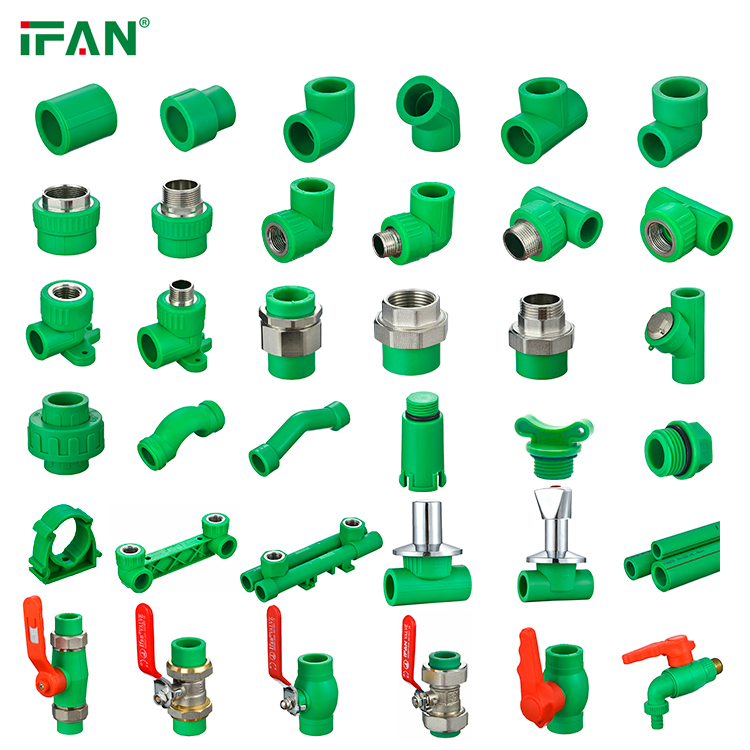
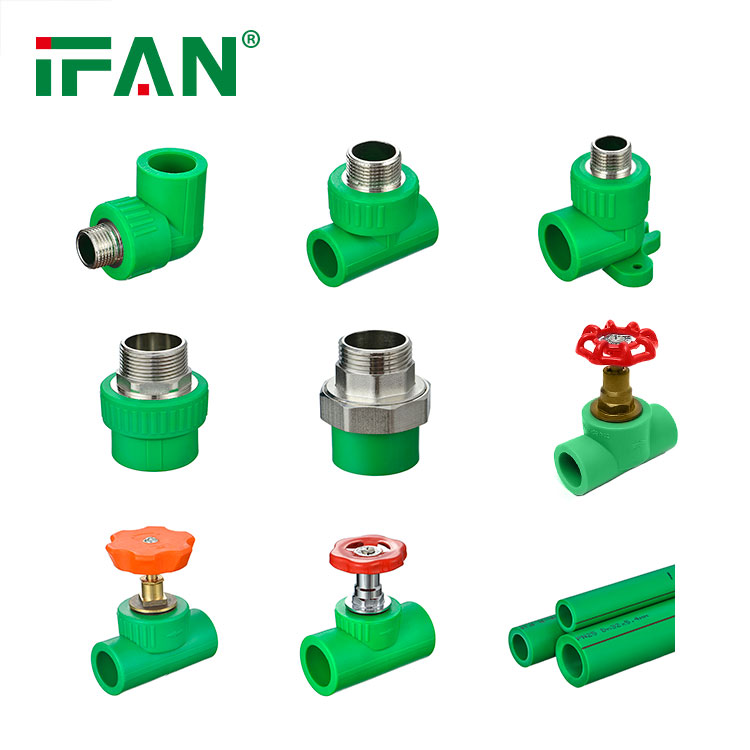
PPR fittings come in various types, each serving a specific purpose in the piping system. Some common types of PPR fittings include:
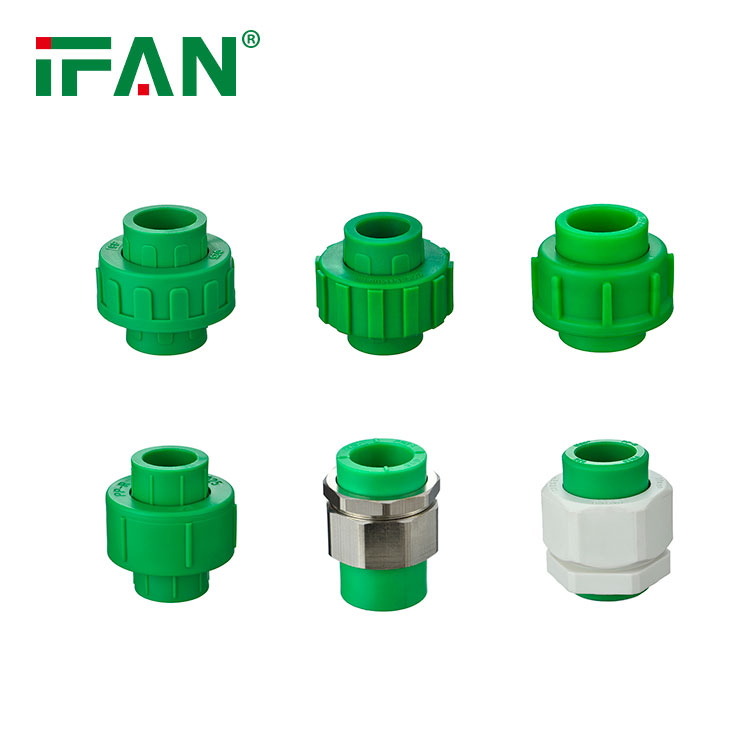
- Socket Fusion Fittings: Socket fusion fittings are the most commonly used PPR fittings. They have a socket-like structure that allows the PPR pipes to be inserted and fused together using a fusion machine. These fittings are available in different shapes, such as elbows, tees, couplings, and reducers.
- Threaded Fittings: Threaded fittings have male or female threads on their ends. These fittings are used to connect PPR pipes by screwing them together. Threaded fittings are often used in applications where disassembly and reassembly may be required.
- Compression Fittings: Compression fittings have a compression ring and a nut that compresses the PPR pipe against a sealing surface to create a watertight connection. These fittings are suitable for applications where quick and easy installation is desired.
- Transition Fittings: Transition fittings are used to connect PPR pipes to pipes made from different materials, such as metal or PVC. They ensure a secure and leak-free connection between different pipe types, enabling the integration of PPR pipes into existing systems.
Advantages of PPR Fittings
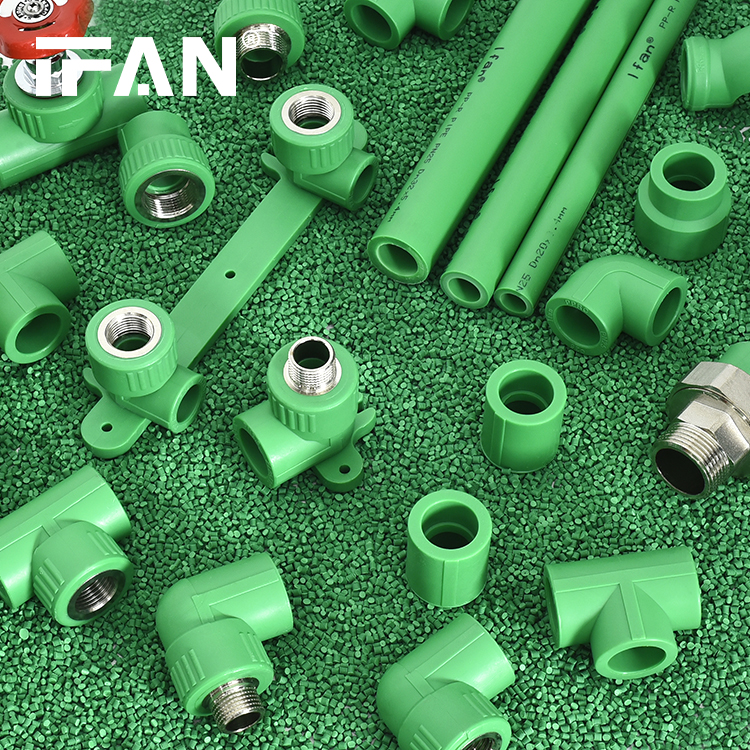
PPR fittings offer several advantages that contribute to the overall efficiency and reliability of the piping system. Some key advantages of PPR fittings include:
- Leak-Free Connections: PPR fittings provide tight and leak-free connections, ensuring the integrity of the piping system.
- Easy Installation: PPR fittings are designed for easy installation, reducing the time and effort required for assembly.
- Corrosion Resistance: PPR fittings are highly resistant to corrosion, making them suitable for various applications, including those involving aggressive chemicals or environments.
- Longevity: PPR fittings have a long service life and can withstand the rigors of different applications, ensuring durability and reliability.
Installation Methods of PPR Fittings
PPR fittings can be installed using two main methods:
- Heat Fusion: Heat fusion involves the use of a fusion machine to heat the PPR fitting and the pipe until they reach the fusion temperature. Once heated, the fitting and the pipe are pressed together, allowing the material to cool and create a strong and leak-proof joint.
- Mechanical Assembly: Mechanical assembly involves using appropriate tools to connect the PPR fitting to the pipe. This method is commonly used for threaded and compression fittings, as they rely on mechanical force to create a secure connection.
Applications of PPR Fittings
PPR fittings are extensively used in various industries and applications, including:
- Residential and Commercial Plumbing: PPR fittings are widely used in plumbing systems, connecting PPR pipes for water supply, drainage, and gas distribution in residential and commercial buildings.
- Heating and Cooling Systems: PPR fittings play a crucial role in heating and cooling systems, connecting PPR pipes for efficient heat distribution, radiator networks, and air conditioning installations.
- Industrial Applications: PPR fittings are employed in industrial applications such as chemical processing plants, factories, and wastewater treatment plants, where they provide reliable connections for fluid and gas transportation.
- Agricultural Irrigation: PPR fittings are used in agricultural irrigation systems, connecting PPR pipes for the efficient distribution of water to crops and fields.
Conclusion
PPR fittings are essential components of the PPR piping system. With their various types, advantages, and installation methods, PPR fittings provide secure and leak-free connections for a wide range of applications. Whether it is residential and commercial plumbing, heating and cooling systems, industrial applications, or agricultural irrigation, PPR fittings play a crucial role in ensuring the efficiency and reliability of the piping system. By understanding the types, advantages, and applications of PPR fittings, professionals can make informed decisions when selecting fittings for their specific needs.