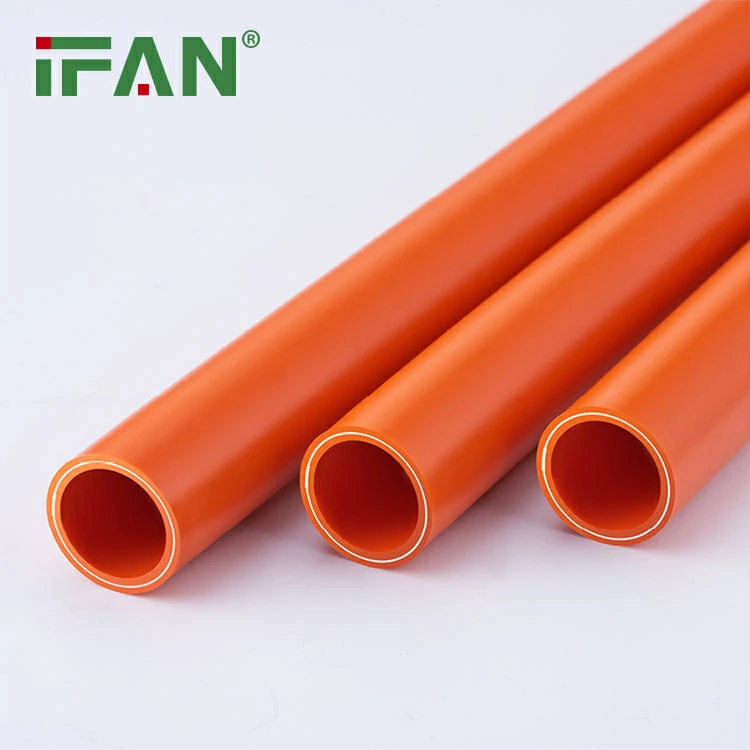
Connect PEX with Viega PEX Press Fittings: A Comprehensive Guide
Connecting PEX (cross-linked polyethylene) pipes using Viega PEX Press fittings is a popular and efficient solution in plumbing systems. This comprehensive guide provides an in-depth overview of the process and benefits of connecting PEX pipes with Viega PEX Press fittings, including information on the fittings, installation methods, advantages, and applications.
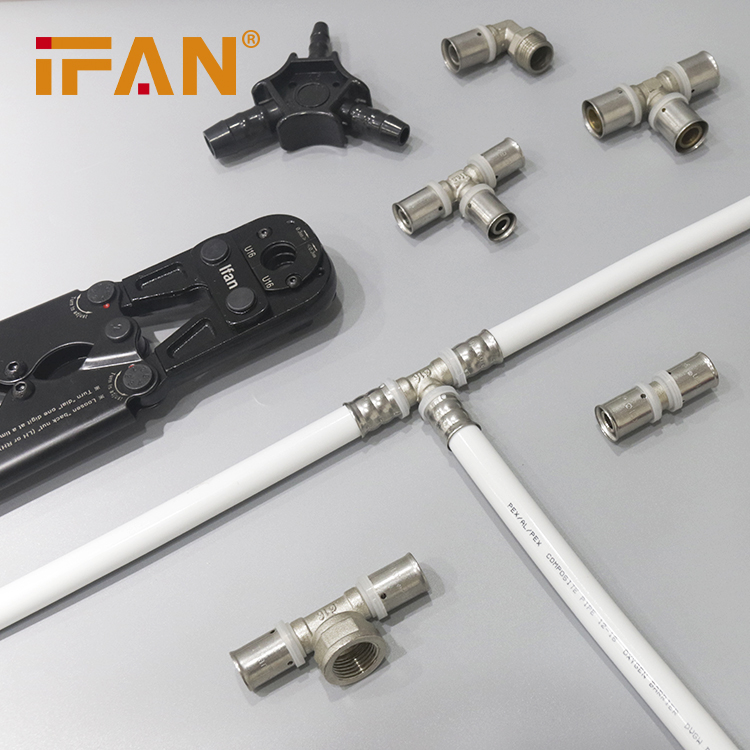
Viega PEX Press Fittings
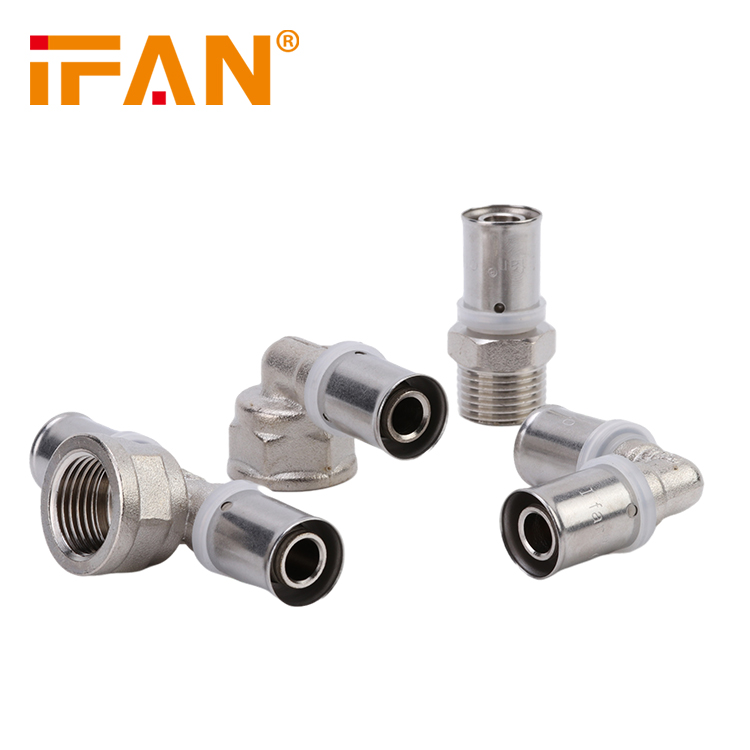
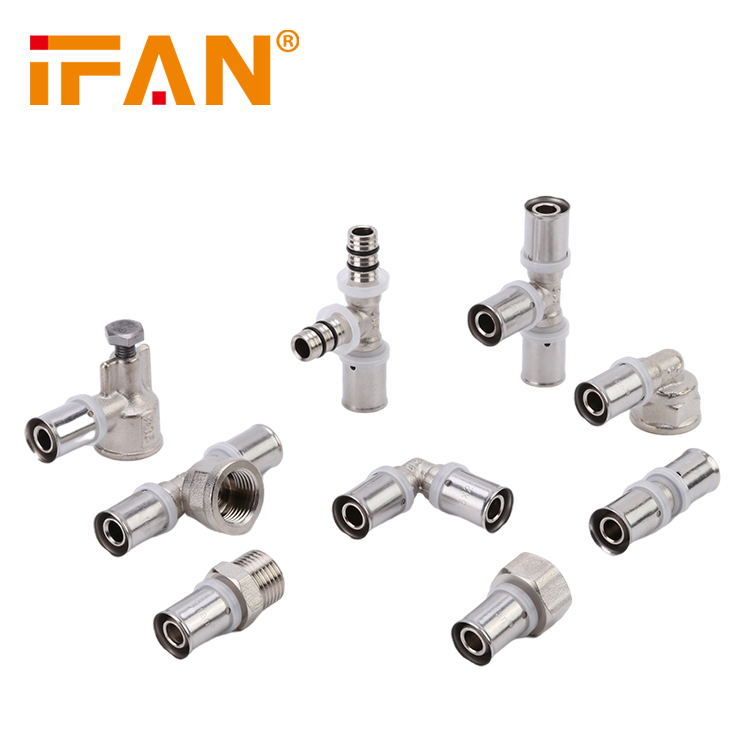
Viega PEX Press fittings are specially designed components used to connect PEX pipes. They feature a unique press connection system that ensures a secure and leak-free joint. These fittings are made of high-quality materials, such as copper or stainless steel, which offer excellent durability and resistance to corrosion.
Installation Methods
There are two primary methods for connecting PEX pipes using Viega PEX Press fittings:
- Press Method: The press method involves using a specially designed press tool to connect the PEX pipe and fitting. The press tool applies pressure to the fitting, deforming it and creating a tight seal with the PEX pipe.
- Cold Expansion Method: The cold expansion method utilizes a tool to expand the PEX pipe, allowing the fitting to be inserted. As the pipe returns to its original size, it applies pressure on the fitting, creating a secure connection.
Advantages of PEX Press Fittings
Connecting PEX pipes with Viega PEX Press fittings offers several advantages over traditional plumbing methods:
- Time and Labor Savings: PEX Press fittings offer a quick and efficient installation process, reducing labor and installation time compared to other methods.
- Reliable and Leak-Free Connections: The press connection system ensures secure and leak-free joints, minimizing the risk of water damage and costly repairs.
- No Flame or Soldering Required: Unlike soldering or welding methods, connecting PEX pipes with Viega PEX Press fittings does not require an open flame, making it a safer and cleaner installation process.
- Versatile Application: Viega PEX Press fittings can be used for various applications, including plumbing systems, radiant heating, snow melting, and even certain industrial applications.
- Temperature and Chemical Resistance: PEX pipes and Viega PEX Press fittings are highly resistant to temperature fluctuations and chemicals, ensuring durability and reliability in various environments.
Applications of PEX Press Fittings
PEX Press fittings are suitable for a wide range of applications, including:
- Residential Plumbing: PEX Press fittings are commonly used in residential plumbing systems for water supply lines, hot water recirculation, and radiant floor heating.
- Commercial and Industrial Plumbing: PEX Press fittings are widely used in commercial and industrial plumbing applications, including hotels, schools, hospitals, and commercial buildings.
- Radiant Heating Systems: PEX Press fittings are ideal for radiant heating systems, providing efficient and even heat distribution in floors, walls, or ceilings.
- Snow Melting Systems: PEX Press fittings are also used in snow melting systems for driveways, walkways, and outdoor surfaces, preventing snow and ice buildup.
Conclusion
Connecting PEX pipes using Viega PEX Press fittings offers a reliable, efficient, and time-saving solution for plumbing systems. With their unique press connection system, PEX Press fittings provide secure and leak-free joints, ensuring long-lasting performance. Suitable for residential, commercial, and industrial applications, as well as radiant heating and snow melting systems, PEX Press fittings offer versatility and reliability. By understanding the fittings, installation methods, advantages, and applications, professionals can confidently use the PEX Press method for connecting PEX pipes in their plumbing projects.