What is the Difference Between Tap and Bibcock?
When it comes to plumbing fixtures, the terms “tap” and “bibcock” are often used interchangeably. However, there are subtle differences between these two types of fixtures. In this overview, we will explore the dissimilarities between taps and bibcocks, including their design, functionality, and common applications.
Tap
A tap, also known as a faucet, is a device used to control the flow of water from a plumbing system. Taps are typically found in kitchens, bathrooms, and utility areas. Here are the key characteristics of taps:
- Design: Taps consist of a handle or knob that is rotated or lifted to control the flow of water. They have a spout or nozzle through which water is dispensed. Taps can have a single handle controlling both hot and cold water or separate handles for hot and cold water.
- Functionality: Taps are designed to provide a controlled flow of water for various purposes, such as washing hands, dishes, or filling containers. They often include features like aerators to reduce water consumption and improve efficiency.
- Application: Taps are commonly used in residential, commercial, and industrial settings. They can be found in kitchens, bathrooms, laundry rooms, public restrooms, and other areas where water supply is required.
Bibcock
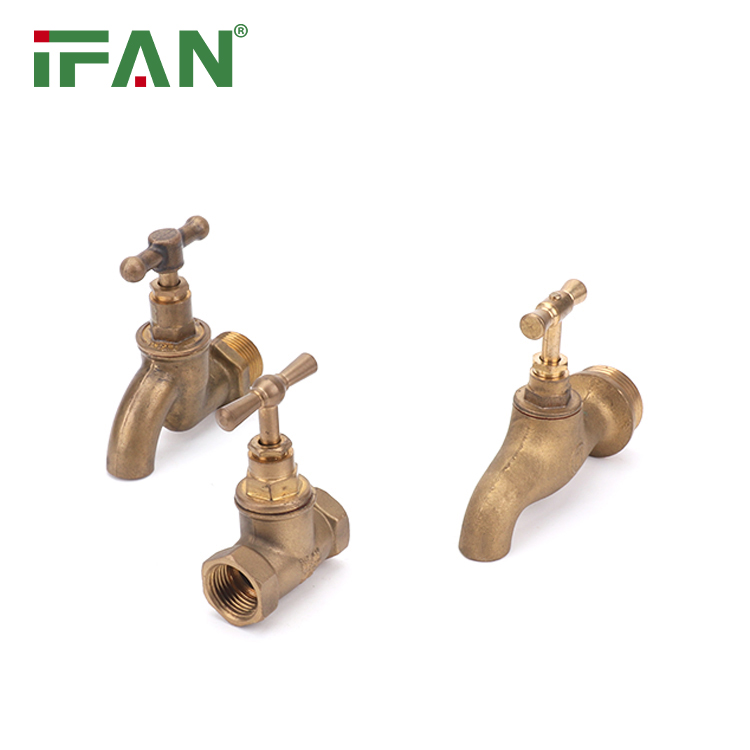
A bibcock, also known as a hose bib or garden tap, is a type of valve used specifically for outdoor water connections and garden use. The main characteristics of bibcocks are as follows:
- Design: Bibcocks have a simple design, consisting of a threaded outlet that allows for the connection of hoses or other accessories. They often have a handwheel or lever handle for easy operation and are usually made of brass or stainless steel for durability.
- Functionality: Bibcocks are primarily used to supply water to outdoor areas or for connecting hoses for various purposes, such as gardening, washing vehicles, or cleaning outdoor surfaces. They are commonly installed on the exterior walls of buildings or in gardens.
- Application: Bibcocks are widely used in residential settings, especially for outdoor water connections. They are commonly found in gardens, patios, and other outdoor areas where water is needed.
Differences
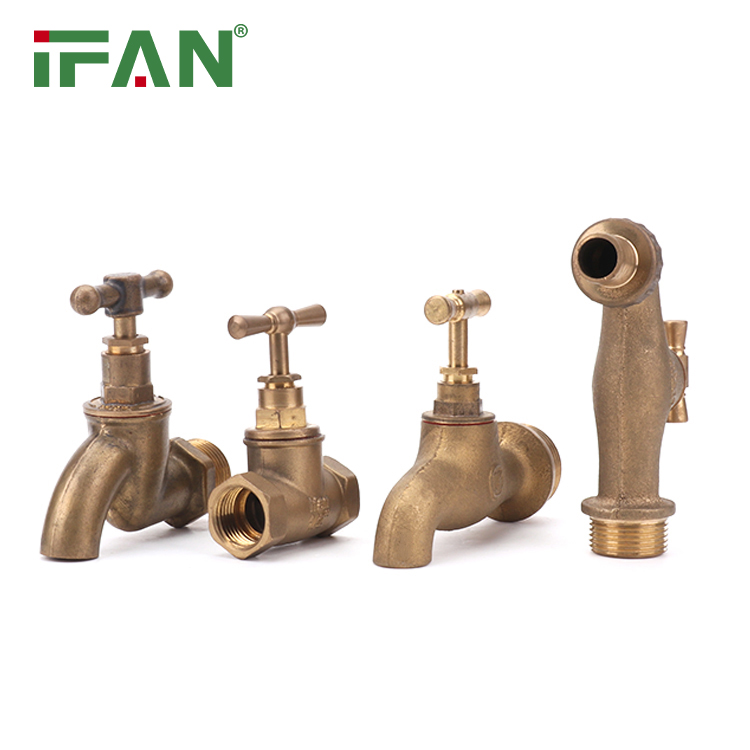
The main differences between taps and bibcocks can be summarized as follows:
- Design and Functionality: Taps are more complex in design, with handles for controlling the temperature and flow of water. They are used for a wide range of indoor water applications. Bibcocks, on the other hand, have a simpler design and are specifically designed for outdoor use, focusing on connecting hoses and supplying water to outdoor areas.
- Location: Taps are installed indoors, typically in kitchens and bathrooms, while bibcocks are installed outdoors, commonly on exterior walls or in gardens.
- Water Connection: Taps are connected to a water supply system and are often connected to hot and cold water pipes. Bibcocks, on the other hand, are typically connected to a single cold water supply and are mainly used for supplying water to external areas or for hose connections.
Conclusion
While taps and bibcocks serve the purpose of controlling the flow of water, they have distinct differences in terms of design, functionality, and application. Taps are more versatile, serving indoor water needs, while bibcocks are specifically designed for outdoor use and primarily used for connecting hoses and supplying water to gardens and other external areas. Understanding the differences between taps and bibcocks allows for better decision-making when selecting the appropriate fixture for specific plumbing requirements.