What Is the Function of Brass Ball Valve?
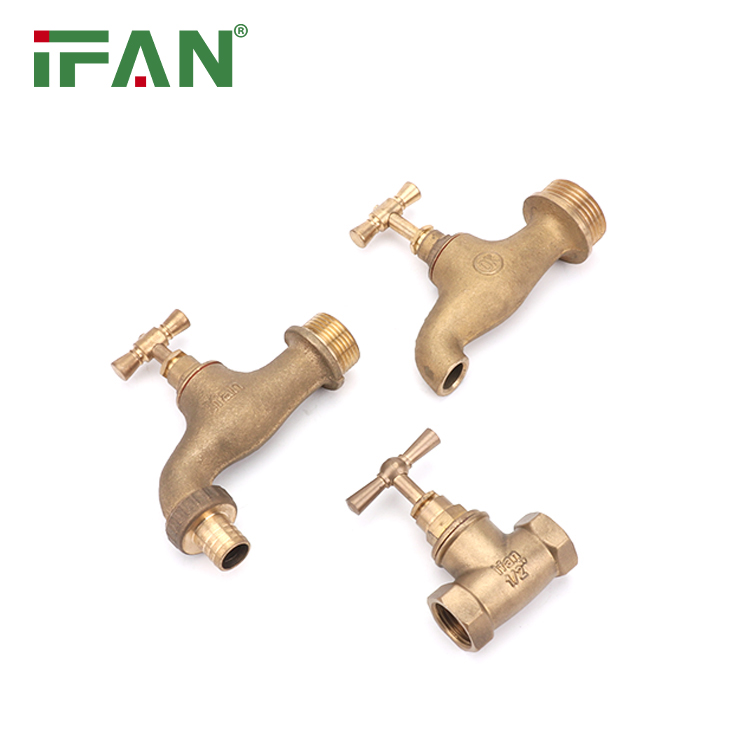
A brass ball valve is a type of valve that is widely used in various industries and applications. It is known for its durability, reliability, and ease of operation. In this overview, we will explore the different functions and advantages of brass ball valves. Let’s delve into each aspect in detail.
Shut-off Valve
One of the primary functions of a brass ball valve is to act as a shut-off valve. It allows for the complete control and interruption of the flow of fluid or gas through a pipeline. This function is crucial in situations where it is necessary to stop or start the flow instantaneously, such as in emergency situations or during routine maintenance.
Flow Control
Brass ball valves are also used for precise flow control. By rotating the lever or handle, the position of the ball inside the valve can be adjusted to regulate the flow rate of the fluid or gas passing through the pipeline. This feature is particularly useful in applications where a gradual adjustment of flow is required, such as in industrial processes or irrigation systems.
Minimal Pressure Drop
Brass ball valves are designed to provide a full bore, meaning the diameter of the opening is the same as the diameter of the pipeline. This design feature minimizes pressure drop across the valve, ensuring efficient flow and reducing energy consumption. It is especially beneficial in applications where maintaining a consistent flow rate is critical, such as in HVAC systems or water distribution networks.
Bi-directional Flow
Another advantage of brass ball valves is their ability to handle bi-directional flow. The ball inside the valve is symmetrical, allowing fluid or gas to flow in both directions without any impact on its performance. This feature makes brass ball valves versatile and suitable for a wide range of applications where flow direction changes periodically or where backflow prevention is necessary.
Versatility and Compatibility
Brass ball valves are compatible with various types of fluids and gases, including water, oil, gas, and many chemicals. The brass material used in their construction provides excellent resistance to corrosion, making them suitable for both indoor and outdoor installations. They are commonly used in plumbing systems, HVAC systems, industrial processes, and irrigation systems.
Easy Operation and Maintenance
Brass ball valves are known for their ease of operation. The lever or handle provides a quick and effortless way to open, close, or adjust the valve. Their simple design also allows for easy maintenance, such as replacing seals or repairing any potential leaks. This user-friendly feature reduces downtime and ensures smooth operation in various applications.
Conclusion
Brass ball valves play a crucial role in controlling and regulating the flow of fluids and gases in different industries and applications. With their shut-off and flow control functions, minimal pressure drop, compatibility with various substances, and ease of operation and maintenance, brass ball valves provide a reliable and efficient solution. The versatility, durability, and excellent performance of brass ball valves make them a go-to choice for many professionals and industries where precise flow control and shut-off capabilities are required.