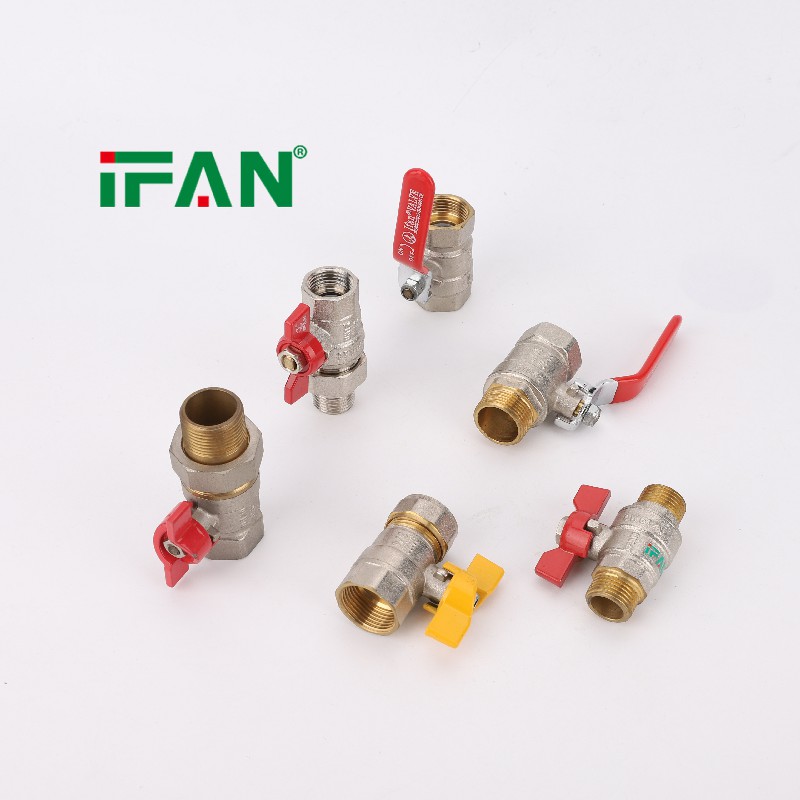
Why Post-Installation Testing Is Non-Negotiable
Installing a brass ball valve is only half the job. Even a precisely machined valve from IFAN can develop leaks if the installation process introduced stress, cross-threading, or incomplete sealant coverage. Post-installation testing verifies that the valve is functioning as designed and that the surrounding connections are secure. Skipping this step risks hidden leaks behind walls, under floors, or inside equipment enclosures—problems that are far more expensive to fix after the system is pressurized and operational.
Visual Inspection Before Pressurization
The first step in any testing protocol begins before water or air enters the system. A thorough visual inspection can catch issues that would otherwise become leaks under pressure.
Check the valve body for any signs of physical damage, such as dents or cracks, that may have occurred during handling. Examine the threaded connections to confirm that the valve is fully seated and that the threads are properly engaged. Look for excess sealant or PTFE tape protruding from the joint—this can indicate over-application or incomplete tightening.
Verify that the valve handle operates smoothly through a full quarter-turn cycle. If the handle binds or requires excessive force, the internal components may be misaligned or the stem may be over-tightened. A properly installed IFAN Brass Ball Valve should turn easily from the fully open to the fully closed position without resistance.
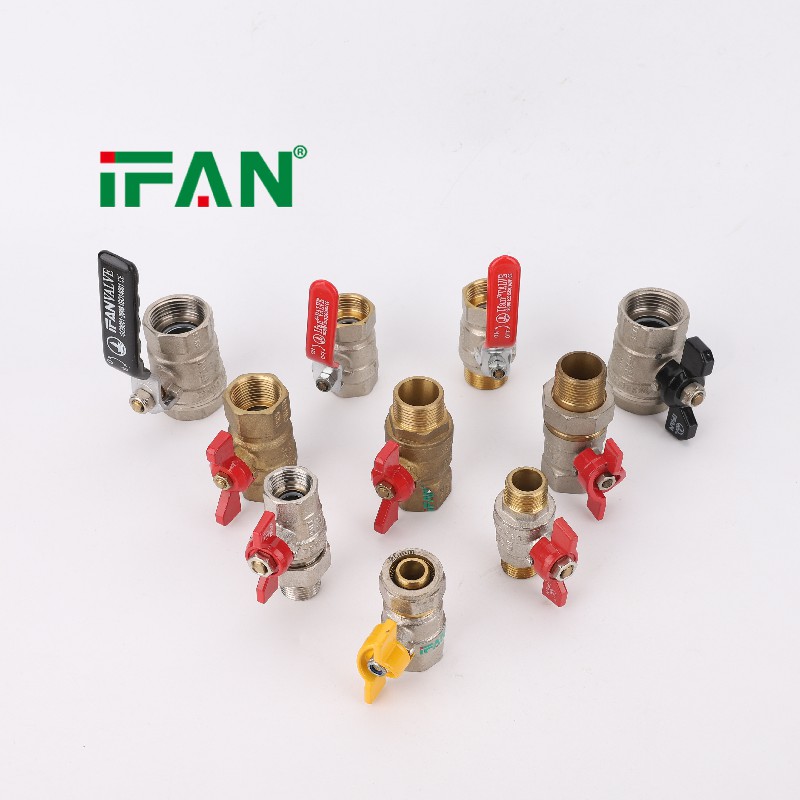
Hydrostatic Pressure Testing Procedures
Hydrostatic testing is the standard method for verifying the integrity of a pressurized water system. After the system is filled with water and all air is purged, the pressure is gradually increased to the test pressure—typically 1.5 times the system’s working pressure, but never exceeding the valve’s maximum rating.
Isolate the valve under test by closing it and opening the adjacent isolation points. Observe the downstream side of the valve for any signs of leakage. A small amount of moisture at the stem or thread connections may indicate a seal failure. Allow the system to hold at test pressure for a minimum of 15 to 30 minutes. Any pressure drop on the gauge that cannot be attributed to temperature changes or system expansion should be investigated. For IFAN Brass Ball Valves, the PTFE seats are designed to hold a bubble-tight seal when the valve is fully closed. If leakage is detected at the stem, the packing nut may require slight tightening. If leakage occurs at the threads, the connection should be disassembled, cleaned, and re-sealed.
Testing for Air and Gas Applications
When IFAN Brass Ball Valves are used in compressed air or gas systems, hydrostatic testing is not appropriate. Instead, pneumatic testing or leak detection methods are used.
For compressed air systems, apply a soapy water solution to all threaded connections and the stem area while the system is pressurized. Bubbles will form at any leak point. This method is simple, effective, and safe for low-to-medium pressure systems. For higher-pressure gas lines, electronic leak detectors or ultrasonic testing may be required. Always follow local safety regulations when testing gas systems, and never exceed the valve’s rated pressure during testing.
Operational Verification and Final Checks
After pressure testing is complete, operate the valve several times through its full quarter-turn range while the system is under normal operating pressure. This confirms that the ball rotates freely and that the seats maintain contact with the ball surface. Listen for any unusual noises, such as hissing or gurgling, which could indicate internal leakage.
Check the stem area for any signs of moisture after cycling the valve. A small amount of seepage immediately after operation may be normal as the O-rings reseat, but persistent leakage requires attention. Finally, verify that the handle is positioned correctly and that it does not interfere with surrounding pipes or equipment. IFAN provides technical support and samples for evaluation, allowing contractors to verify the quality of the valve before full-scale installation. Proper testing after installation ensures that IFAN Brass Ball Valves deliver the reliable performance they are designed for.