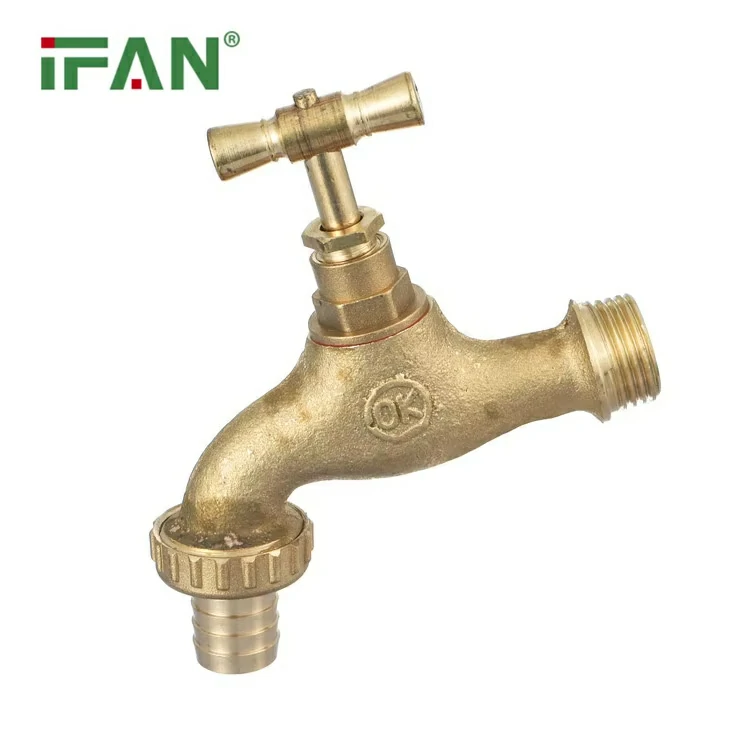
Clamp saddle is a type of fitting used to connect polyethylene (PE) pipes together. Polyethylene pipes are a popular choice for piping systems because they are durable, lightweight, and resistant to chemicals and corrosion. They are commonly used in water supply, gas distribution, and sewage disposal systems.
The clamp saddle is a saddle-shaped piece of material that is placed over the PE pipe and secured in place with a clamp. The saddle has a threaded outlet that allows you to connect a valve or other fitting to the pipe. The clamp ensures that the saddle is tightly secured to the pipe to prevent leaks.
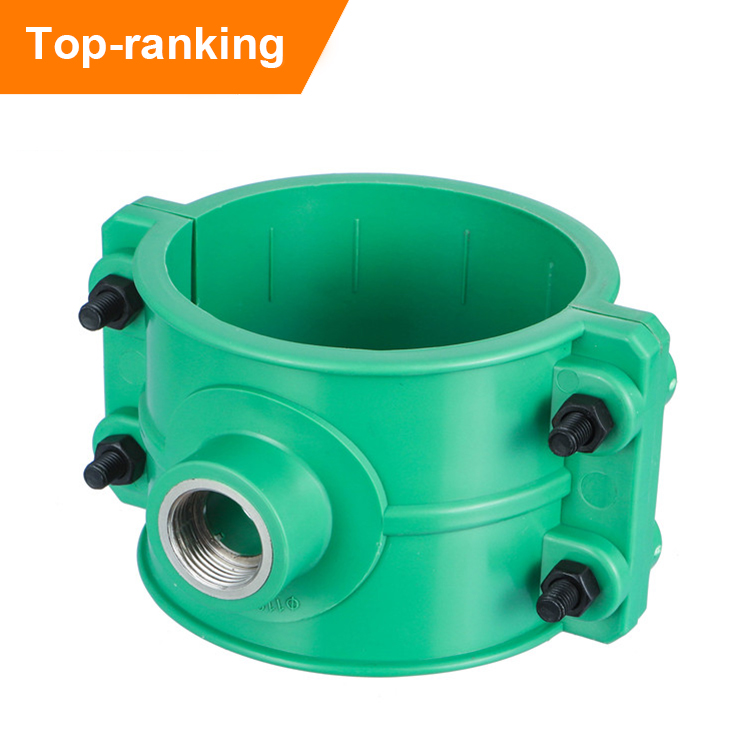
There are many different types of clamp saddles available, each designed to meet specific application needs. Some of the most common types of clamp saddles include the following:
- Single Branch Saddle: This saddle type features a single outlet that allows you to connect a valve or other fitting to the pipe.
- Double Branch Saddle: This type of saddle has two outlets, which allows you to connect multiple fittings or valves to the same pipe.
- Triangular Saddle: This saddle type is designed for use with small diameter pipes and features a triangular shape that allows you to connect fittings at a variety of angles.
- Oval Saddle: This type of saddle is designed for use with larger pipes and features an oval-shaped outlet that allows you to connect larger fittings.
- Flanged Saddle: This saddle type features a flange at the outlet, which allows you to connect a flanged valve or other fitting to the pipe.
Clamp saddles are typically made from high-quality materials that are resistant to corrosion and chemicals. Some of the most common materials used to manufacture clamp saddles include polypropylene, polyethylene, and acetal. These materials are lightweight, durable, and can withstand a wide range of temperatures and pressures.
When installing a clamp saddle, it is important to follow the manufacturer’s instructions carefully to ensure a secure and leak-free connection. The first step is to clean the surface of the pipe to remove any dirt or debris that may interfere with the seal. Once the pipe is clean, you can place the saddle over the pipe and secure it in place with the clamp. Be sure to tighten the clamp evenly to ensure a tight fit.
Once the saddle is in place, you can connect the valve or other fitting to the outlet. Make sure to use the appropriate fittings and follow the manufacturer’s instructions for installation to ensure a secure and leak-free connection.
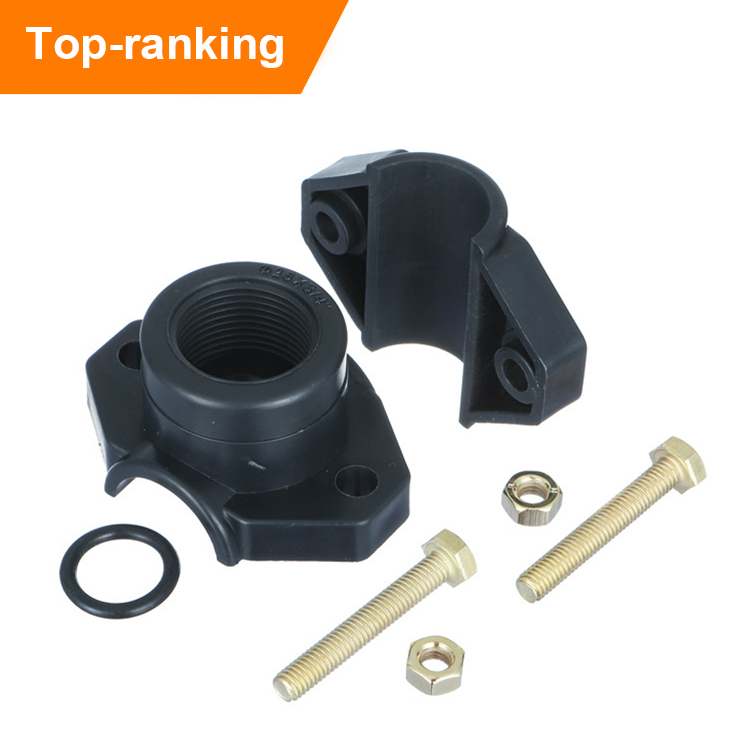
Clamp saddles offer many benefits over other types of pipe fittings. They are easy to install, require minimal maintenance, and are available in a wide range of sizes and materials. They are also more cost-effective than other types of fittings, making them a popular choice for many piping applications.
In conclusion
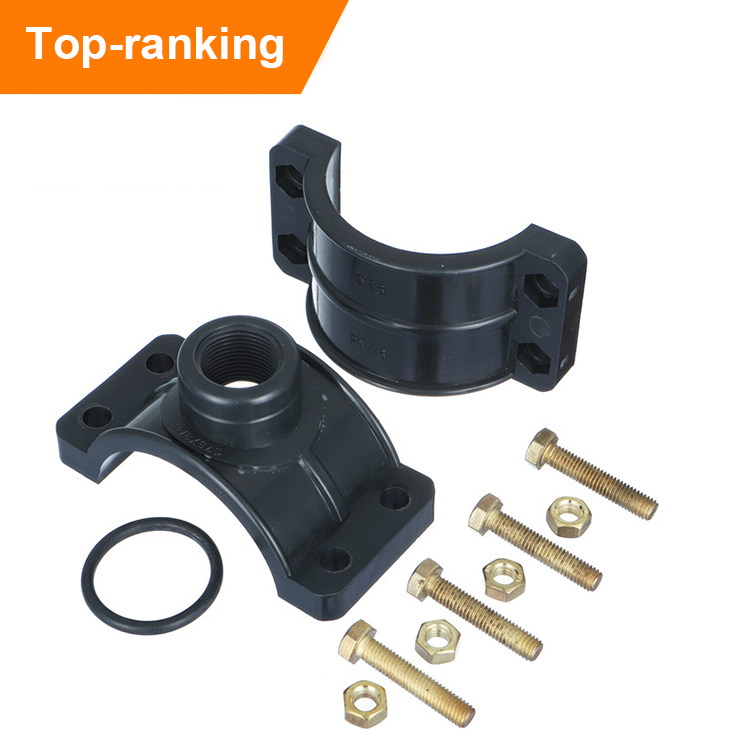
The clamp saddle is an important component in many piping systems. It provides a secure and leak-free connection between polyethylene pipes and valves or other fittings. With a wide range of sizes and materials available, clamp saddles offer many benefits over other types of fittings. Whether you are working on a water supply, gas distribution, or sewage disposal system, a clamp saddle can help ensure a safe and reliable connection.