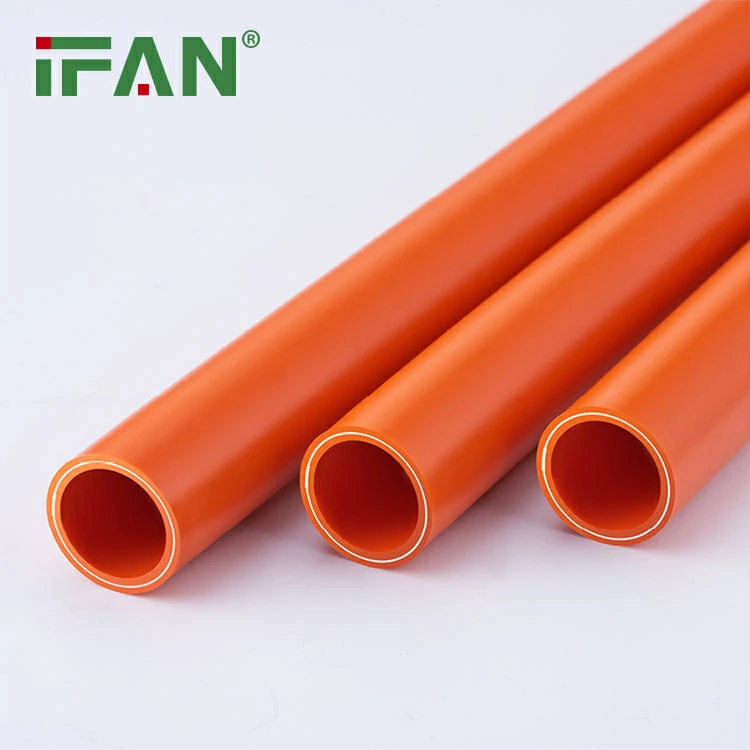
PPR Fiberglass Pipes: Meeting International Standards and Regulations
Introduction
PPR (Polypropylene Random Copolymer) fiberglass pipes are widely recognized for their superior quality and compliance with international standards and regulations. In this article, we will explore how PPR fiberglass pipes meet these stringent requirements, ensuring their reliability and safety. Let’s break down each section into separate headings.
1. Manufacturing Standards
PPR fiberglass pipes are manufactured in adherence to rigorous international standards. These standards ensure that the pipes are produced using high-quality materials and meet specific performance criteria. Some of the key manufacturing standards for PPR fiberglass pipes include ISO 15874, DIN 8077/8078, and ASTM F2389. Complying with these standards guarantees that the pipes are manufactured using the latest technologies and best practices, resulting in a reliable and durable product.
2. Material Quality and Safety
The materials used in the production of PPR fiberglass pipes undergo thorough testing to ensure their quality and safety. The main component, polypropylene, is carefully selected to meet specific requirements, such as temperature resistance, chemical compatibility, and mechanical strength. Additionally, the fiberglass reinforcement adds durability and enhances the overall performance of the pipes. The materials used in PPR fiberglass pipes are free from harmful substances and comply with regulatory guidelines, ensuring the safety of the pipes for various applications.
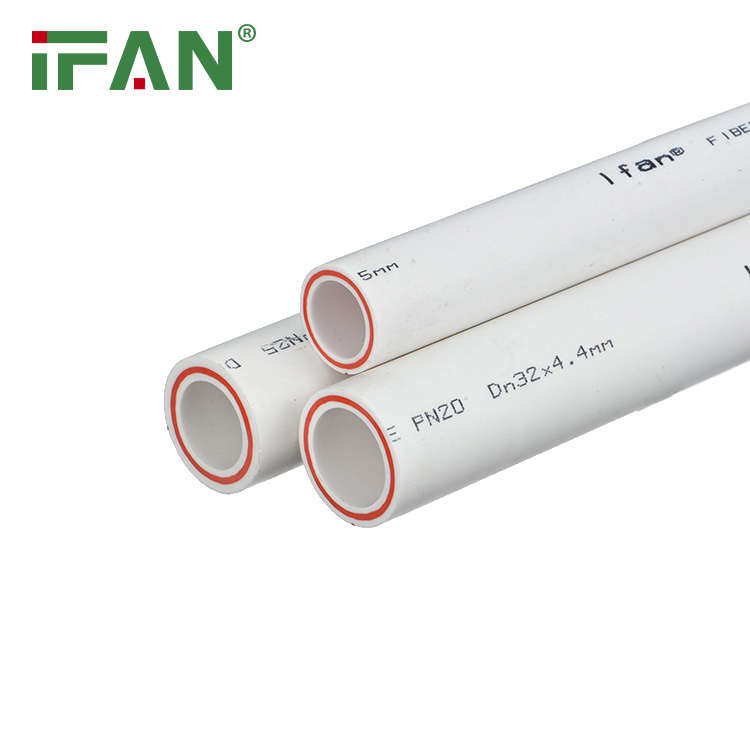
3. Pressure and Temperature Ratings
PPR fiberglass pipes are designed to withstand specific pressure and temperature conditions. These pipes undergo rigorous testing to determine their maximum pressure and temperature ratings. The testing procedures follow internationally recognized methods, such as ISO 9080 and ISO 11357. By meeting these standards, PPR fiberglass pipes can safely handle a wide range of operating conditions, providing peace of mind to end-users and ensuring system reliability.
4. Chemical Resistance
PPR fiberglass pipes exhibit excellent resistance to a wide range of chemicals. They are specifically designed to withstand aggressive environments, including acids, alkalis, and corrosive substances. The chemical resistance of PPR fiberglass pipes is tested according to established standards, such as ISO 175 and ASTM D543. These tests evaluate the pipes’ ability to withstand exposure to various chemicals without compromising their integrity or performance. The high chemical resistance ensures the longevity and reliability of PPR fiberglass pipes in demanding applications.
5. Hygiene and Potable Water Compliance
PPR fiberglass pipes are widely used in potable water systems due to their excellent hygiene properties. These pipes are tested and certified to meet international standards for potable water, such as NSF 61 and WRAS. The materials used in PPR fiberglass pipes do not leach harmful substances into the water, ensuring the safety and quality of the water supply. The compliance with potable water regulations makes PPR fiberglass pipes a reliable choice for residential, commercial, and industrial water distribution systems.
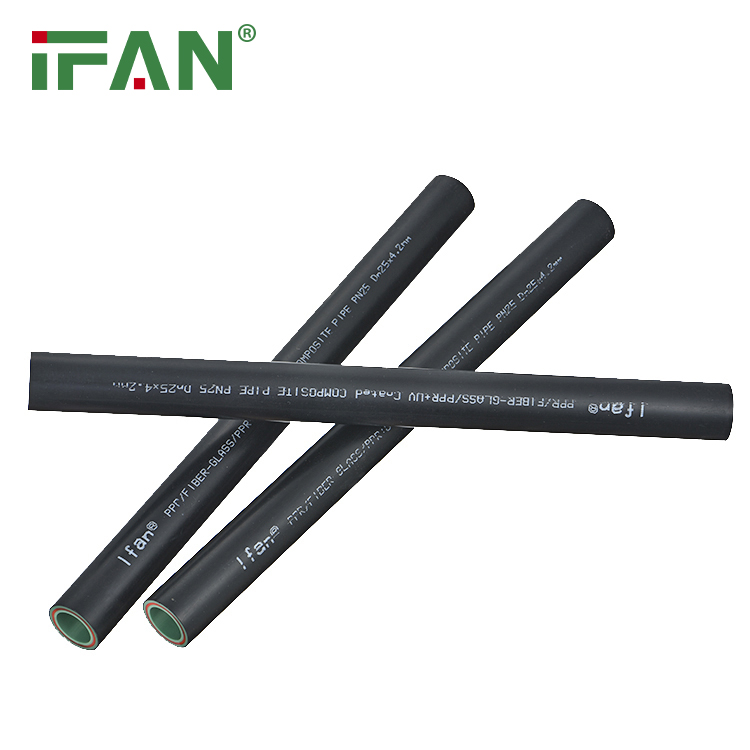
6. Industry Certifications
PPR fiberglass pipes often carry industry certifications, further confirming their adherence to international standards and regulations. Certifications, such as ISO 9001 for quality management systems and ISO 14001 for environmental management systems, demonstrate that the manufacturing processes and product quality are consistently maintained. Additionally, certifications from recognized bodies, such as UL, CE, and CSA, provide assurance that PPR fiberglass pipes meet specific safety and performance requirements across different regions.
Conclusion
PPR fiberglass pipes stand out for their compliance with international standards and regulations. From manufacturing standards to material quality, pressure and temperature ratings, chemical resistance, potable water compliance, and industry certifications, these pipes meet the stringent requirements demanded by various industries. Choosing PPR fiberglass pipes ensures that projects meet safety guidelines, regulatory compliance, and industry best practices. The adherence to international standards and regulations guarantees the reliability, durability, and performance of PPR fiberglass pipes, making them a trusted choice for a wide range of applications.