Brass is a commonly used material in the manufacture of valves due to its unique properties that make it an ideal choice for various applications. Apart from being aesthetically appealing, brass valves serve numerous functions in various industries such as plumbing, HVAC systems, oil and gas, and transportation, among others. In this article, we explore the reasons why brass is used in valves.
- Corrosion Resistance
Brass is a copper and zinc alloy that contains approximately 63% copper and 37% zinc. Copper, one of the primary constituents of brass, is renowned for its corrosion resistance, making brass equally resistant to corrosion. Brass valves are highly resistant to corrosion in both freshwater and saltwater applications. This resistance to corrosion is imperative in preventing valve damage, leaks, and possible contamination of the substance being transported or controlled by the valve.
Excellent Thermal Conductivity
Apart from corrosion resistance, brass has high thermal conductivity, which is essential in applications where temperature control is crucial. Valves used in HVAC systems and industrial processes require reliable temperature control features to prevent overheating and freeze-ups. Brass valves can handle high temperatures in both cold and hot water systems, making them ideal for various applications, including thermodynamic processes, where temperature control is critical.
- Malleability and Ductility
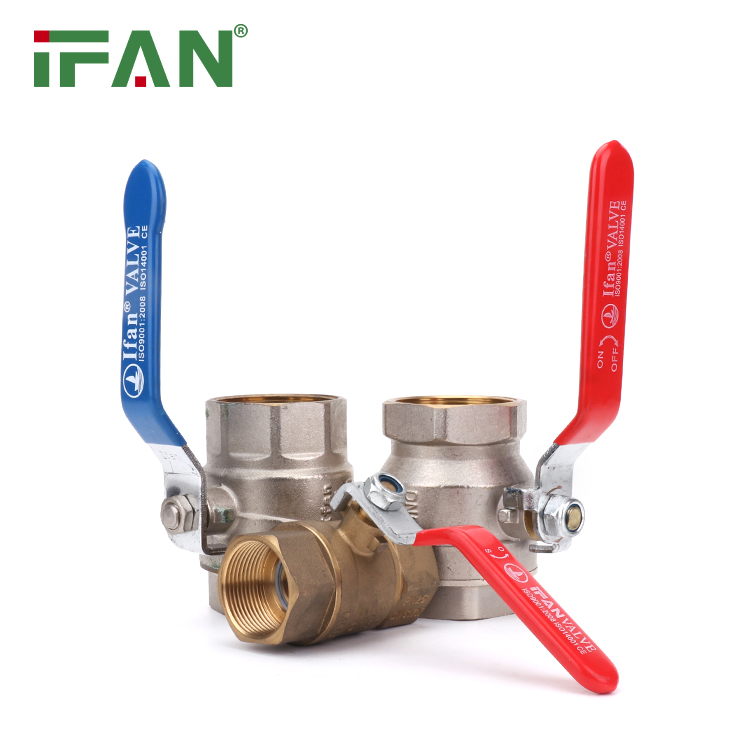
One of the striking features of brass is its malleability and ductility, making it highly formable. Brass valves can be molded into diverse configurations, making them the go-to option for customization in the valve manufacturing industry. The malleability of brass also makes the valves easy to form or bend to fit a particular design requirement. This property makes brass valves easy to install, saving installation time and reducing the likelihood of the valve breaking during installation.
Strength and Durability
Strength is another important property of brass. Brass valves exhibit high strength and durability, making them ideal for high-pressure and high-temperature applications. Brass has a higher tensile strength than plastic or aluminum alloys, which makes it less likely to deform or crack under extreme pressure. The durability of brass valves is essential in ensuring that the valves perform well in harsh environments, making them highly reliable.
- Ease of Machining
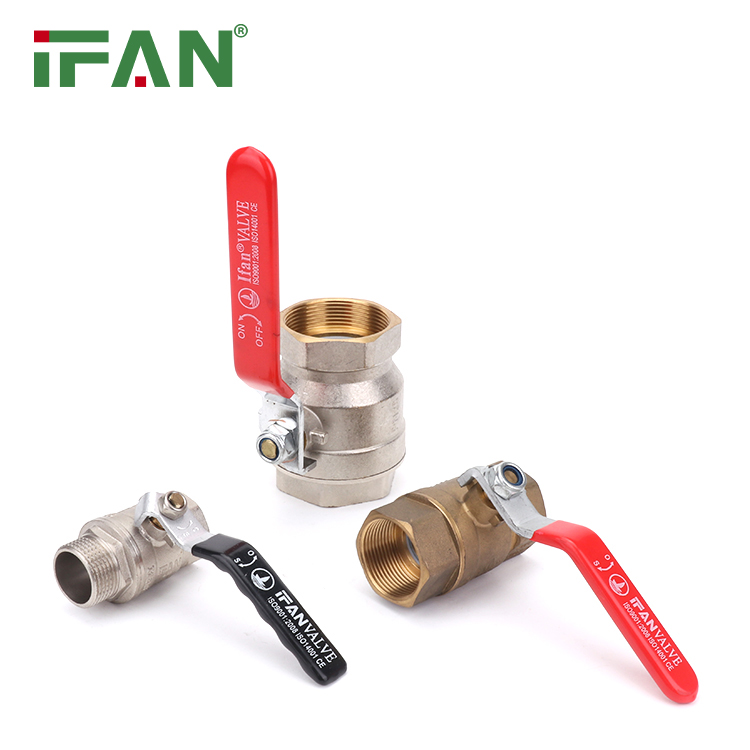
Brass is easy to machine, making it an economical material to manufacture valves. The ease of machining makes it easier to produce complex shapes that ensure the valves function optimally in various applications. The machinability of brass also makes it easier to drill and tap threads on the valve body, enabling the valve to connect better with other components in the system. The use of brass in valve manufacturing also ensures that the manufacturing process is cost-effective since it reduces the need for additional processing.
Aesthetic Appeal
The golden color of brass adds to the aesthetic appeal of valves, making them ideal for applications where appearance matters. Brass valves can come in polished or brushed finishes, giving them an elegant look. This property makes them the ideal choice for applications such as decorative plumbing fixtures in hotels, spas, and high-end homes. The aesthetic appeal of brass valves also provides better value for money, as the valves can offer both functionality and elegance in a single package.
- Excellent Chemical Resistance
Brass valves exhibit excellent chemical resistance, making them ideal for use in applications with corrosive or toxic substances. They can withstand corrosion even in chemical environments with high acidity or alkalinity. The chemical resistance of brass valves is imperative in preventing leaks and ensuring the substances being controlled by the valve are safe. Furthermore, brass valves are ideal for use in the petroleum industry, where they can handle many aggressive fluids and chemicals being transported through pipelines.
Conclusion
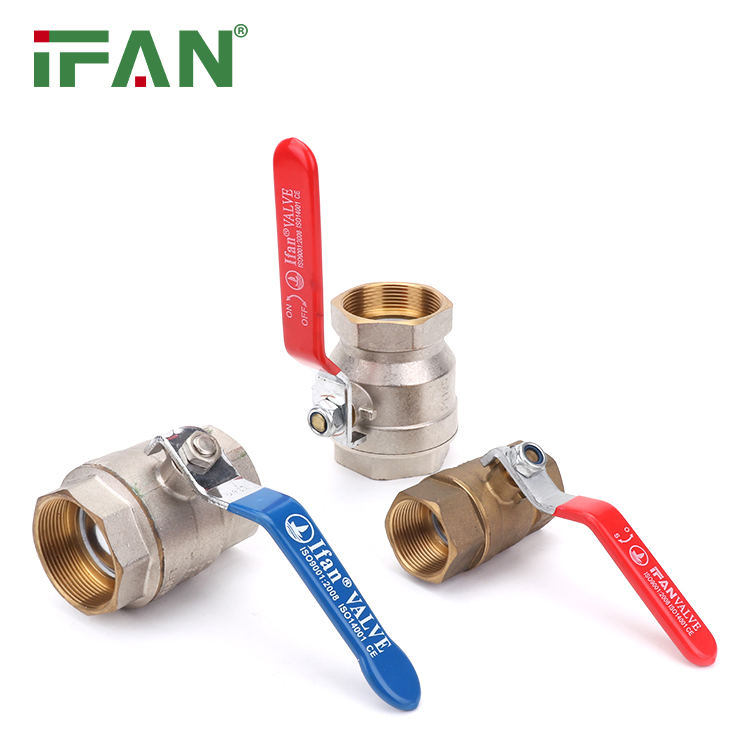
Brass is an excellent material used in valve manufacturing due to its unique properties, including durability, malleability, and excellent corrosion resistance. Valves made from brass can withstand high temperatures, making them ideal for use in thermodynamic processes and HVAC systems. Besides, brass valves offer aesthetic appeal, making them excellent for use in top-of-the-line plumbing systems and decorative fixtures. As a result, the use of brass in valve manufacturing saves costs and offers better value for money.