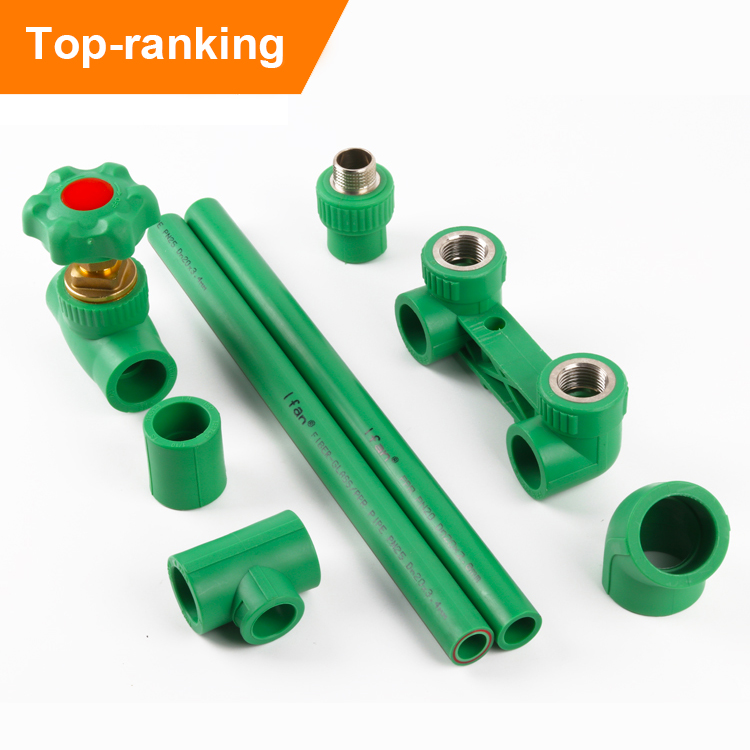
The Advantages of PPR Fittings: Durability and Longevity
Introduction
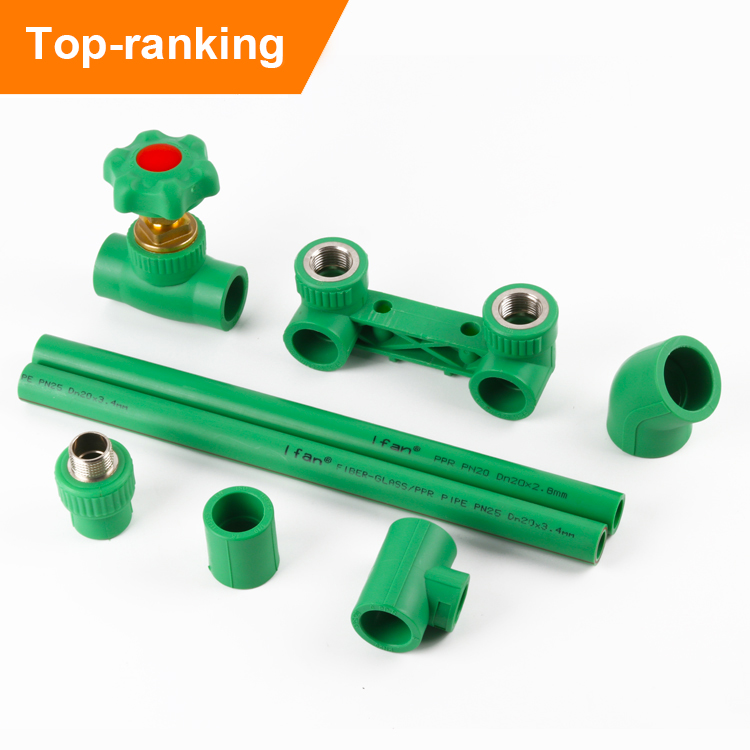
PPR fittings, made from polypropylene random copolymer, offer numerous advantages over traditional plumbing materials. In this article, we will focus on the durability and longevity benefits of PPR fittings. Understanding these advantages will help you make an informed decision when choosing plumbing materials for your system. Let’s explore the durability and longevity aspects of PPR fittings in detail.
1. Resistance to Corrosion and Chemicals
One of the key advantages of PPR fittings is their resistance to corrosion and chemicals. Unlike traditional materials such as copper or galvanized steel, PPR fittings do not corrode over time. They are highly resistant to various corrosive substances found in water and plumbing systems, ensuring the longevity of the fittings. Additionally, PPR fittings are resistant to chemical degradation, making them suitable for use in diverse plumbing applications.
2. High-Temperature Resistance
PPR fittings excel in their ability to withstand high temperatures. Whether it is hot water distribution or exposure to external heat sources, PPR fittings remain stable and do not deform or degrade. They can withstand temperatures up to 95 degrees Celsius, which is well-suited for residential, commercial, and industrial plumbing systems. This high-temperature resistance ensures the durability and longevity of the fittings, even in demanding applications.
3. Resistance to Low Temperatures
In addition to high-temperature resistance, PPR fittings also exhibit excellent resistance to low temperatures. They remain stable and do not become brittle in cold environments, making them suitable for both indoor and outdoor plumbing installations. The resistance to low temperatures ensures that PPR fittings can withstand freezing conditions without cracking or breaking, further enhancing their durability and longevity.
4. UV Resistance
PPR fittings offer inherent UV resistance, making them suitable for outdoor plumbing applications. Exposure to sunlight and UV radiation can degrade certain materials over time. However, PPR fittings retain their structural integrity and performance even when exposed to UV rays, ensuring their longevity in outdoor plumbing systems. This UV resistance eliminates the need for additional protective measures and maintenance, reducing long-term costs.
5. Reduced Maintenance and Repair
The durability of PPR fittings results in significantly reduced maintenance and repair requirements. Unlike traditional materials that may require regular inspections, repairs, or replacements due to corrosion or degradation, PPR fittings offer a long-lasting solution. They do not rust, scale, or deteriorate over time, minimizing the need for maintenance interventions. This not only saves time and effort but also reduces costs associated with ongoing maintenance and repairs.
6. Long Lifespan
With their exceptional durability and resistance to various factors, PPR fittings have a long lifespan. The expected lifespan of PPR fittings is typically over 50 years, ensuring reliable and continuous performance for an extended period. This long lifespan eliminates the need for frequent replacements and upgrades, providing a cost-effective and sustainable plumbing solution.
Conclusion
The durability and longevity of PPR fittings make them a superior choice compared to traditional plumbing materials. Their resistance to corrosion, chemicals, high and low temperatures, UV radiation, and the resulting reduced maintenance and repair requirements contribute to their long-lasting performance. By opting for PPR fittings, you can ensure a reliable plumbing system that withstands the test of time and minimizes disruptions and costs associated with maintenance and replacements.