PPR Fittings: Easy Installation and Maintenance
Introduction
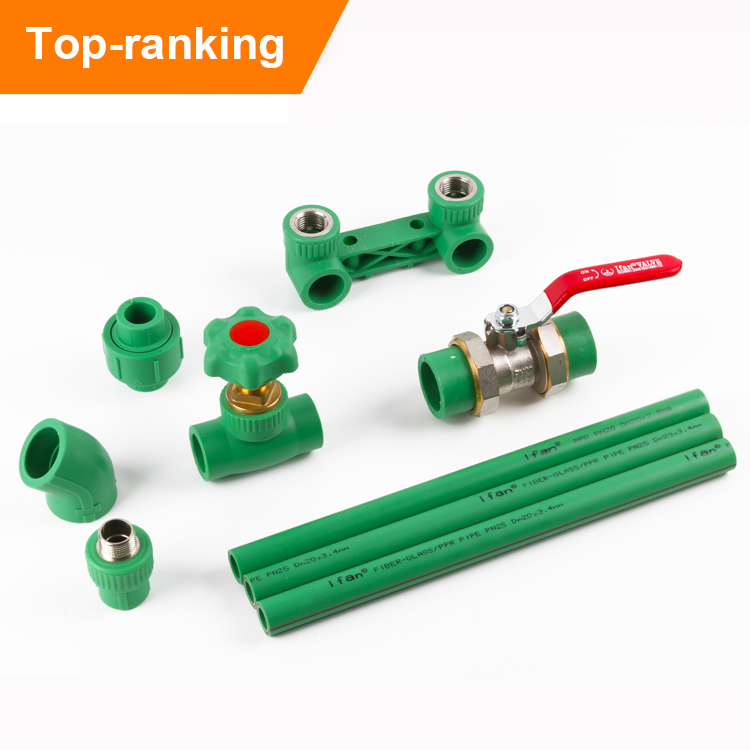
When it comes to plumbing systems, PPR fittings offer not only durability and longevity but also the advantage of easy installation and maintenance. In this article, we will delve into the ease of installation and maintenance provided by PPR fittings. Understanding these benefits will help you make informed decisions when choosing plumbing materials for your system. Let’s explore the ease of installation and maintenance aspects of PPR fittings in detail.
1. Simple and Time-Efficient Installation
One of the primary advantages of PPR fittings is their simplicity and ease of installation. Compared to traditional plumbing materials, such as copper or galvanized steel, PPR fittings require fewer steps and tools for installation. The fittings can be easily joined using heat fusion, requiring minimal training and expertise. This simplicity results in significant time savings during the installation process, making it a preferred choice for both professionals and DIY enthusiasts.
2. Versatile Jointing Methods
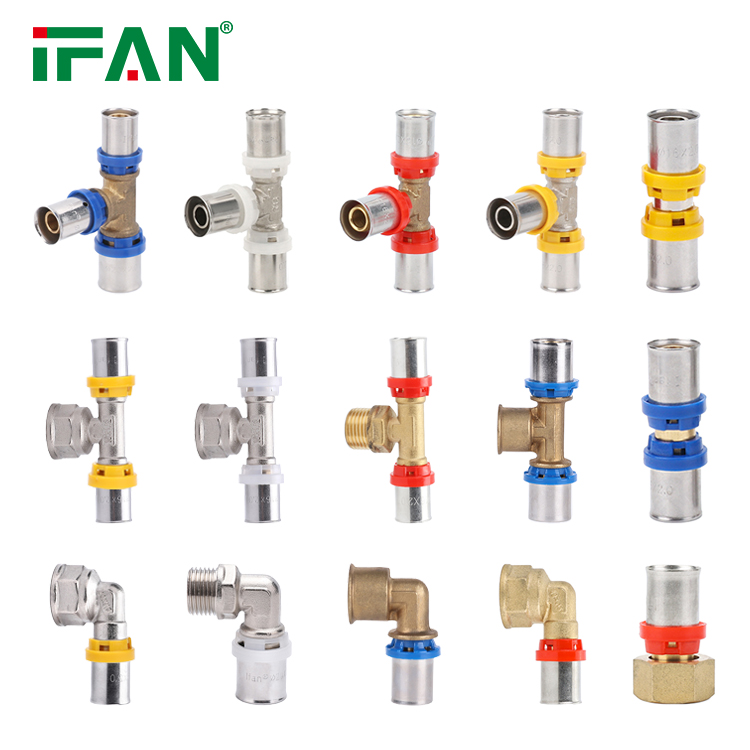
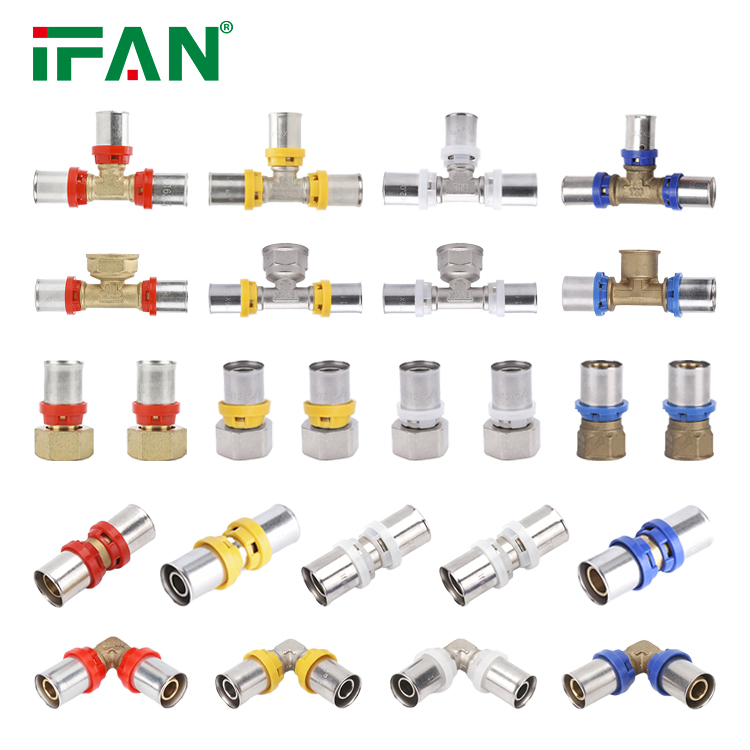
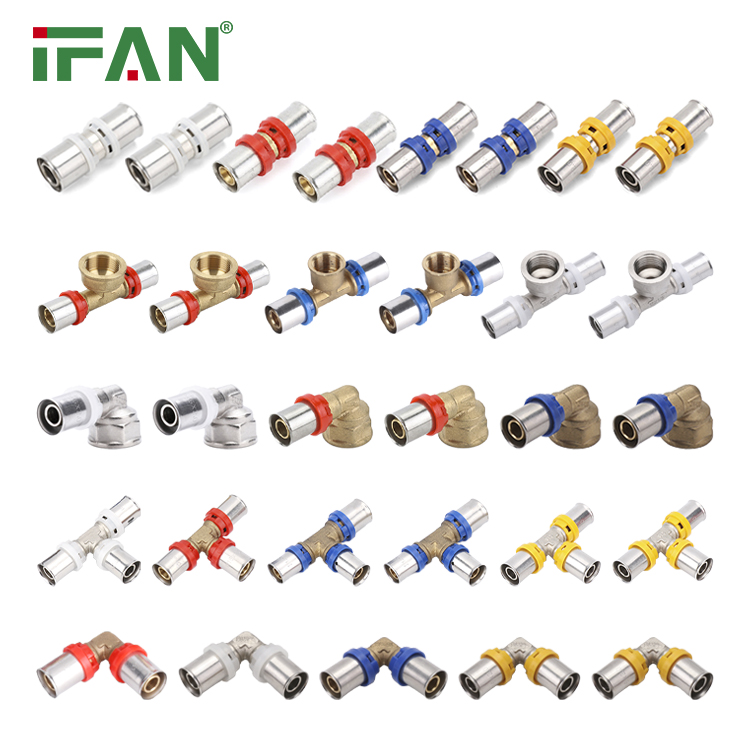
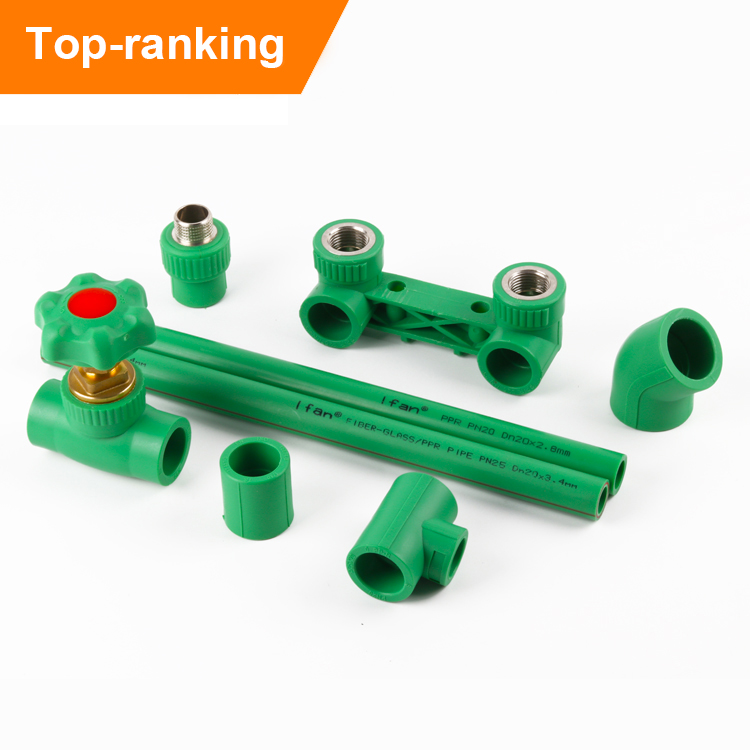
PPR fittings offer versatile jointing methods, providing flexibility in installation. Heat fusion is the most common method used for joining PPR fittings, which involves heating the pipes and fittings to a specific temperature and then pressing them together to create a seamless and leak-free connection. However, PPR fittings also allow for other jointing methods, such as mechanical connections or compression fittings, depending on the specific requirements of the plumbing system. This versatility ensures that PPR fittings can be easily integrated into various plumbing applications.
3. Reduced Risk of Leaks
The seamless and fused connections created by PPR fittings result in a reduced risk of leaks. The heat fusion process ensures a strong and reliable bond between the fittings and pipes, eliminating the need for additional sealing materials or soldering. This seamless connection prevents water leakage, providing a secure and efficient plumbing system. The reduced risk of leaks translates to fewer maintenance issues and minimizes the potential for water damage in the long run.
4. Easy Maintenance and Repairs
Maintaining and repairing PPR fittings is a hassle-free process. In the event of a problem, such as a damaged fitting or a blocked pipe, PPR fittings can be easily accessed and replaced without extensive disruption to the plumbing system. The ability to disassemble and reassemble the fittings simplifies maintenance and repairs, allowing for quick resolution of issues. This ease of maintenance and repairs results in minimal downtime, ensuring the smooth functioning of the plumbing system.
5. Chemical and Scale Resistance
PPR fittings exhibit excellent resistance to chemical corrosion and scaling. Unlike traditional materials that may be prone to corrosion or scaling over time, PPR fittings remain unaffected by the chemicals and minerals present in water. This resistance reduces the need for frequent cleaning or descaling, simplifying maintenance requirements. Additionally, the smooth interior surface of PPR fittings minimizes the accumulation of debris and sediment, further reducing the need for maintenance interventions.
6. Cost-Effective Solution
The ease of installation and maintenance provided by PPR fittings contributes to a cost-effective plumbing solution. The reduced installation time, minimal maintenance requirements, and ease of repairs result in lower labor costs and fewer expenses associated with ongoing maintenance and repairs. Furthermore, the durability and longevity of PPR fittings eliminate the need for frequent replacements, providing long-term cost savings.
Conclusion
PPR fittings not only offer durability and longevity but also the advantages of easy installation and maintenance. The simplicity of installation, versatile jointing methods, reduced risk of leaks, easy maintenance and repairs, chemical and scale resistance, and cost-effectiveness make PPR fittings a preferred choice for plumbing systems. By choosing PPR fittings, you can enjoy a hassle-free installation process, simplified maintenance, and long-term cost savings.