Ensuring Leak-Free Joints with PPR Fittings
Introduction
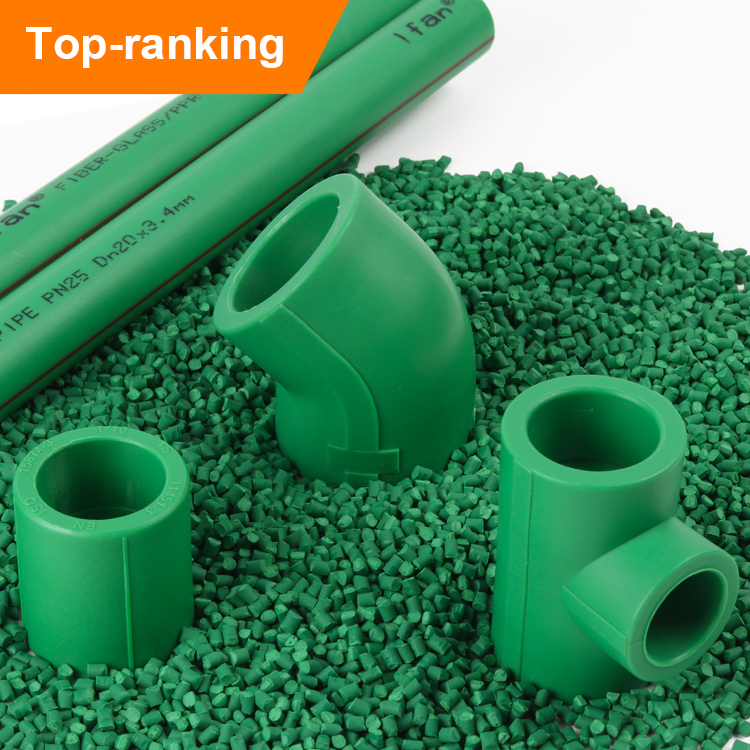
Leak-free joints are crucial in plumbing systems to prevent water wastage, property damage, and costly repairs. PPR fittings, made from polypropylene random copolymer, offer an effective solution for achieving leak-free connections. In this article, we will explore the factors that contribute to leak-free joints with PPR fittings and how they ensure the integrity and efficiency of plumbing systems. Let’s delve into the details of how PPR fittings guarantee leak-free joints.
1. Heat Fusion Welding
The heat fusion welding technique is the key to creating leak-free joints with PPR fittings. This method involves joining PPR pipes and fittings by heating them to their melting point and then fusing them together. The melted material solidifies upon cooling, forming a seamless and strong joint. Heat fusion welding eliminates the need for additional sealing materials, such as adhesives or sealants, which can degrade over time and lead to leakage. The fusion welding process ensures a permanent and leak-free connection, even in demanding plumbing applications.
2. Precision Engineering
PPR fittings are precision-engineered to provide precise dimensions and accurate alignment during installation. This precision ensures that the pipes and fittings align correctly, allowing for a secure and tight joint. The accurate dimensions and alignment of PPR fittings minimize the potential for gaps or misalignments that can contribute to leaks. By maintaining tight tolerances, PPR fittings guarantee a reliable and leak-free joint, ensuring optimal water flow and system efficiency.
3. Compression Resistance
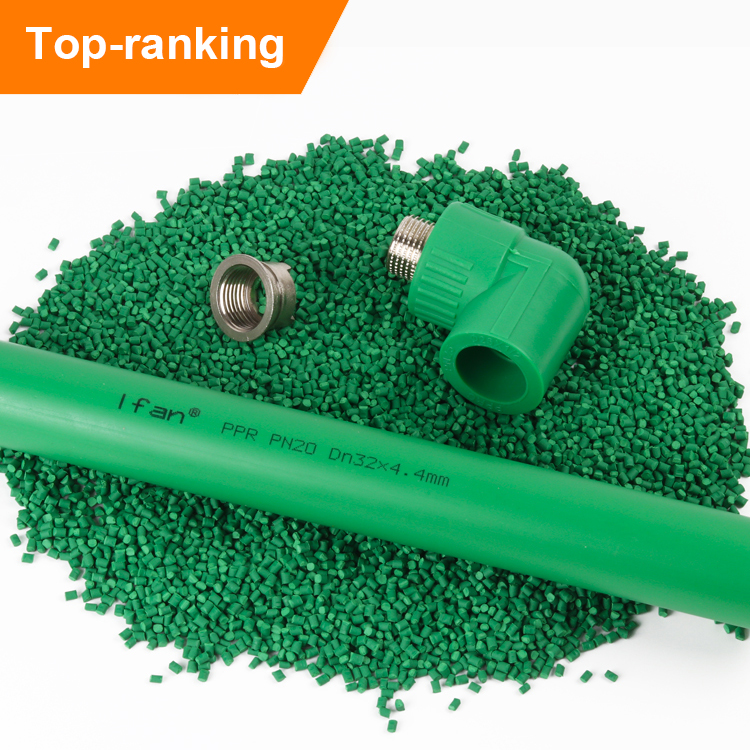
PPR fittings possess excellent compression resistance, which plays a crucial role in ensuring leak-free joints. When properly installed, the compression resistance of PPR fittings allows them to withstand the pressure exerted by the flowing water. This resistance prevents the fittings from deforming or loosening over time, which could lead to leaks. The robust nature of PPR fittings, combined with their compression resistance, ensures a secure and leak-free joint, maintaining the integrity of the plumbing system.
4. Compatibility and Interchangeability
PPR fittings are designed to be compatible and interchangeable, allowing for easy installation and modification. The standardized dimensions and configurations of PPR fittings ensure that they can be seamlessly connected to each other without the need for additional modifications or adapters. This compatibility and interchangeability contribute to leak-free joints by eliminating potential weak points or areas of incompatibility that could lead to leaks. The ease of installation and modification with PPR fittings further enhances the efficiency and reliability of plumbing systems.
5. Quality Control and Certification
Manufacturers of PPR fittings adhere to strict quality control measures to ensure the reliability and performance of their products. PPR fittings undergo rigorous testing and certification processes to meet industry standards and regulations. These quality control measures and certifications ensure that PPR fittings are free from defects and have passed stringent tests for leak resistance. By using certified PPR fittings, plumbers and homeowners can have confidence in the quality and leak-free performance of their plumbing joints.
6. Longevity and Low Maintenance
The leak-free joints achieved with PPR fittings contribute to the longevity and low maintenance requirements of plumbing systems. With leak-free connections, the risk of water damage and costly repairs is minimized. The durable nature of PPR fittings also eliminates the need for frequent replacements or maintenance, reducing downtime and associated costs. By ensuring leak-free joints, PPR fittings provide a reliable and long-lasting solution for plumbing systems.
Conclusion
PPR fittings offer a dependable solution for achieving leak-free joints in plumbing systems. Through heat fusion welding, precision engineering, compression resistance, compatibility, quality control, and certification, PPR fittings ensure tight, secure, and reliable connections. With leak-free joints, plumbing systems can operate efficiently, minimizing water wastage and potential damage. By choosing PPR fittings, plumbers and homeowners can have peace of mind knowing that their plumbing joints are leak-free, ensuring the integrity and longevity of their plumbing systems.