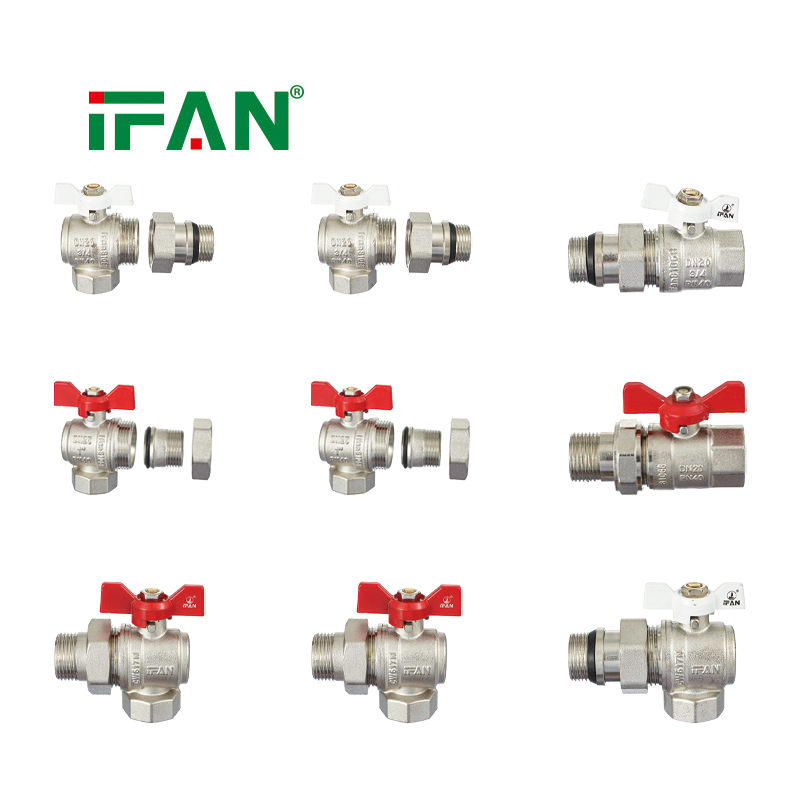
The Evolution of Brass Fittings Through the Ages
Introduction
Brass fittings have played a crucial role in plumbing, construction, and various other industries for centuries. Their durability, corrosion resistance, and malleability have made them a popular choice for connecting pipes, valves, and other components. In this article, we will delve into the evolution of brass fittings, exploring their development and advancements over time.
Ancient Beginnings
The origins of brass fittings can be traced back to ancient civilizations. The Egyptians, around 2,000 BCE, were among the first to discover the unique properties of copper and zinc alloys, which would later be known as brass. Initially used for decorative purposes, these early brass fittings showcased intricate designs and craftsmanship.
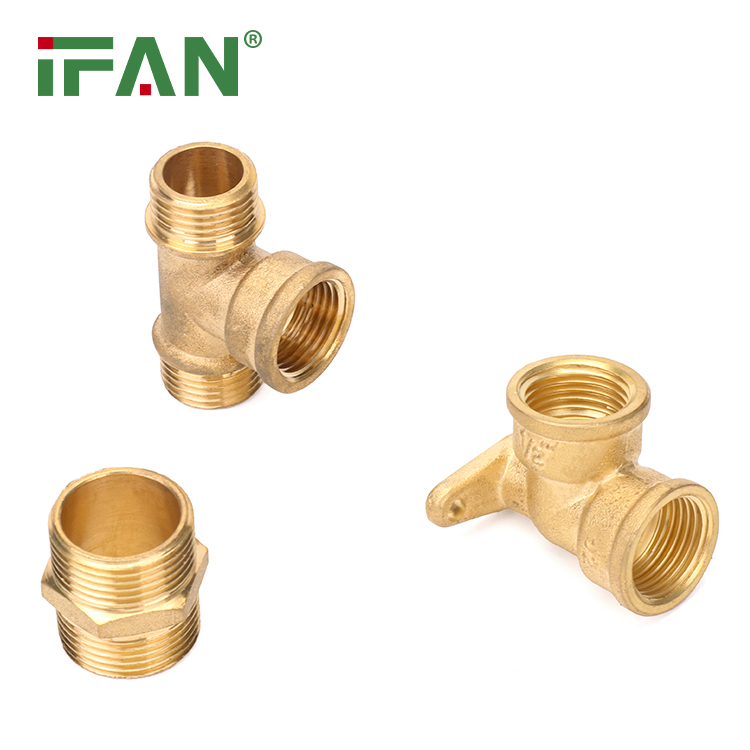
The Roman Influence
With the rise of the Roman Empire, brass fittings gained significant prominence. Roman engineers and craftsmen utilized brass extensively in their plumbing and aqueduct systems. The Romans introduced innovative techniques such as casting, soldering, and brazing, which allowed for the creation of complex and reliable brass fittings.
Medieval Innovations
During the Middle Ages, brass fittings continued to evolve. With advancements in metalworking, artisans began creating more standardized and functional fittings. The development of screw threads in the 15th century further revolutionized the industry, enabling secure connections between pipes and fixtures. These developments paved the way for the widespread use of brass fittings in the emerging plumbing systems of Europe.
Industrial Revolution and Mass Production
The Industrial Revolution of the 18th and 19th centuries brought about significant changes in the manufacturing of brass fittings. With the advent of steam power and advanced machinery, mass production became possible. This led to increased availability and affordability of brass fittings, making them accessible to a broader range of industries and consumers.
Modern Advancements
In the 20th century, brass fittings underwent further advancements. With the discovery of new alloys and manufacturing techniques, the strength and durability of brass fittings improved significantly. The introduction of compression fittings and push-to-connect fittings allowed for quicker and easier installation, reducing the need for complex soldering or threading processes.
Contemporary Applications
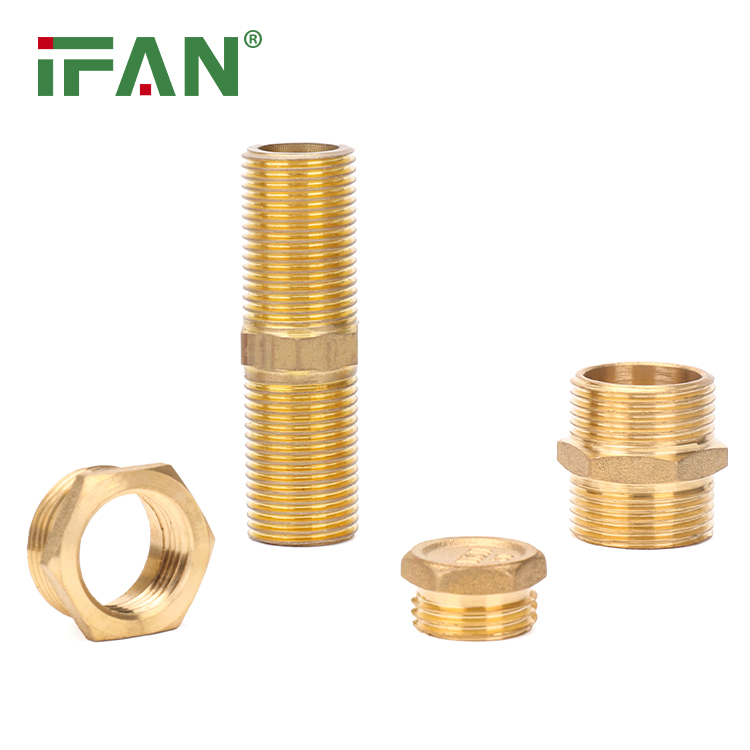
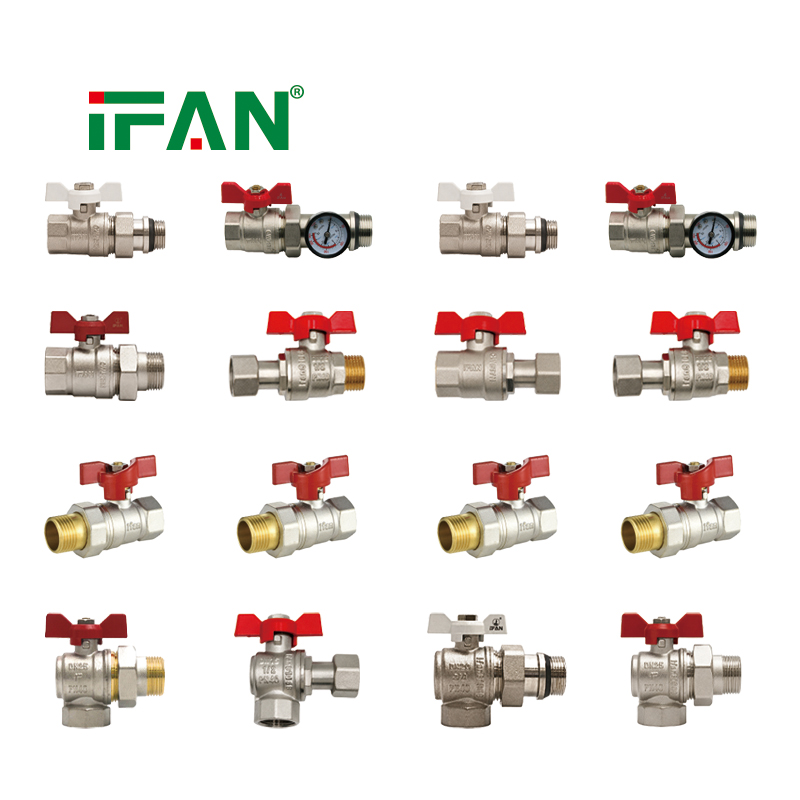
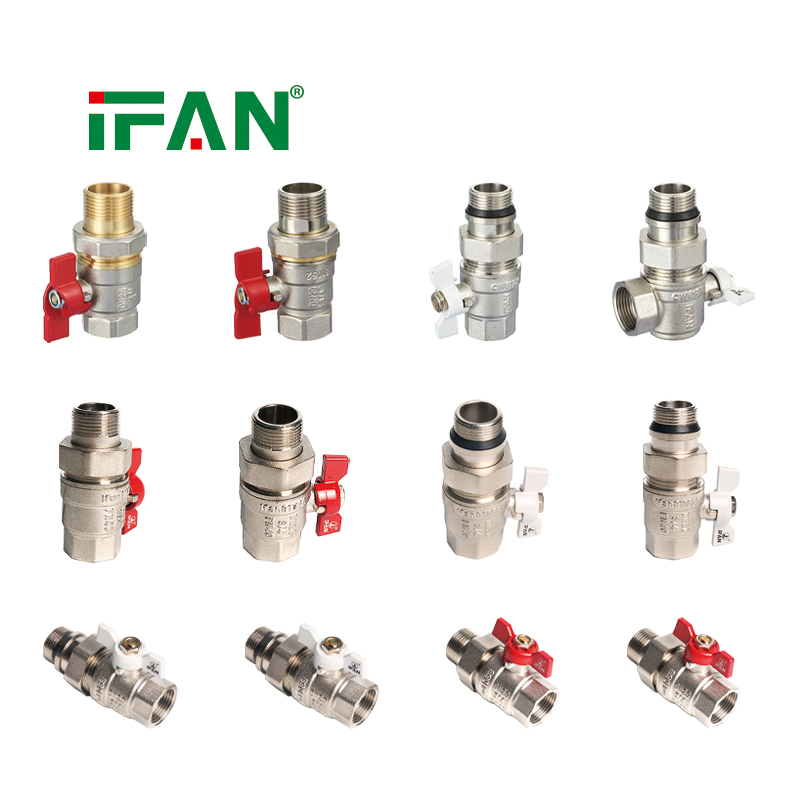
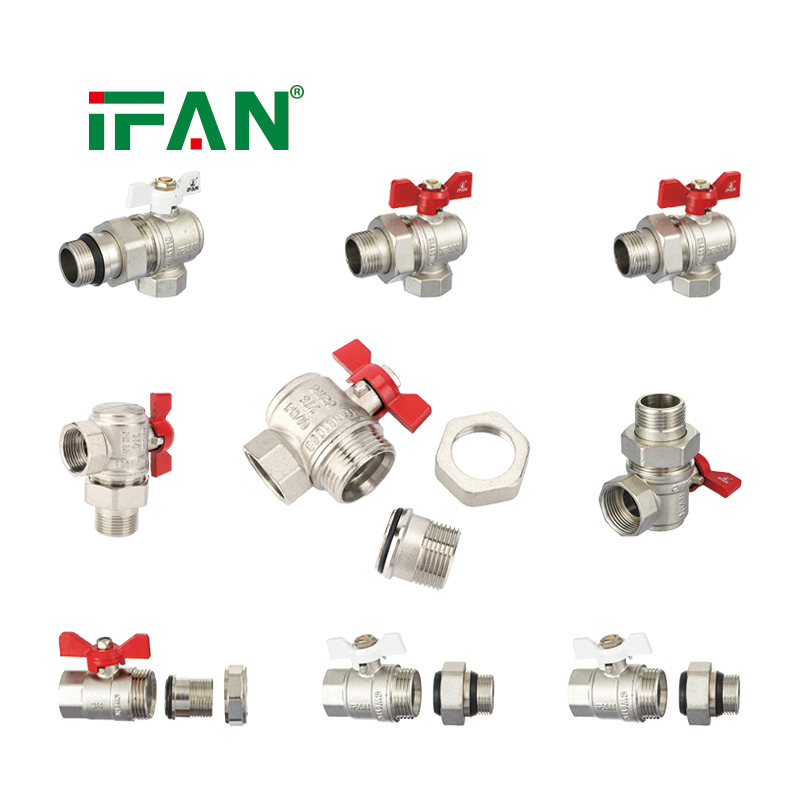
Today, brass fittings continue to be widely used in various industries, including plumbing, HVAC (heating, ventilation, and air conditioning), and automotive. Their ability to resist corrosion, withstand high pressure, and provide a reliable seal makes them indispensable in critical applications. Brass fittings are also favored for their aesthetic appeal, adding a touch of elegance to both residential and commercial settings.
Conclusion
The evolution of brass fittings throughout history showcases the adaptability and enduring nature of this essential component. From their ancient beginnings to modern applications, brass fittings have proven to be integral in facilitating the efficient flow of fluids and gases. As technology advances, it is likely that brass fittings will continue to evolve, providing innovative solutions to meet the ever-changing needs of industries worldwide.