Introduction to Choosing Brass Fittings for Marine Applications
Brass fittings are widely used in marine applications due to their excellent corrosion resistance, durability, and strength. When it comes to selecting the right brass fittings for marine use, there are several factors to consider. In this guide, we will explore these factors and provide you with valuable insights to help you make the best choices for your marine applications.
Corrosion Resistance
One of the most critical considerations when choosing brass fittings for marine applications is their corrosion resistance. The harsh marine environment, with its exposure to saltwater, can quickly corrode metal components. Brass fittings are an ideal choice as they are highly resistant to corrosion and can withstand the corrosive effects of saltwater. When selecting brass fittings for marine use, ensure they have a high corrosion resistance rating to ensure long-lasting performance in this challenging environment.
Material Grade
Brass fittings are available in various material grades, each with its unique characteristics. The most common grades used in marine applications are naval brass and dezincification-resistant brass. Naval brass, composed of copper, zinc, and a small amount of tin, offers excellent corrosion resistance and high strength, making it suitable for marine environments. Dezincification-resistant brass, on the other hand, contains additional elements like arsenic or aluminum, which enhance its resistance to dezincification, a form of corrosion that can occur in brass fittings exposed to certain seawater compositions. Consider the specific requirements of your marine application and choose the appropriate material grade accordingly.
Fitting Type and Size
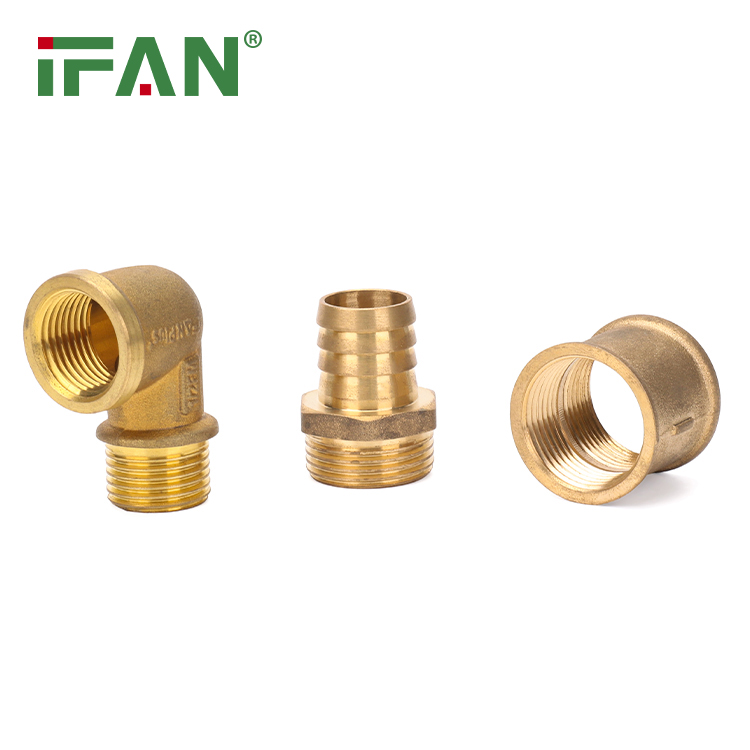
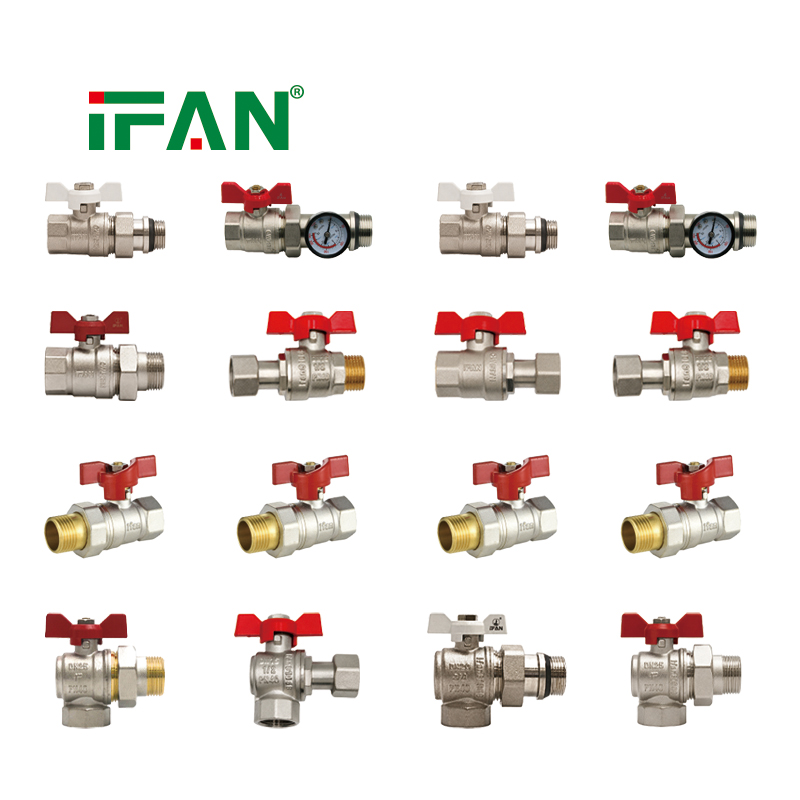
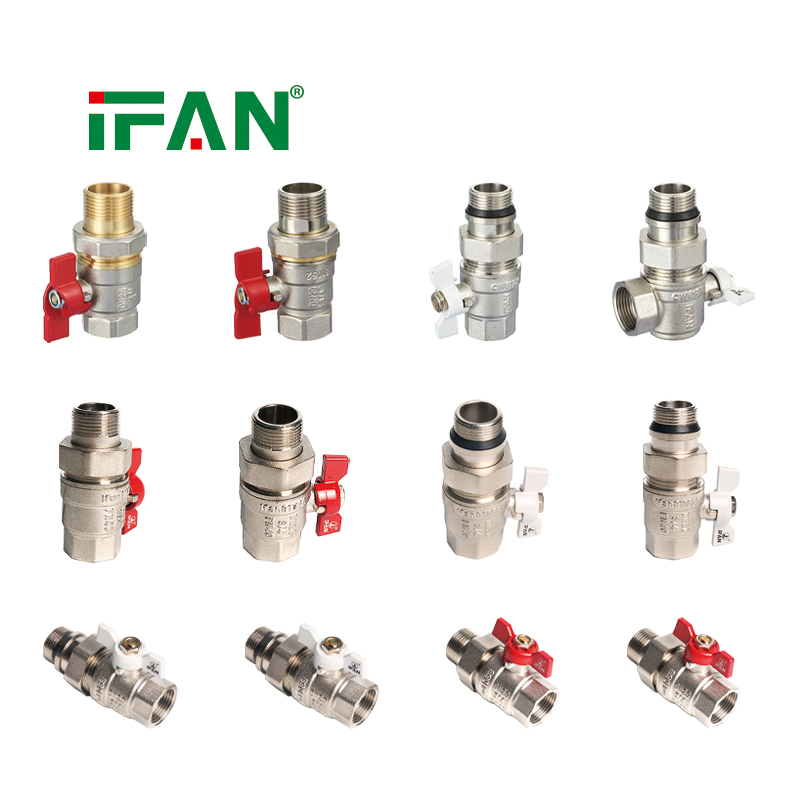
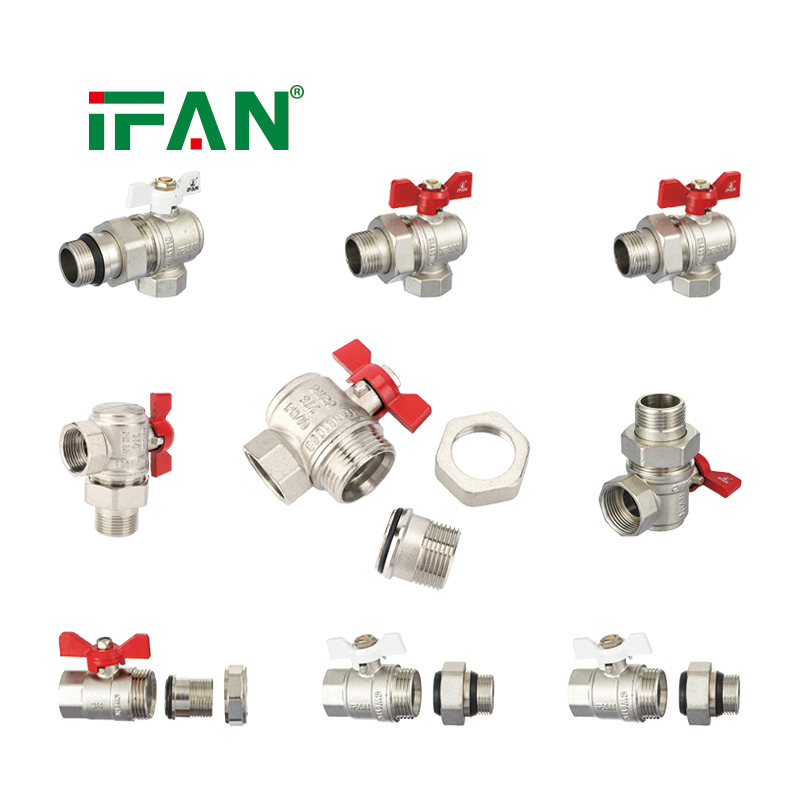
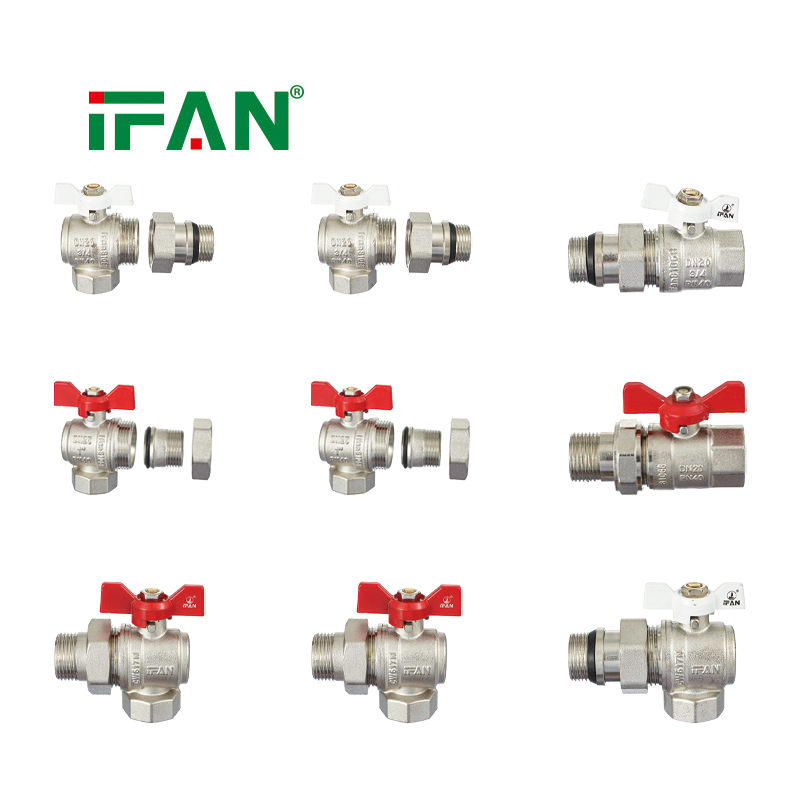
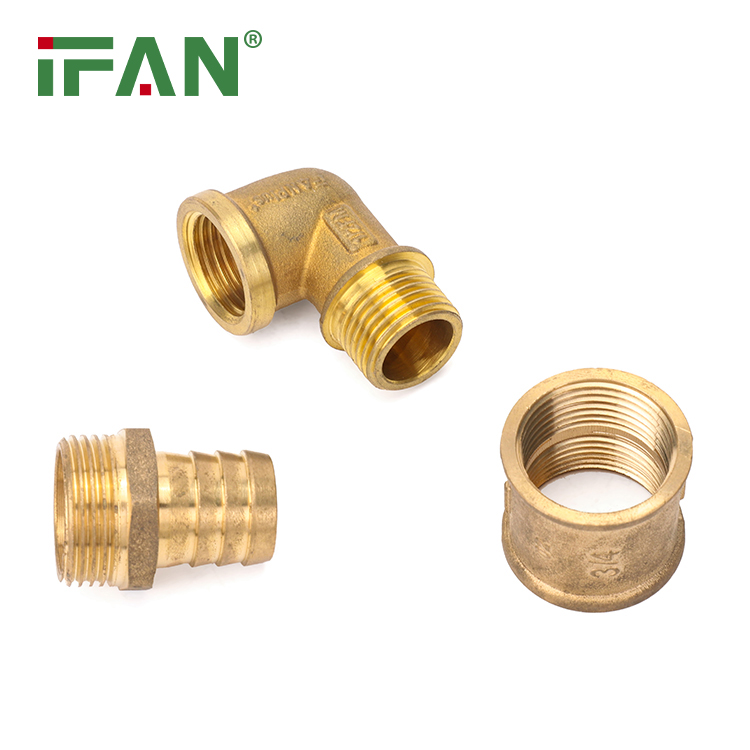
Another crucial aspect to consider is the type and size of the brass fittings required for your marine application. Common types of fittings include elbows, tees, adapters, couplings, and valves. Each fitting type serves a specific purpose and can be used to connect different components of the marine system. It is essential to understand the system requirements and choose the fitting types that will provide the necessary connections and functionality. Additionally, ensure that the fittings are available in the correct sizes to suit your system’s specifications.
Thread Type
The thread type of brass fittings is vital for ensuring a proper and secure connection. The two most common thread types used in marine applications are NPT (National Pipe Thread) and BSP (British Standard Pipe). NPT threads are commonly used in North America, while BSP threads are more prevalent in Europe and other regions. When selecting brass fittings, ensure they have the correct thread type compatible with your system’s existing components to facilitate easy installation and prevent leaks.
Quality and Certification
When choosing brass fittings for marine applications, it is crucial to consider the quality and certification of the products. Look for fittings that meet industry standards, such as those certified by organizations like the American Bureau of Shipping (ABS) or the International Organization for Standardization (ISO). These certifications ensure that the fittings have undergone rigorous testing and meet the required standards for marine use. Additionally, opt for fittings from reputable manufacturers known for their quality and reliability, as this will ensure the longevity and performance of the fittings in your marine system.
Conclusion
Choosing the right brass fittings for marine applications is essential to ensure optimal performance, reliability, and longevity in the harsh marine environment. Consider factors such as corrosion resistance, material grade, fitting type and size, thread type, and quality certifications. By carefully evaluating these considerations, you can make informed decisions and select brass fittings that will meet the specific requirements of your marine application and provide reliable performance for years to come.