Brass Fittings for Food and Beverage Industry Plumbing: Meeting Strict Health and Safety Standards
At the forefront of one of the world’s most demanding industries, the food and beverage industry is constantly striving to meet strict health and safety standards. The plumbing systems that provide vital support for manufacturing, processing, and distribution require the best components possible. Brass fittings have proven to be an excellent choice to meet the high demands of the industry.
Brass fittings for food and beverage industry plumbing have become a preferred material due to its unique properties. Brass is a highly durable material that resists corrosion, which is essential when dealing with food and beverage products. The material is also malleable and easy to manufacture, offering a reliable and efficient solution for complex plumbing systems.
Furthermore, brass fittings are easy to clean, and their smooth surface makes it an ideal solution to maintain hygiene daily. In an industry where cleanliness is vital to prevent the spread of foodborne diseases, brass fittings are an effective solution to keep the water supply clean and safe.
The use of brass fittings meets stringent requirements set by industry standards. In particular, regulatory organizations such as the United States Food and Drug Administration (FDA) and the European Union Food Safety Authority have approved the use of brass fittings in the food and beverage industry. As a result, this has also led to an increase in the adoption of brass fittings in plumbing systems around the world.
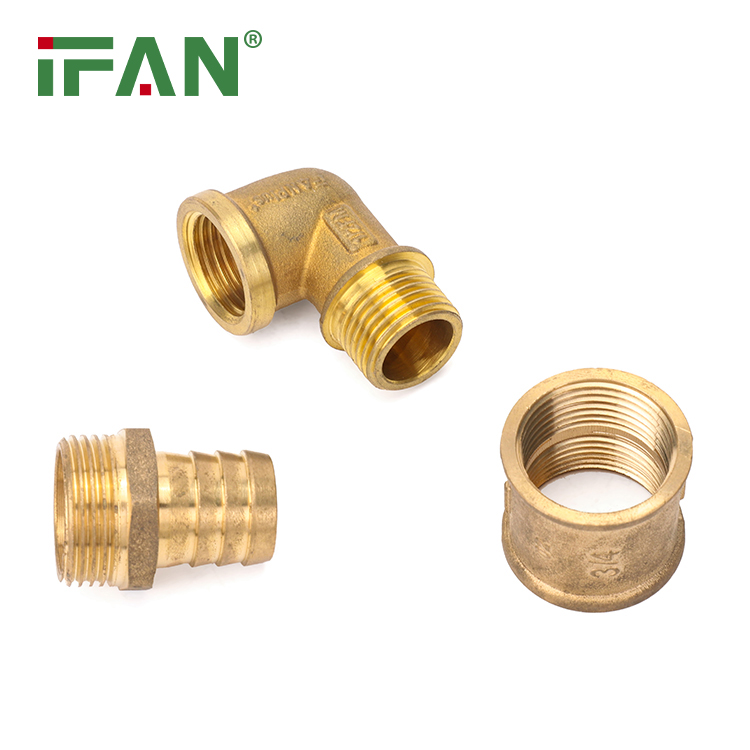
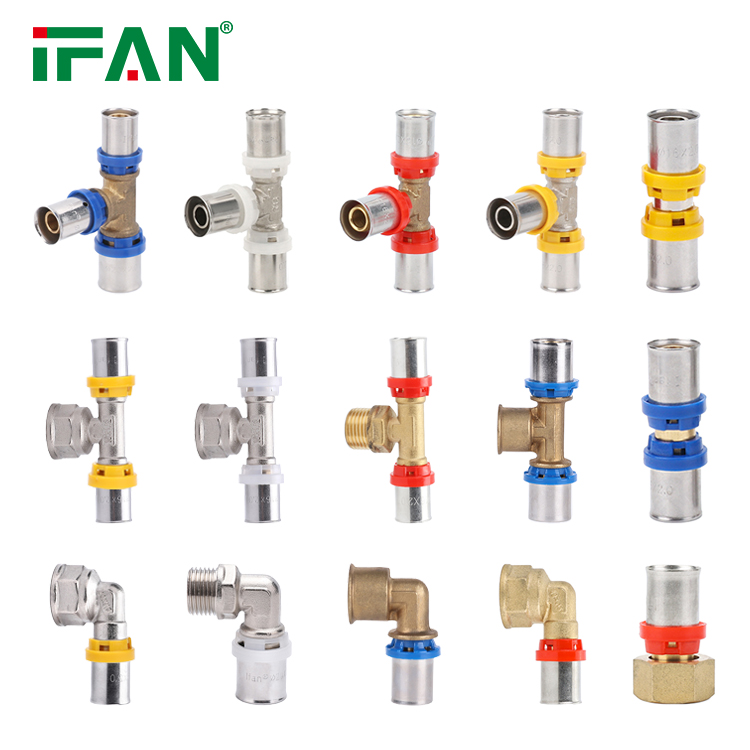
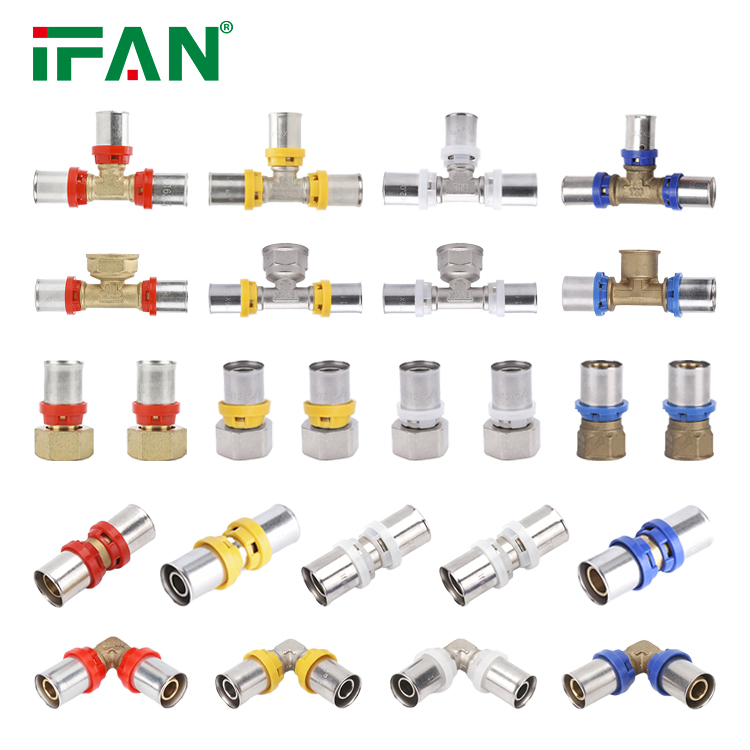
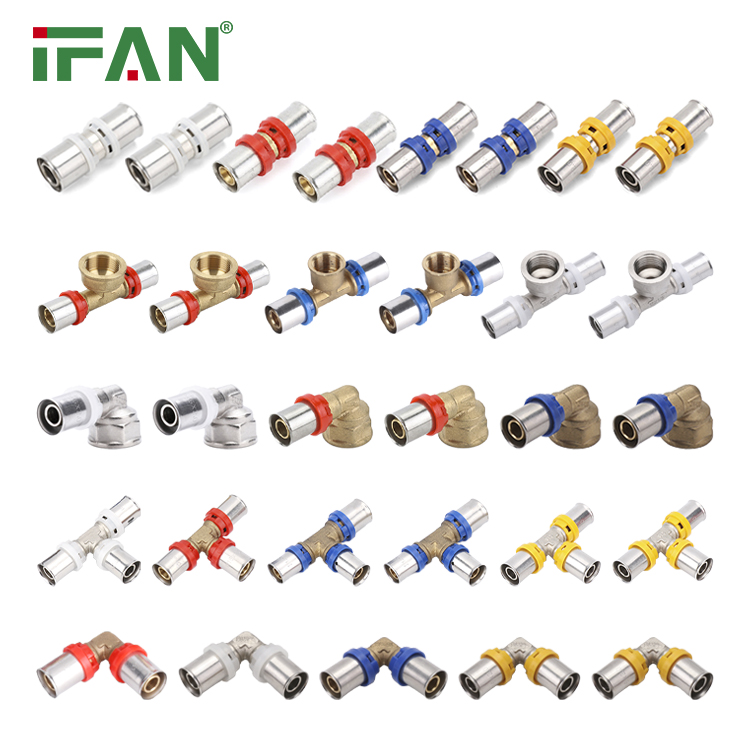
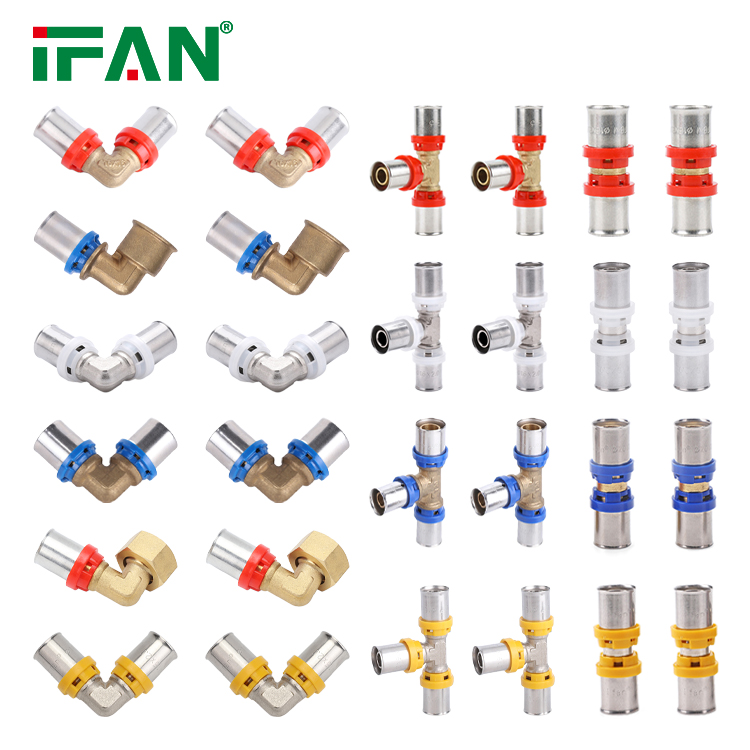
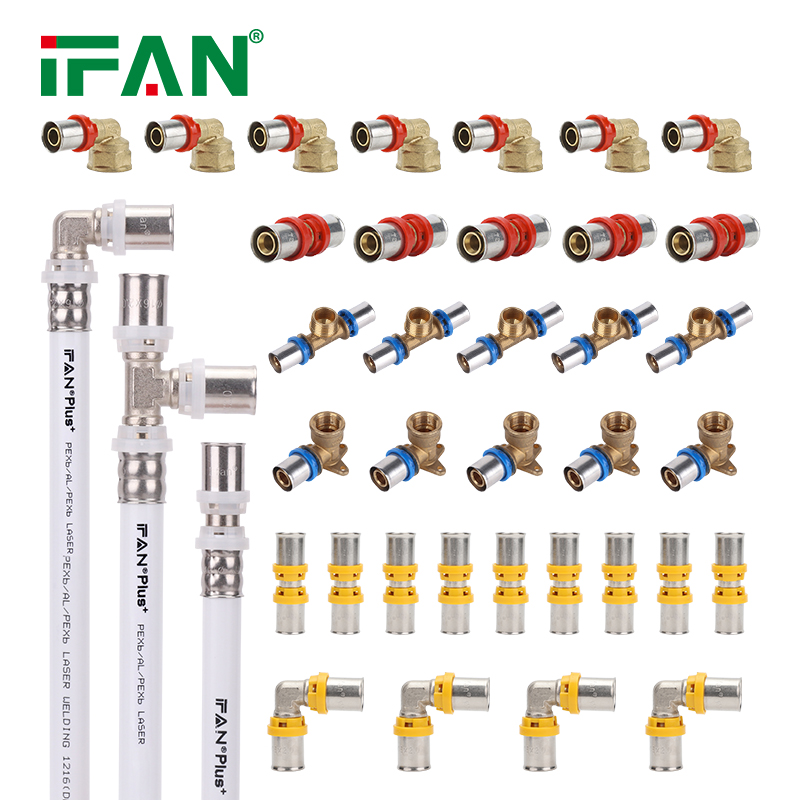
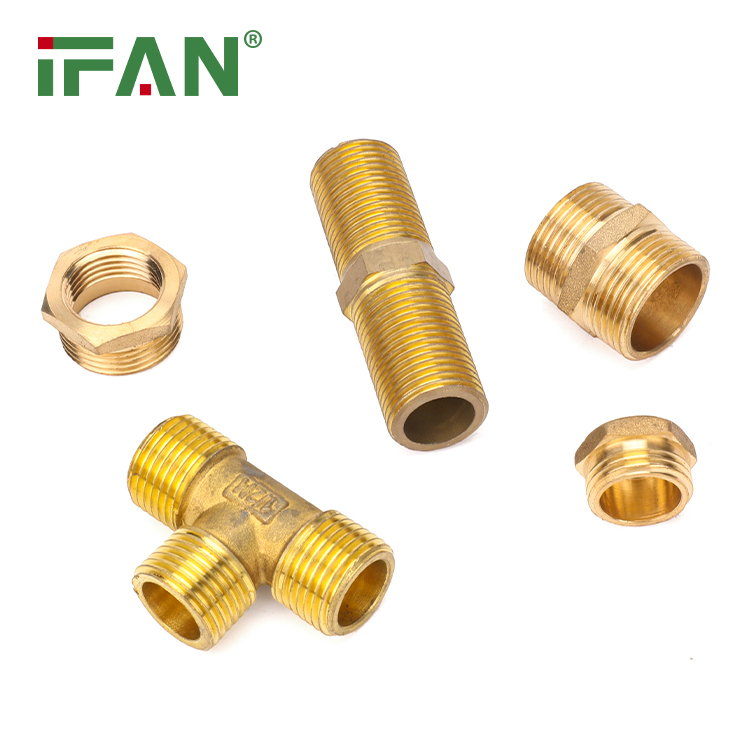
The use of brass fittings extends beyond traditional plumbing applications. Manufacturers have developed specialized fittings for use in the food and beverage industry, such as threaded couplings, elbows, tees, and valves, to meet the specific needs of the industry. These fittings are more reliable, efficient, and more durable, which makes them a cost-effective solution.
In conclusion, the use of brass fittings is essential to meet the strict health and safety standards of the food and beverage industry. The durability, reliability, easy-to-clean and corrosion-resistant properties of brass fittings make it an ideal component of quality plumbing systems. As the demand for safe and effective plumbing solutions continues to grow in the food and beverage industry, the use of brass fittings is likely to grow with it.