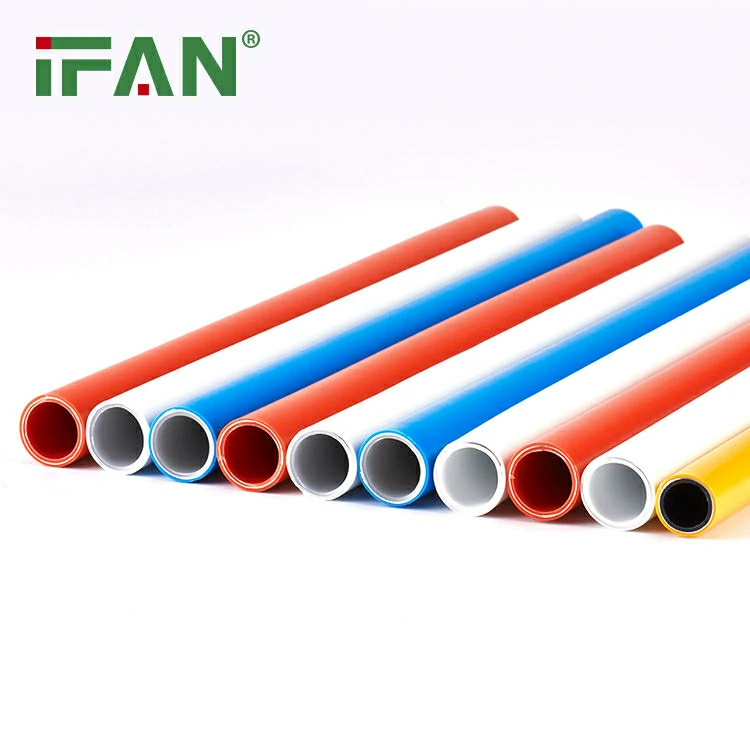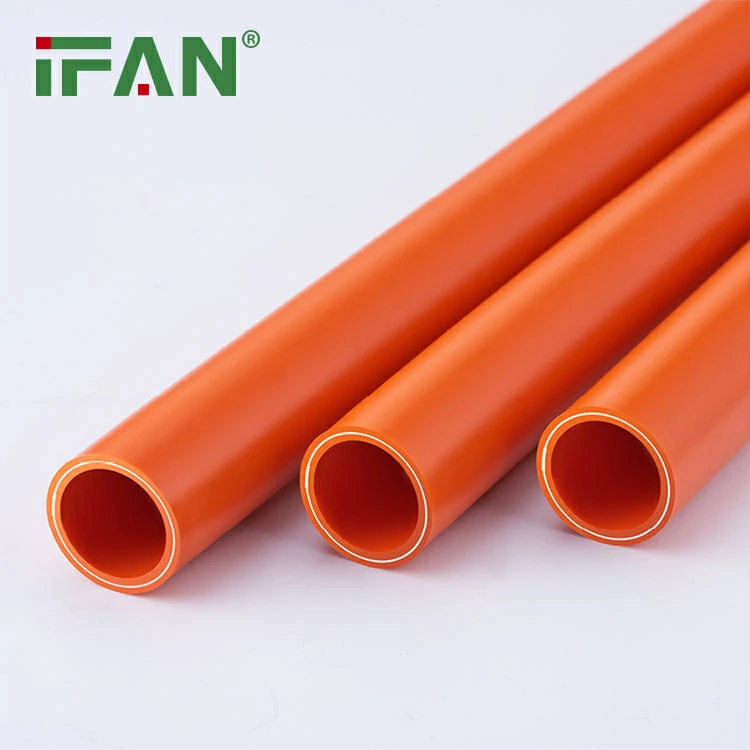
Go Green with PPR Fittings: Eco-Friendly and Efficient
As the world becomes more conscious about the environment, it is important to make choices that are sustainable and eco-friendly. PPR fittings are an excellent option for individuals and businesses looking to reduce their environmental impact.
What are PPR Fittings?
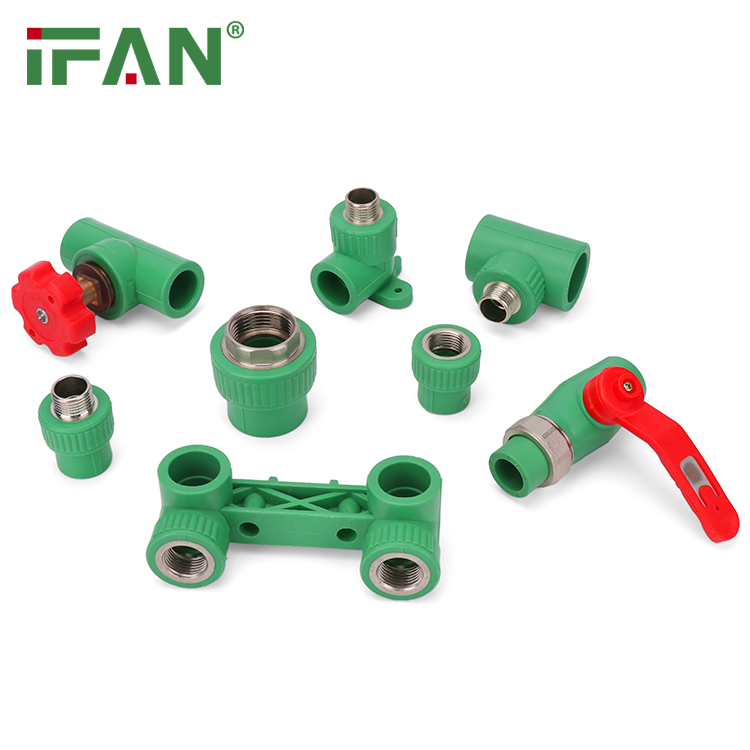
PPR stands for Polypropylene Random Copolymer and is a type of plastic that is used for pipes and fittings. PPR fittings are known for their durability, long lifespan, and resistance to corrosion. They are also easy to install and require less maintenance, making them an ideal option for businesses and individuals looking for an efficient and cost-effective solution.
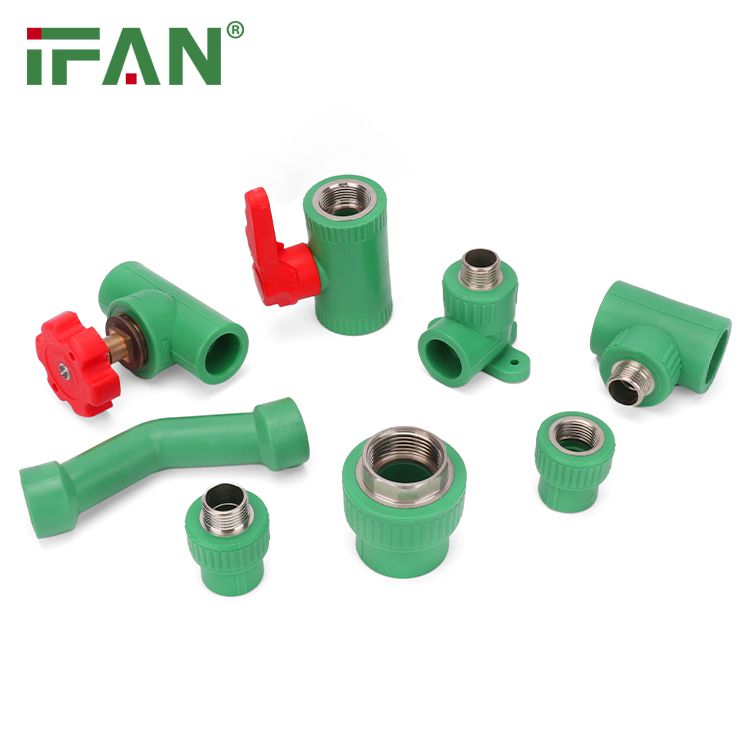
Eco-Friendly
PPR fittings are an eco-friendly option for several reasons. They are made from polypropylene, a material that is 100% recyclable and can be melted and reformed into new products. This means that PPR fittings can be reused or recycled at the end of their lifespan, reducing waste and preventing them from ending up in landfills.
In addition, PPR fittings are environmentally friendly as they do not require any harmful chemicals or solvents during installation. They are also resistant to chemicals and pollutants, making them a safer choice for individuals and businesses looking to reduce their overall environmental impact.
Efficient
PPR fittings are also known for their efficiency. They are designed to provide a reliable and leak-free connection, reducing the risk of water waste and damage to the environment. PPR fittings have a long lifespan and require less maintenance, reducing the need for replacement and further reducing waste.
Furthermore, PPR fittings are designed to withstand high pressures and temperatures, making them an ideal option for a variety of applications. They can be used for hot and cold water systems, as well as for heating and cooling systems.
Conclusion
PPR fittings are an excellent option for individuals and businesses looking to go green. They are eco-friendly, efficient, and cost-effective, making them an ideal solution for a variety of applications. By choosing PPR fittings, we can all do our part to reduce our environmental impact and create a more sustainable future.