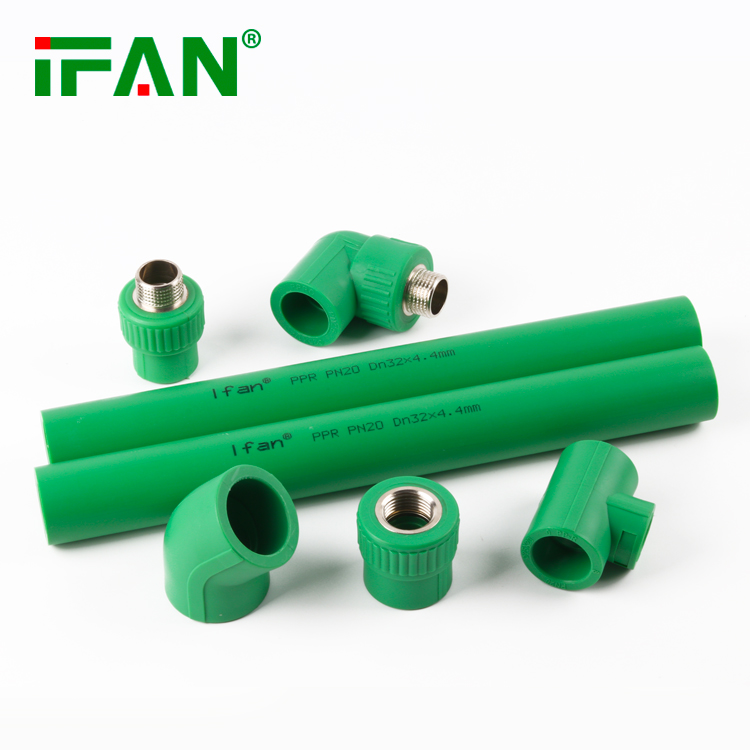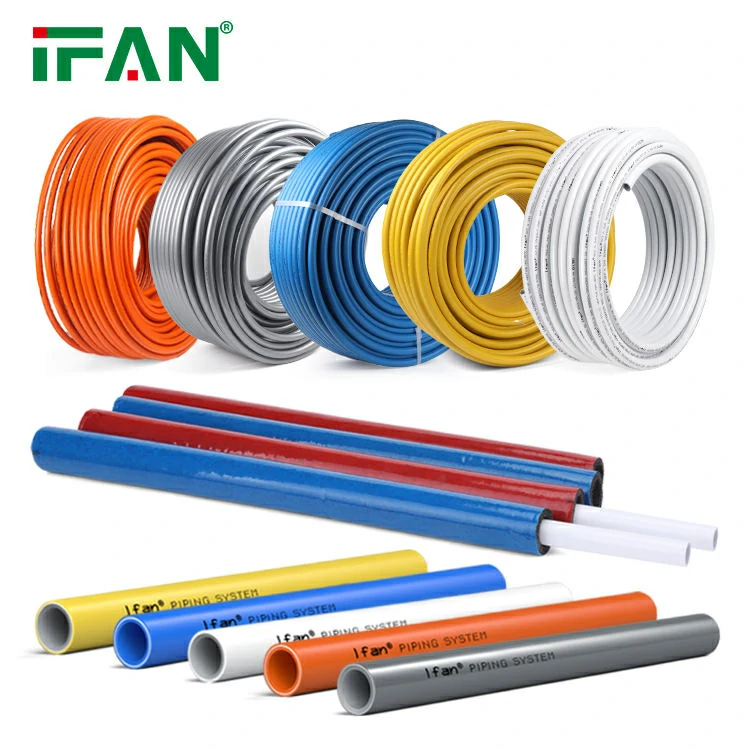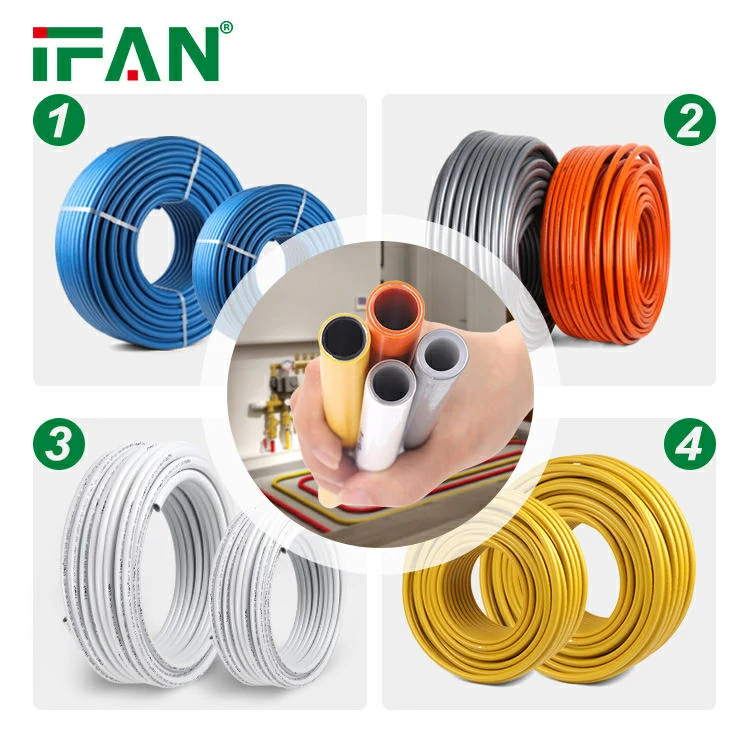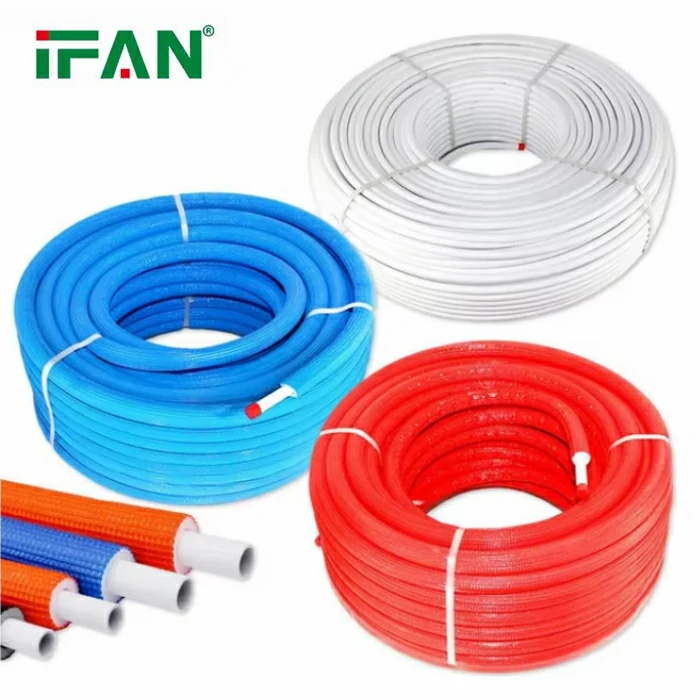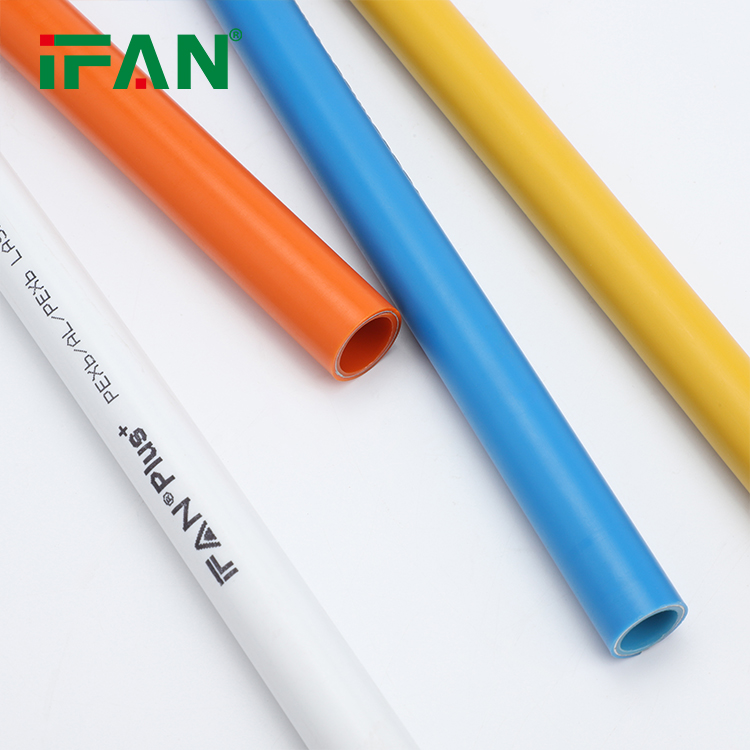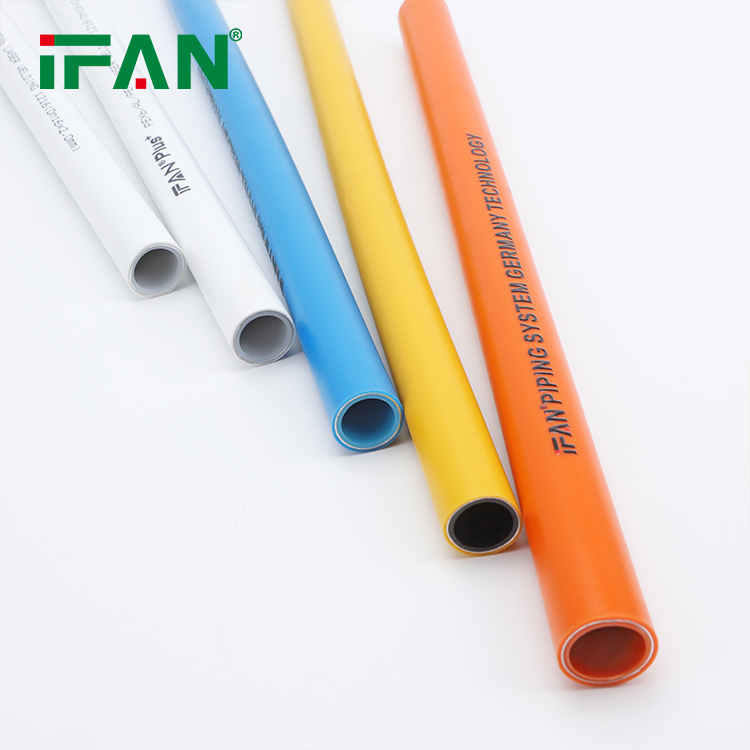
Polypropylene Random Copolymer (PPR) pipe fittings have emerged as a superior plumbing material in recent years. They are used in residential, commercial, and industrial plumbing applications due to their excellent properties and several other advantages over traditional materials. In this article, we will explore how PPR pipe fittings compare to other plumbing materials.
One of the primary advantages of PPR pipe fittings is their durability. They have a long lifespan compared to other materials like PVC, copper, and galvanized steel. PPR pipes are resistant to corrosion, erosion, and scaling, which significantly increase their lifespan. They are also highly resistant to temperature changes, making them suitable for both hot and cold water systems.
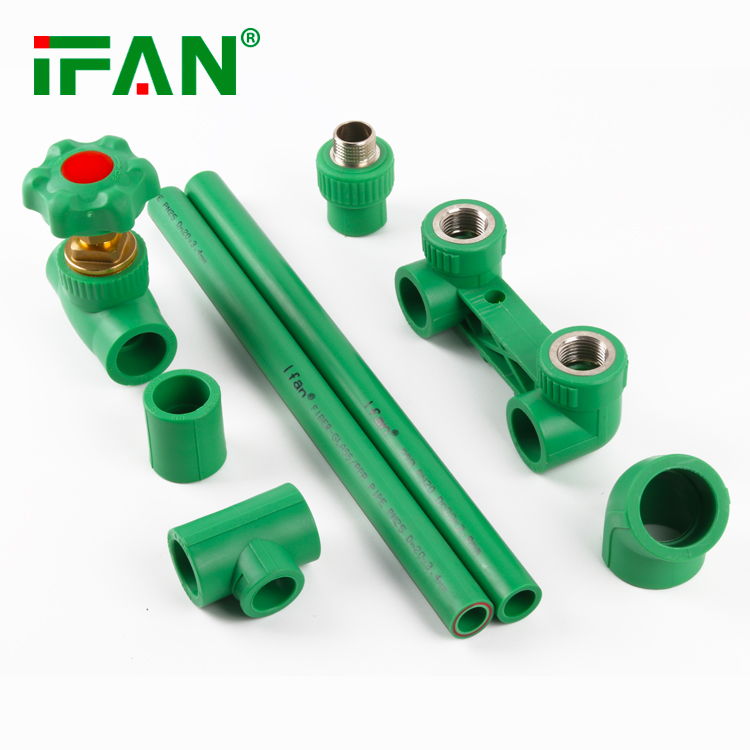
Another significant advantage of PPR pipe fittings is their ease of installation. PPR pipes are lightweight, flexible, and available in various sizes and lengths, making them easy to transport and install. They can also be joined easily using heat fusion, which ensures a tight and leak-free connection.
PPR pipe fittings are also eco-friendly, which is increasingly crucial in today’s world. They do not contain lead, cadmium, or other harmful substances, making them a safe and healthy plumbing option. Additionally, PPR pipes are 100% recyclable and can be reused several times, reducing their environmental impact significantly.
PPR pipe fittings also offer an excellent value for money. Although they cost more initially, they have a long lifespan, require minimal maintenance, and have low installation costs compared to other materials like copper. This feature makes them a cost-effective plumbing solution in the long run.
Finally, PPR pipe fittings are flexible enough to be used in various applications, from domestic water supply systems to industrial chemical transportation. Their unique features make them desirable for Several applications, including high-pressure applications as well.
In conclusion, PPR pipe fittings have several advantages over other plumbing materials like PVC, copper, and galvanized steel. These advantages include durability, ease of installation, eco-friendliness, value for money, and versatility. Thus, PPR pipe fittings are an excellent choice for any plumbing project, adding value, and reducing long-term maintenance costs.