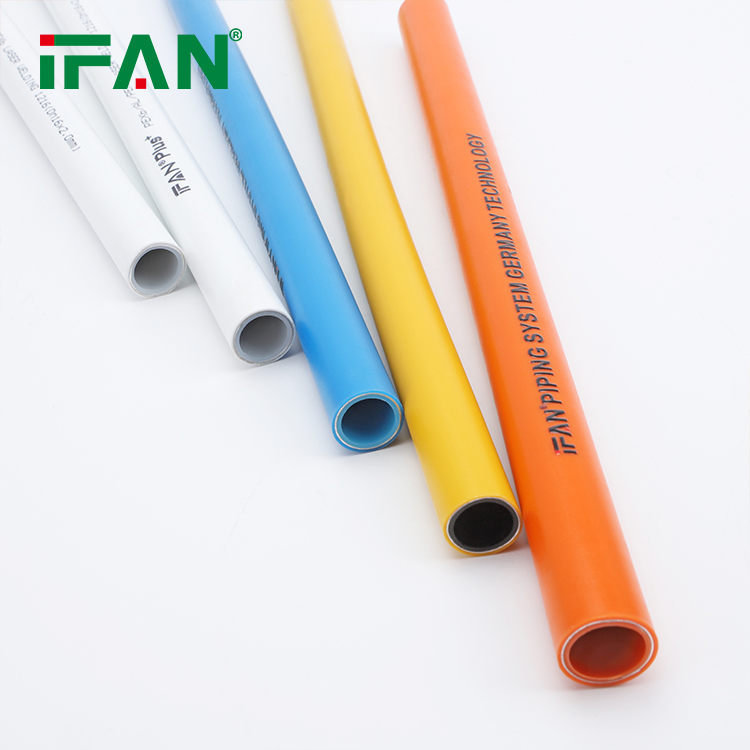
PPR Pipe Fittings: The Future of Plumbing
Introduction
Plumbing has come a long way since ancient times when pipes were made from clay and metals such as lead and copper. Today, modern plumbing systems are made of a variety of materials, such as PVC, CPVC, and PEX. However, one material that stands out above the rest is PPR. PPR, which stands for Polypropylene Random Copolymer, is a thermoplastic material that has revolutionized the plumbing industry. In this article, we will explore the features and functions of PPR pipe fittings, their advantages and values, and show why PPR is the future of plumbing.
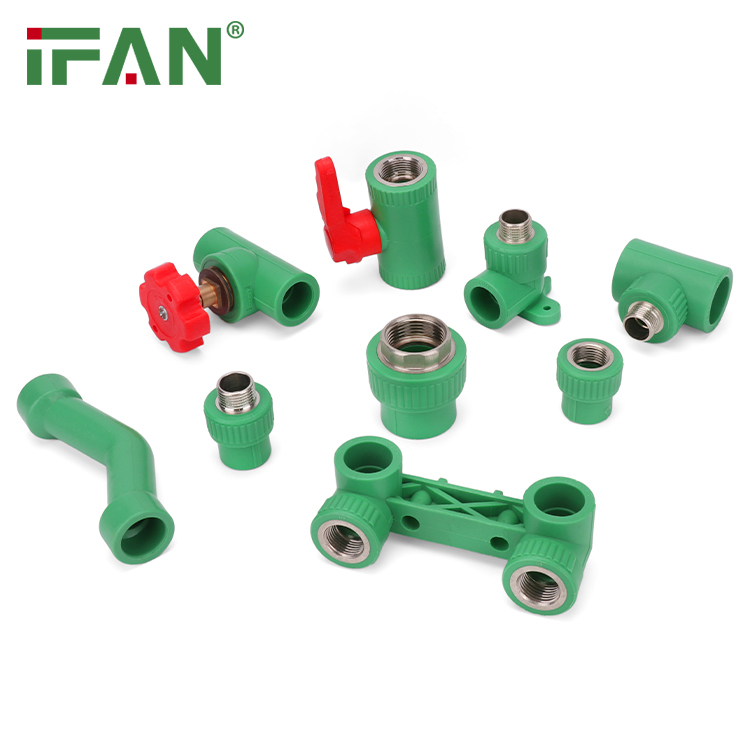
Features and Functions
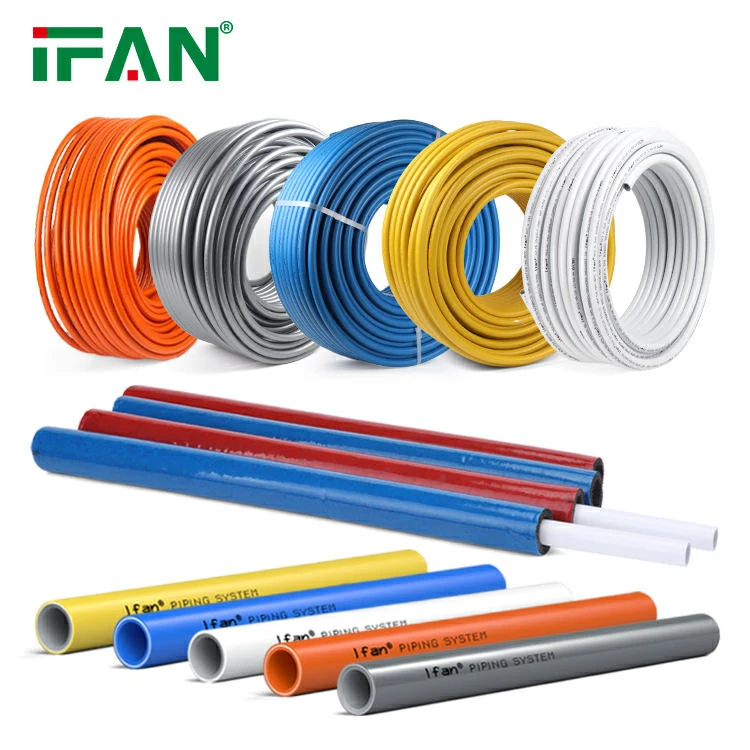
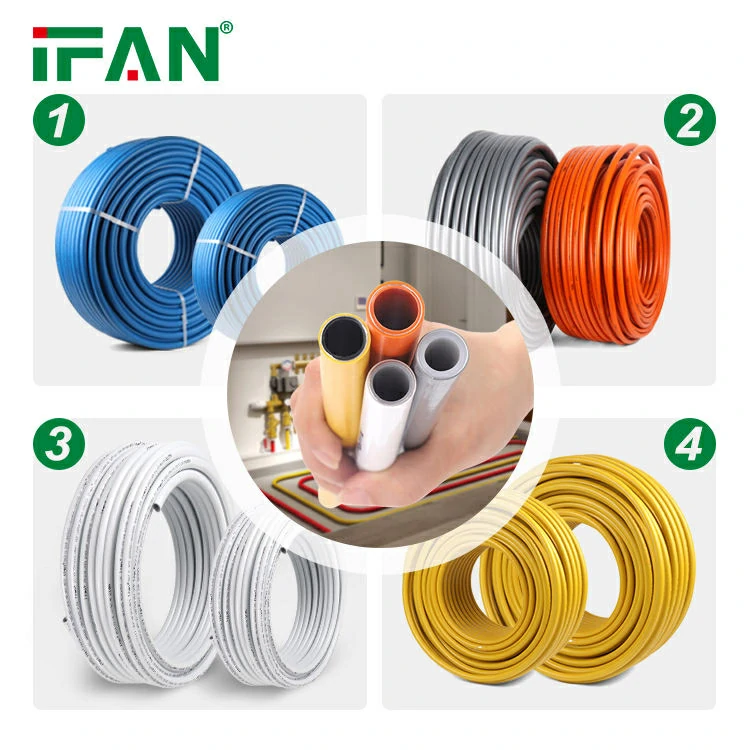
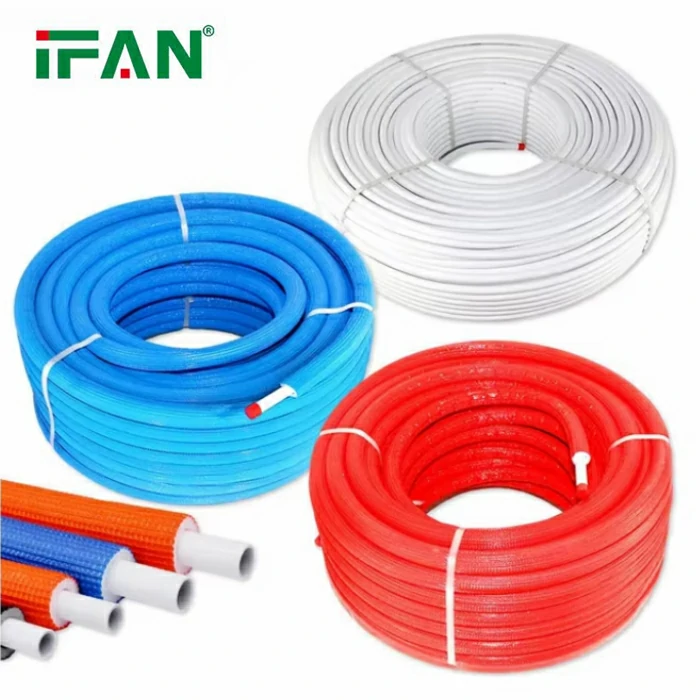
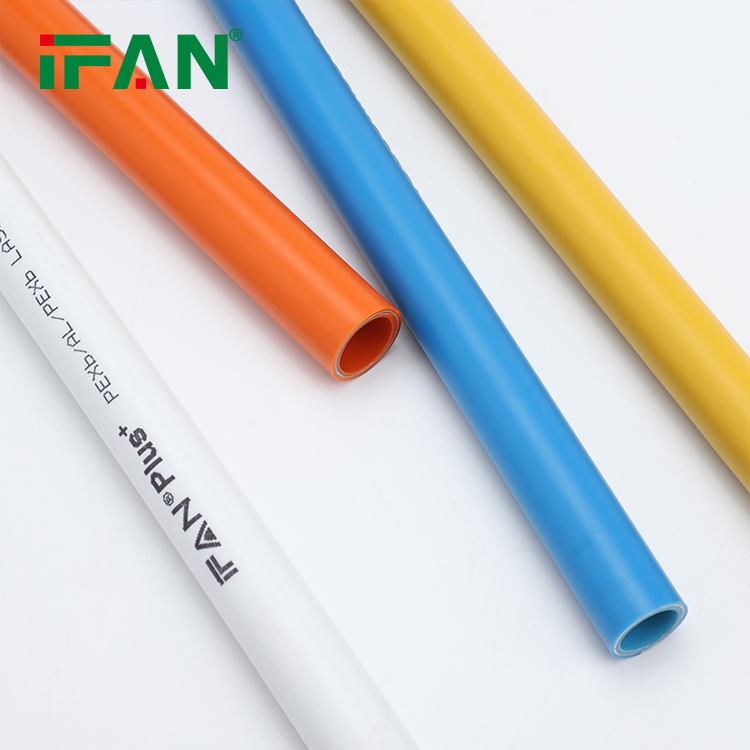
PPR pipes are manufactured from a specialized type of polypropylene that is resistant to chemical corrosion and abrasion. They are made from a non-toxic, inert material that can withstand high temperatures and excessive pressures, making them ideal for use in residential, commercial, and industrial plumbing systems.
PPR pipes are fused together using a special heating process that helps to create a seamless connection between the pipes. This not only provides a stronger connection, but it also eliminates the need for glue or other chemicals that can be harmful to the environment.
Advantages and Value
One of the most significant advantages of PPR pipes is their durability. They are designed to withstand extreme temperatures, chemicals, and pressure, making them ideal for use in harsh environments. PPR pipes are also highly resistant to rust and corrosion, which can help to extend the life of your plumbing system significantly.
PPR pipes are also lightweight and easy to install. They are less prone to cracking and breaking, making it easier and safer to work with compared to other materials. This means that installation times are reduced, and the need for repair and maintenance is also minimized.
Another advantage of PPR pipes is their sustainability. They are recyclable, meaning that they can be reused or repurposed after their useful life. This helps to reduce waste and lower the carbon footprint of your plumbing system.
Conclusion
In conclusion, PPR pipe fittings are the future of plumbing. Their superior features and functions, combined with their many advantages and values, make them the ideal choice for modern plumbing systems. Whether you are installing a new plumbing system or replacing an old one, PPR is the perfect material for your needs.
So, if you want to enjoy the benefits of a high-quality plumbing system that is durable, easy to install, and environmentally friendly, then choose PPR pipe fittings. Your investment in PPR will save you time and money in the long run while giving you peace of mind that your plumbing system is built to last.