Achieving Precision and Quality with Brass Fittings in Manufacturing

Achieving Precision and Quality with Brass Fittings in Manufacturing

As a manufacturing industry professional, you understand the importance of precision and quality when it comes to your products. For that reason, Brass Fittings have become an essential part of your manufacturing process. With their many benefits and advantages, Brass Fittings are indispensable in any manufacturing setup.
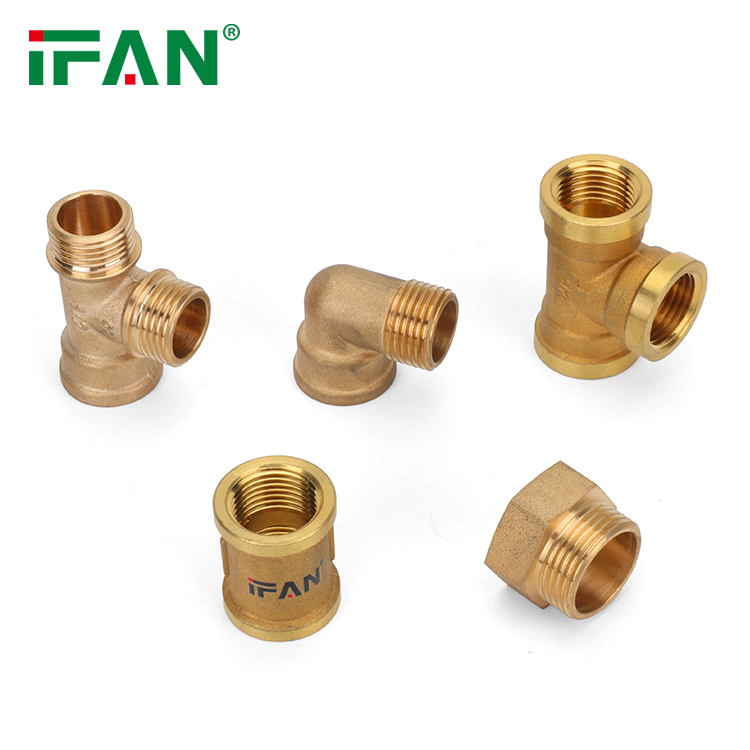
Brass Fittings are an alloy made of copper and zinc, and they are highly resistant to corrosion and wear. Additionally, they are affordable, easy to machine, and offer excellent electrical conductivity. They are also incredibly malleable, ductile, and highly resistant to atmospheric and water vapor corrosion.

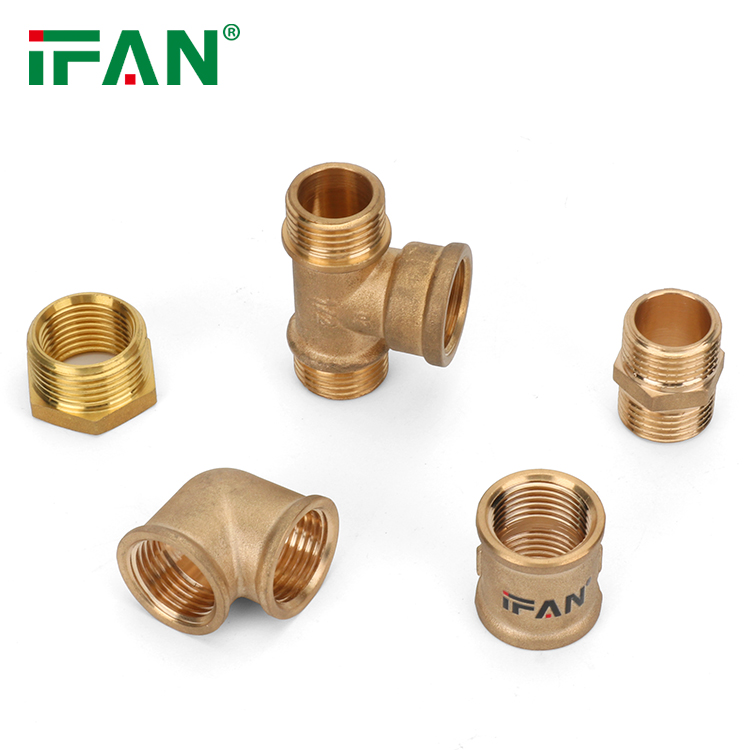
The beauty of Brass Fittings is that they come in various shapes, sizes and designs. This makes them ideal for various applications in manufacturing, including plumbing, automotive, marine, and aerospace industries.

A key advantage of Brass Fittings is that they are manufactured to precise standards. Every piece of Brass Fitting is crafted with accuracy, so you can be sure that each fitting will fit perfectly and function effectively. The tolerances in Brass Fittings are precise and highly consistent, making them the ideal choice for any application.
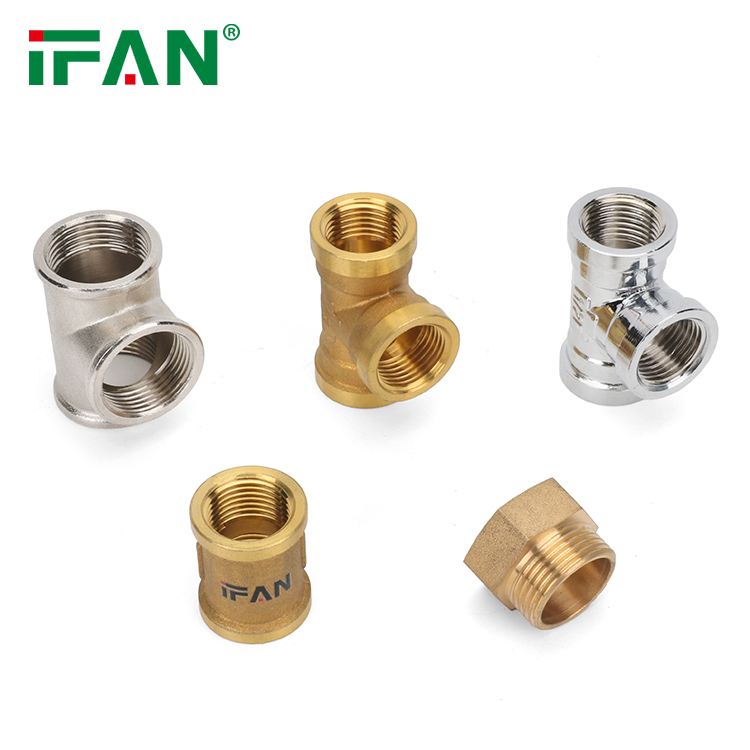
Furthermore, Brass Fittings offer great durability and toughness over a long period of time. They are resilient to wear and tear, and they can handle extreme temperatures and harsh environmental conditions.

In conclusion, with their precision, quality, durability and affordability, Brass Fittings are the perfect choice for manufacturers who value exceptional performance, reliability, and cost-effectiveness. So, if you want to achieve precision and quality in your manufacturing process, Brass Fittings are a must-have product. Take the next step and invest in these high-quality fittings to take your manufacturing to the next level!
Share:

Facebook
Twitter
Pinterest
LinkedIn

Leave a Comment

Your email address will not be published. Required fields are marked *

On Key

Related Posts

Common Brass Ball Valve Failures and How to Prevent Them

Common Brass Ball Valve Failures and How to Prevent Them — The IFAN Way Most Valve Failures Come Down to These Few Things After years in the plumbing game, I’ve noticed a pattern — when a ball valve fails, it almost always comes down to the same handful of issues. Most people treat valves like

Proper Installation Practices for Brass Ball Valves

Proper Installation Practices for IFAN Brass Ball Valves: Don’t Let Bad Installation Ruin a Great Valve Bought a great valve and it still leaks after installation? I’ve seen this way too many times. Here’s the truth — a ball valve is 30% product and 70% installation. Even the best IFAN Brass Ball Valve will leak if

Why Brass Ball Valves Are Preferred Over Plastic or Steel

Why Brass Ball Valves Win Every Time — Plastic and Steel Just Can’t Compete Plastic Ball Valves: Cheap Upfront, Painful Later Someone probably told you at some point: “Just grab a plastic ball valve, it’s cheap and it works.” Works? Sure — until it doesn’t. The biggest issue with plastic valves is pressure. The moment

Temperature Limits for Brass Ball Valves in Hot Water Lines

Temperature Limits for Brass Ball Valves in Hot Water Lines: IFAN Gives You the Straight Answer One: What’s the Big Deal About Temperature in Hot Water Ball Valves? Let’s be real — most people grab a ball valve without even checking the temperature rating. “It’s just an on-off switch, right?” Wrong. Big time. Your cold

Threaded vs Solder End Brass Ball Valves Which to Choose

IFAN Threaded vs Solder End Brass Ball Valves: Which One Should You Actually Pick? The Short Answer: There’s No “Best” — Only “Best for Your Situation” Every time someone asks me whether to go threaded or solder end for a ball valve, I want to ask back — “Where are you installing it? What’s it

Get Free Quote NOW