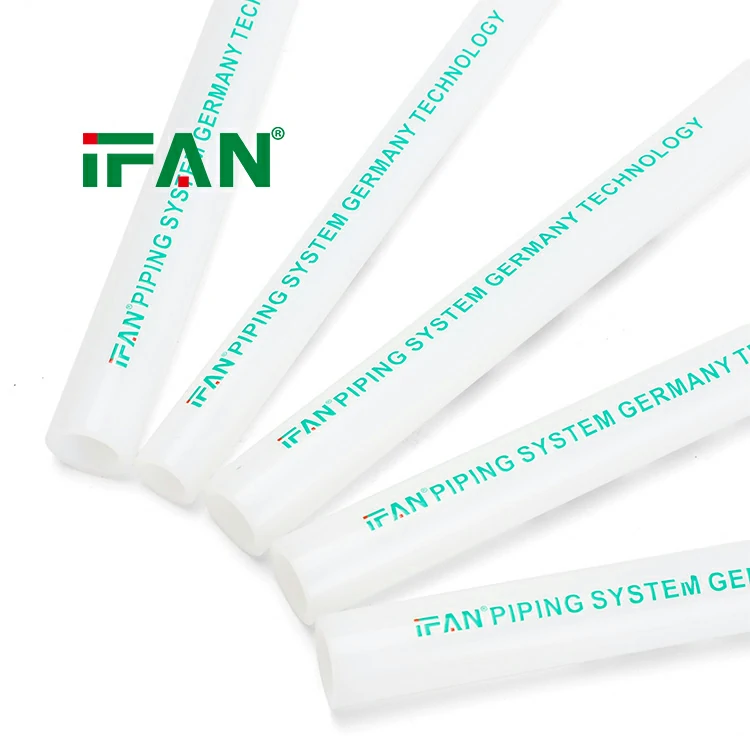
Brass fittings are a crucial component of construction projects that are often overlooked. These fittings, made of a copper-zinc alloy, are used to connect pipes and tubing in residential, commercial, and industrial buildings. Not only are they easy to install, but they also ensure safety and efficiency in any building project.
The unique properties of brass fittings make them an ideal choice for construction projects. They are highly resistant to corrosion, which means they will not rust or degrade over time like other types of metal fittings. When exposed to water, brass fittings will not produce any harmful chemicals or toxins, making them a safe and reliable choice for drinking water systems.
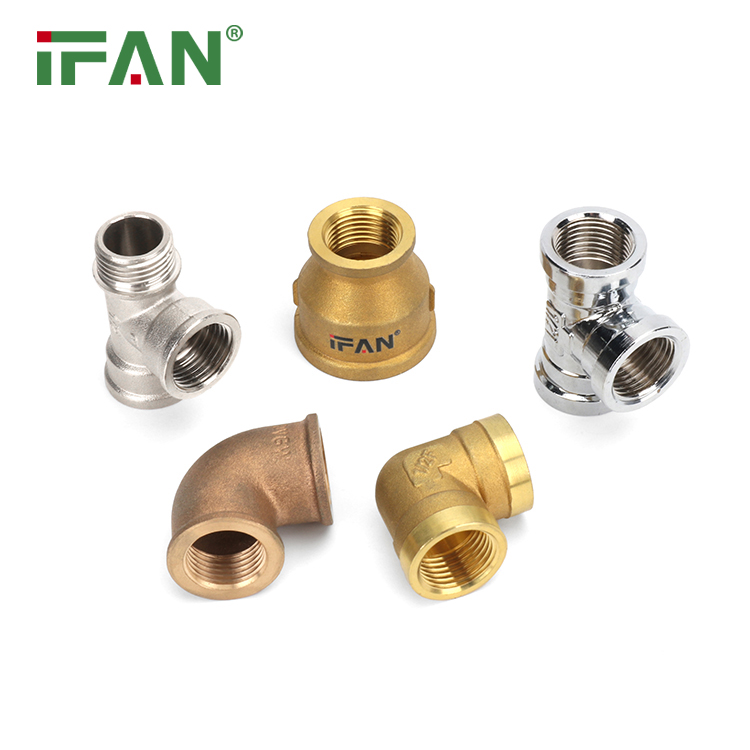
Brass fittings are also incredibly durable and can withstand high levels of pressure and temperature. This means they can be used in a variety of different applications, from household plumbing to industrial piping systems. They are also easy to work with, as they can be shaped and bent to fit any project requirements.
One of the main advantages of using brass fittings in construction is their cost-effectiveness. While they may not be the cheapest option available, their long lifespan and durability mean that they will save money in the long run. They require minimal maintenance and have a low risk of failure, which means fewer repairs and replacements will be needed over time.
Another advantage of using brass fittings is their aesthetic appeal. They have a shiny golden color that gives them a timeless look and adds an air of sophistication to any project. They are also easy to clean and maintain, which means they will retain their appearance for years to come.
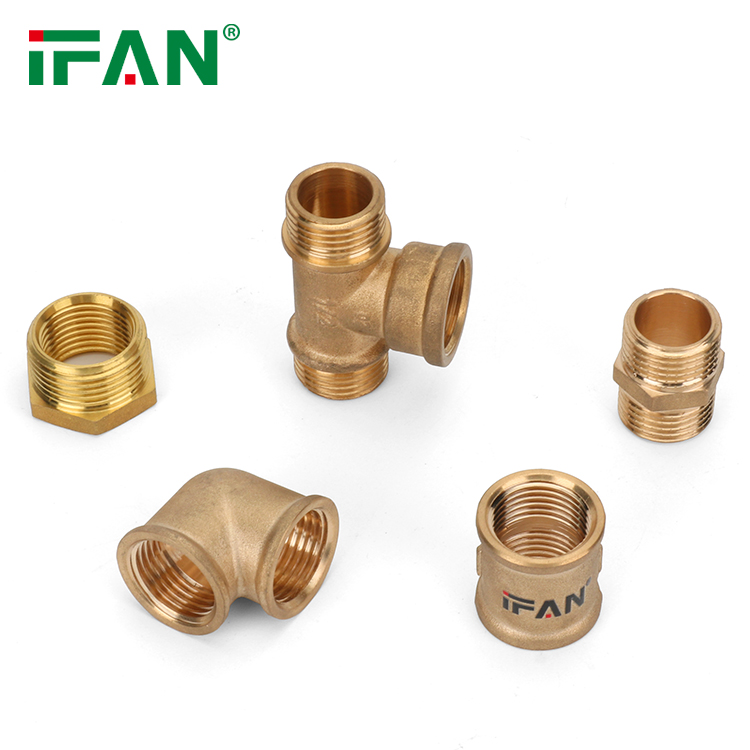
In conclusion, brass fittings are an essential component of any construction project. Their unique properties and advantages make them the ideal choice for connecting pipes and tubing in buildings of all types. From durability and safety to cost-effectiveness and aesthetic appeal, brass fittings offer a range of benefits that cannot be matched by other materials. If you are planning a construction project, consider using brass fittings to ensure safety and efficiency, as well as long-term cost savings.