Introduction:
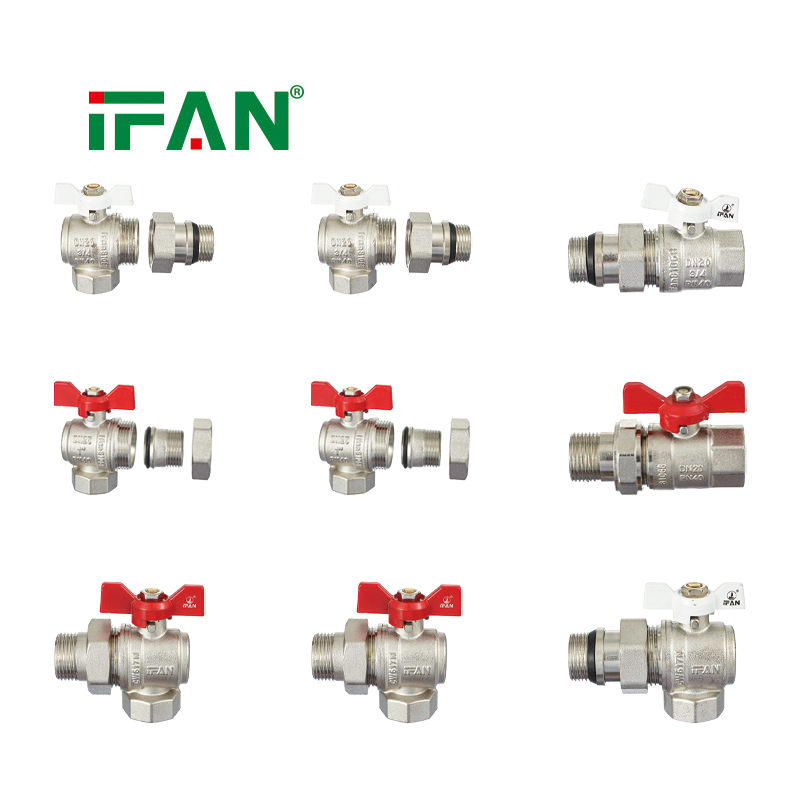
Brass fittings play a crucial role in various industries, providing a reliable and durable connection between pipes and hoses. In this comprehensive review, we will delve into the world of brass fittings, analyzing their features, applications, and advantages.
History of Brass Fittings:
Brass fittings have a rich history that dates back centuries. Initially, brass, an alloy of copper and zinc, was used for decorative purposes. However, its exceptional properties, such as corrosion resistance and malleability, led to its adoption in plumbing systems. Over time, brass fittings have evolved to meet the ever-growing demands of different industries.
Types of Brass Fittings:
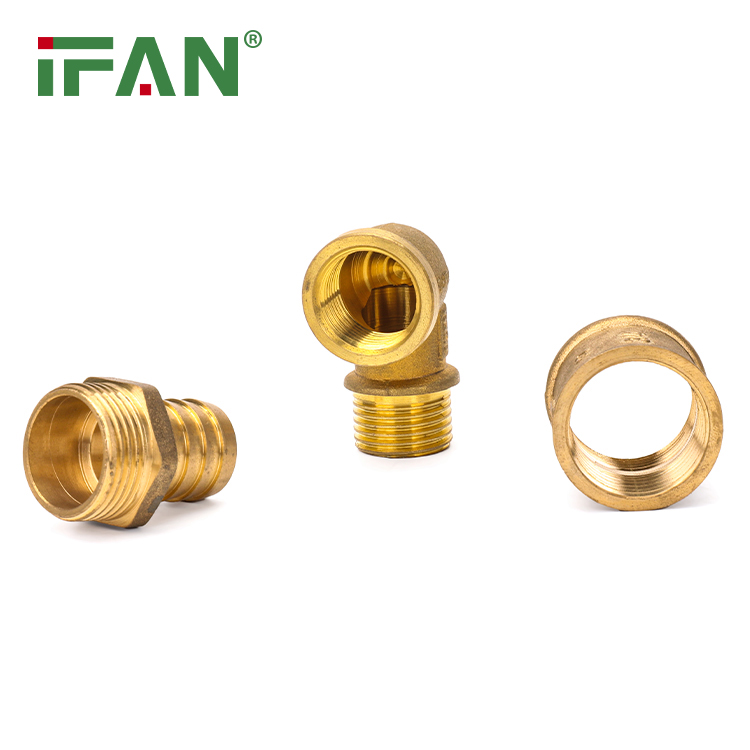
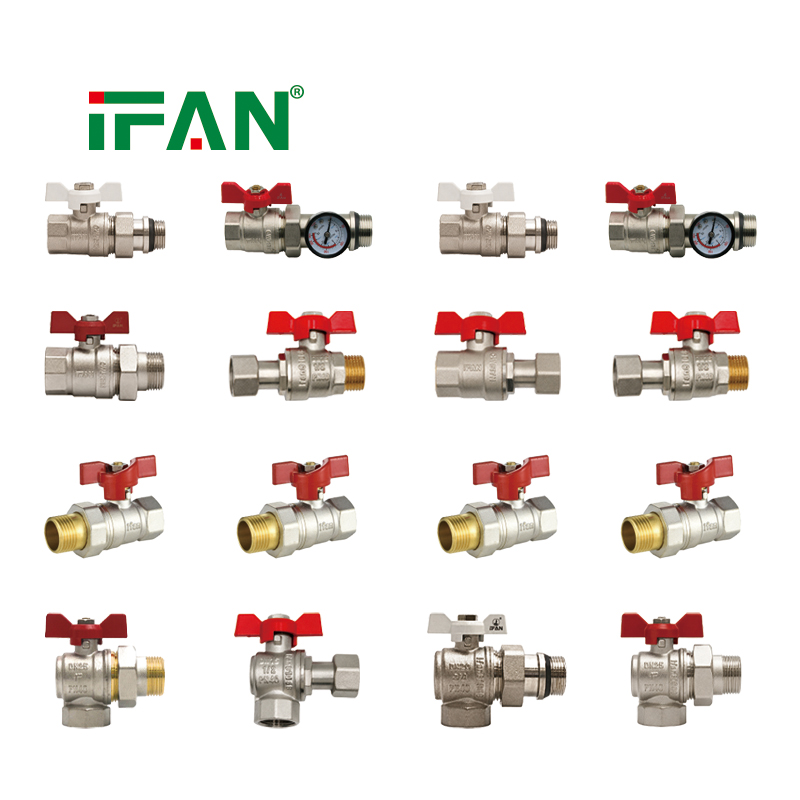
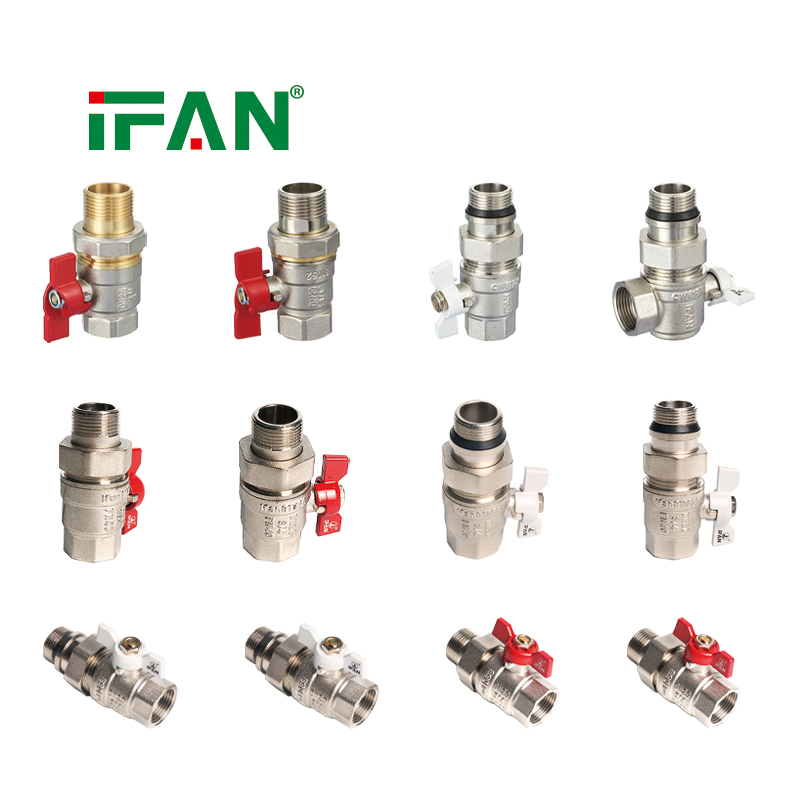
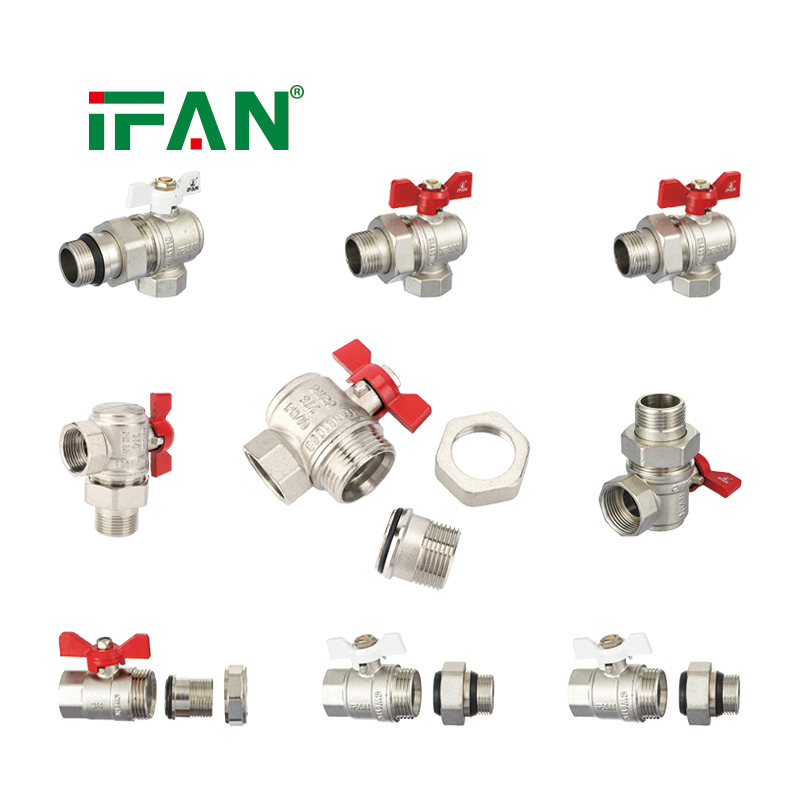
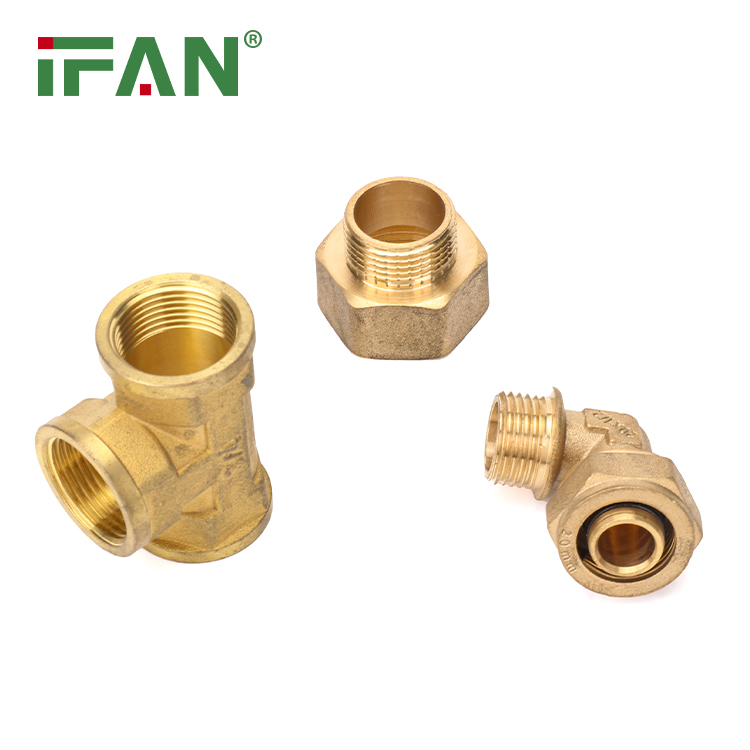
Brass fittings come in a wide range of types, each designed to serve a specific purpose in various applications. Some common types include compression fittings, flare fittings, pipe fittings, and hose barb fittings. These fittings offer versatility and compatibility with different pipe materials, making them highly sought after across industries.
Applications of Brass Fittings:
The applications of brass fittings are extensive and diverse. They are widely used in plumbing systems, HVAC (heating, ventilation, and air conditioning) systems, industrial machinery, automotive industries, and even in household appliances. Brass fittings ensure leak-free connections, facilitating fluid transportation and enhancing the overall efficiency of various systems.
Advantages of Brass Fittings:
Brass fittings possess several advantages that contribute to their popularity. Firstly, they exhibit excellent durability, withstanding high pressure and temperature conditions without compromising performance. Additionally, brass fittings are resistant to corrosion, making them ideal for use in both indoor and outdoor environments. Moreover, their malleability allows for easy installation and customization.
Considerations for Brass Fittings:
While brass fittings offer numerous benefits, it is important to consider certain factors before choosing them for a specific application. Factors such as compatibility with other materials, pressure ratings, and temperature limitations should be carefully evaluated to ensure optimal performance and longevity.
Conclusion:
In conclusion, this comprehensive review has highlighted the significance of brass fittings in various industries. Their long-standing history, diverse types, broad applications, and inherent advantages make them an essential component in plumbing and mechanical systems. Understanding the features and considerations associated with brass fittings is crucial for selecting the right fittings and ensuring efficient and reliable connections.