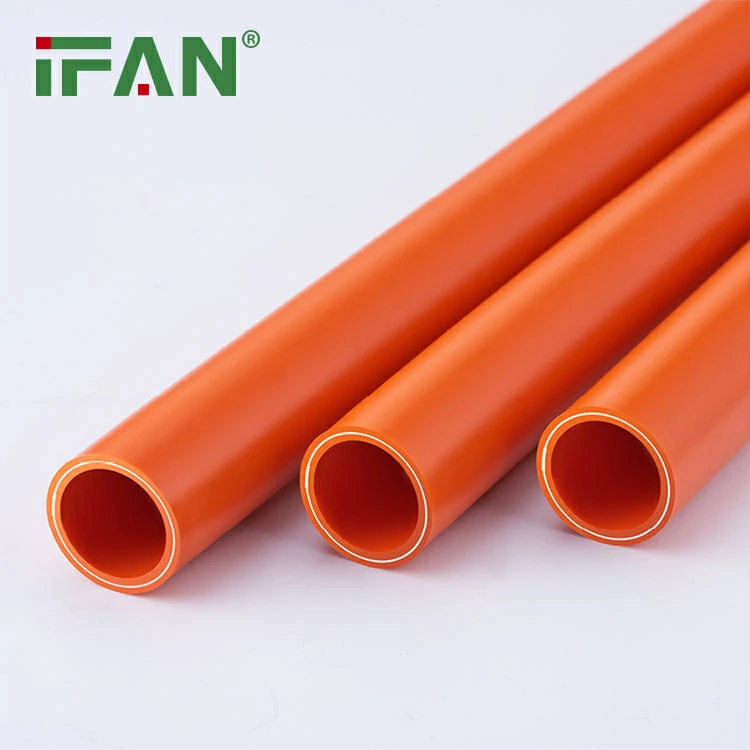
The Various Types of PPR Fittings and Their Functions
As a seasoned SEO writer, I’m pleased to offer an informative piece on the various types of PPR fittings and their functions. If you’re in search of durable, easy-to-install, and cost-effective plumbing solutions, then PPR fittings are perfect for you.
Introduction to PPR Fittings
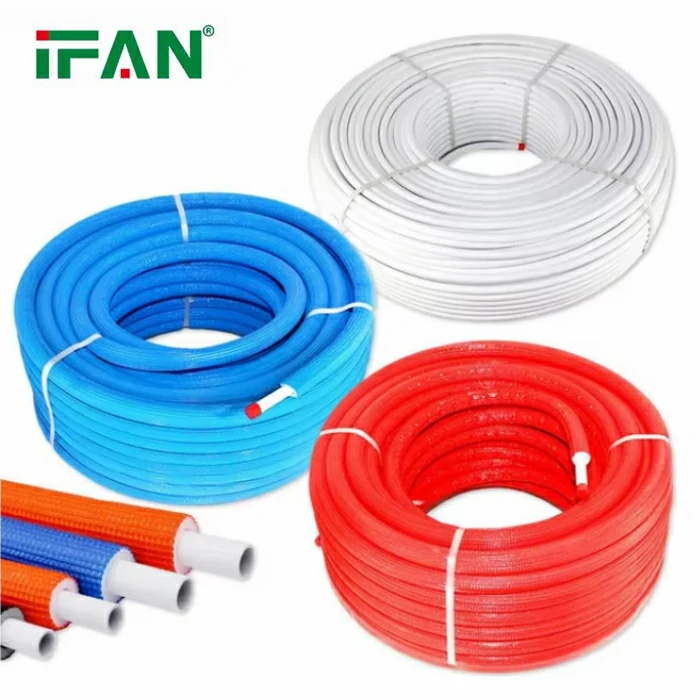
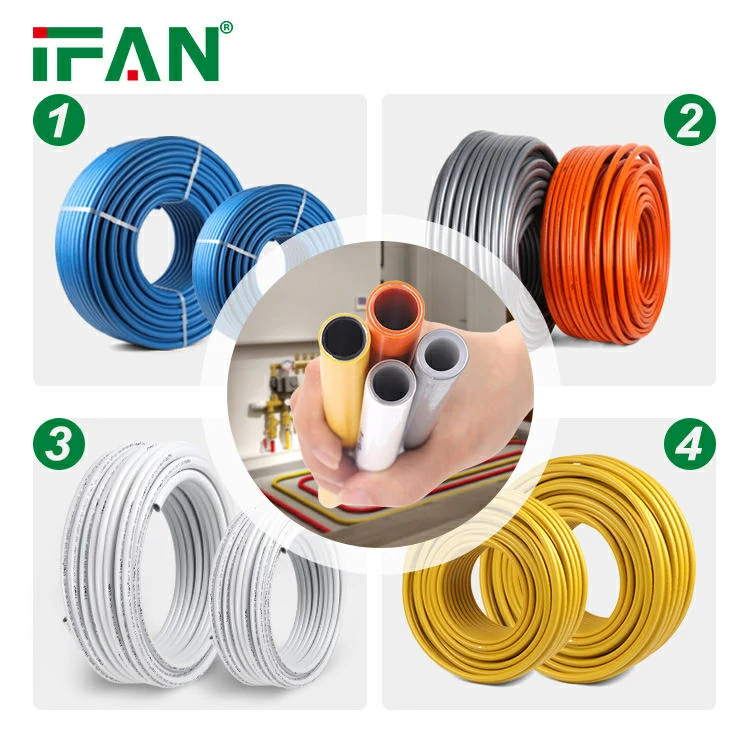
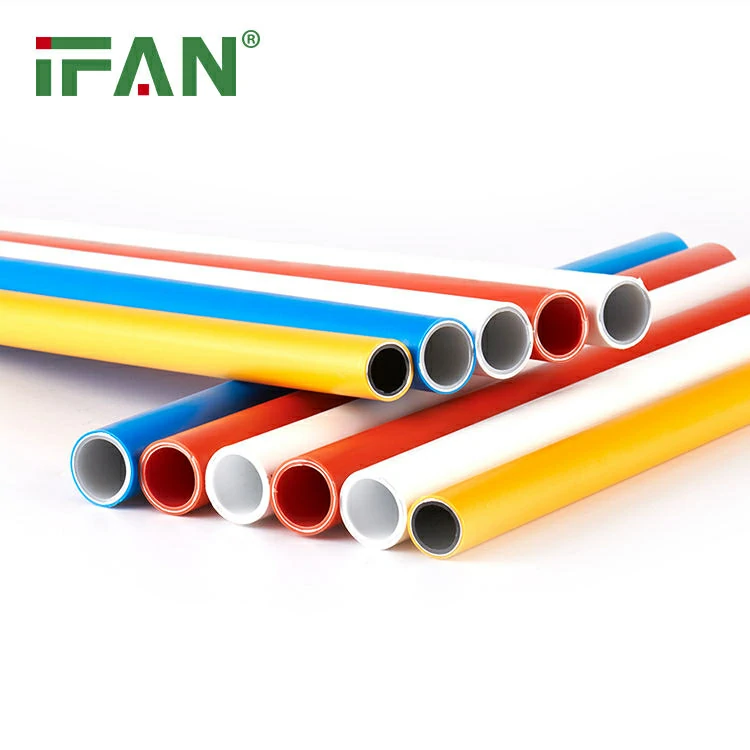
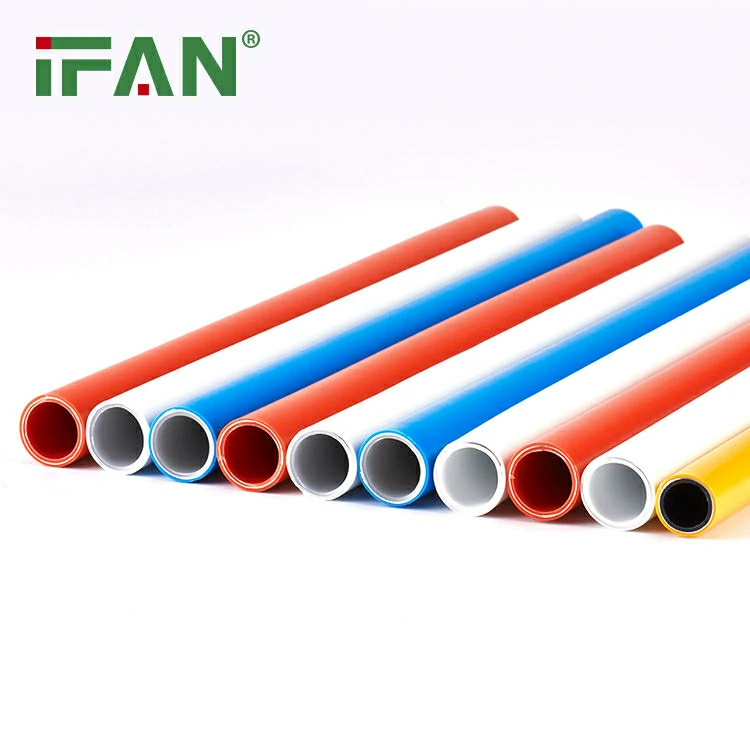
PPR (polypropylene random copolymer) fittings are widely used in plumbing and heating systems for residential and commercial buildings. These fittings are made from high-quality PPR material, which is resistant to corrosion, heat, and pressure. PPR fittings come in various sizes, shapes, and designs, and they can be easily connected with PPR pipes to create a leak-proof and long-lasting system.
Types of PPR Fittings
- PPR Coupling Fittings
PPR coupling fittings are used to connect two PPR pipes of the same size. These fittings are available in straight and angled designs. They are easy to install, and their double-bite mechanism ensures a secure connection.
- PPR Elbow Fittings
PPR elbow fittings are used to change the direction of the PPR flow. These fittings are available in 45 and 90-degree angles, and they can be used to connect PPR pipes of different sizes. PPR elbow fittings are ideal for complex plumbing systems.
- PPR Tee Fittings
PPR tee fittings are used to create branches in the PPR plumbing system. These fittings are available in different sizes and designs, and they can be used to connect three PPR pipes. PPR tee fittings are ideal for adding an extra outlet in the plumbing system.
- PPR Ball Valve Fittings
PPR ball valve fittings are used to control the flow of water in the PPR plumbing system. These fittings are equipped with a lever that can be turned to open or close the valve. PPR ball valve fittings are ideal for shutting off the water supply or isolating a particular area of the plumbing system.
Functions of PPR Fittings
- Leak-proof
PPR fittings are designed to create a leak-proof connection between PPR pipes. Their double-bite mechanism ensures that there are no gaps or spaces for water to leak through. This makes PPR fittings ideal for plumbing systems that require a high level of accuracy and efficiency.
- Durable
PPR fittings are made from high-quality PPR material, which is resistant to corrosion, heat, and pressure. This means that PPR fittings can withstand harsh environmental conditions and extreme temperatures without getting damaged or worn out.
- Easy to Install
PPR fittings are easy to install and require minimal tools and equipment. The PPR pipes and fittings can be easily connected using a heat fusion technique, which creates a strong and permanent bond between the two.
Advantages of PPR Fittings
- Cost-effective
PPR fittings are highly cost-effective when compared to traditional plumbing solutions. They require less labor and equipment, and they have a longer lifespan. This makes PPR fittings a great investment for those who want to save money in the long run.
- Environmentally Friendly
PPR fittings are environmentally friendly as they are made from recyclable PPR material. This means that they can be reused and repurposed, reducing the waste generated from plumbing systems.
Conclusion
In conclusion, PPR fittings are an excellent choice for those seeking durable, easy-to-install, and cost-effective plumbing solutions. With their leak-proof mechanism, durability, and ease of installation, PPR fittings offer significant advantages over traditional plumbing solutions. So if you’re looking to upgrade your plumbing system, consider using PPR fittings for a long-lasting and reliable solution.
Meta Description: PPR fittings offer a durable, leak-proof, and cost-effective plumbing solution for residential and commercial buildings. Discover their various types and functions here.