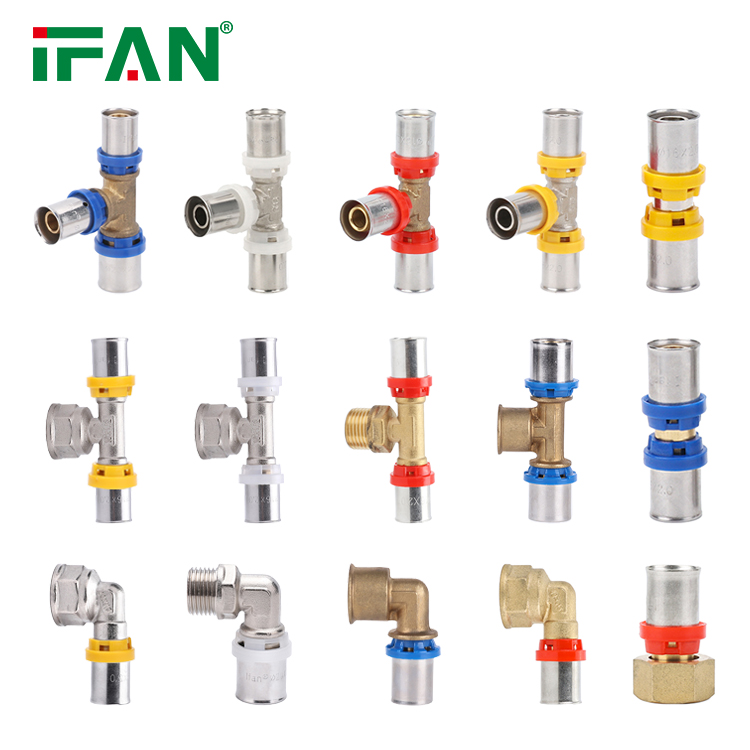
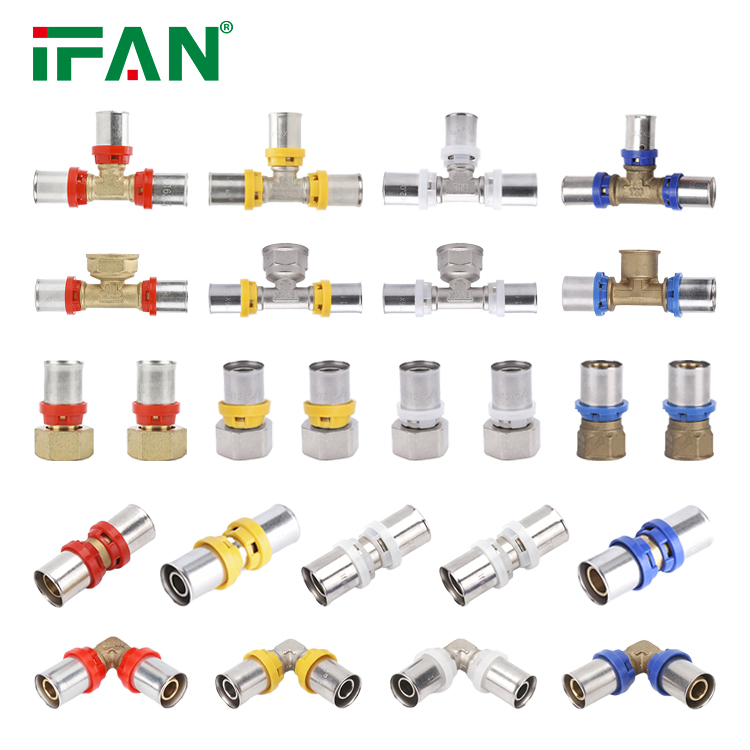
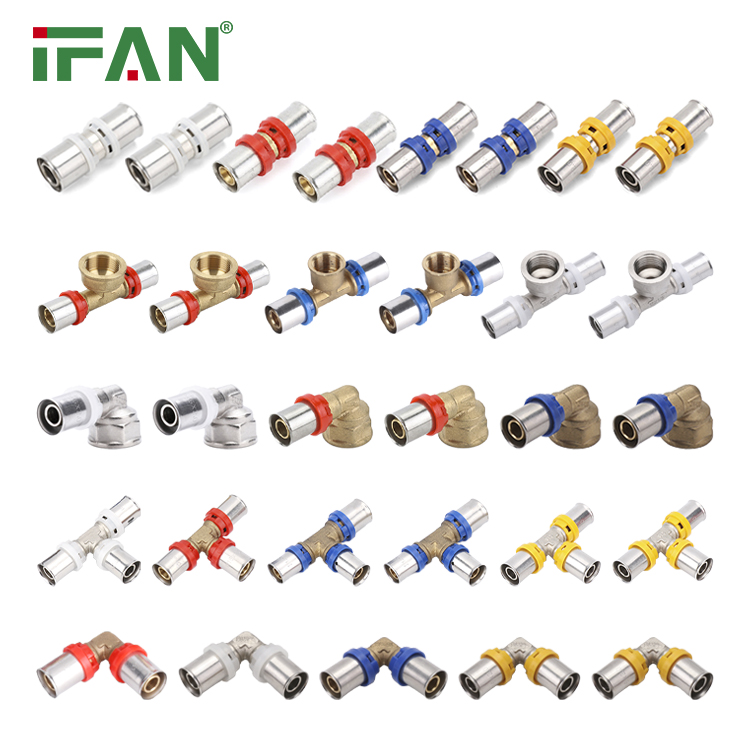
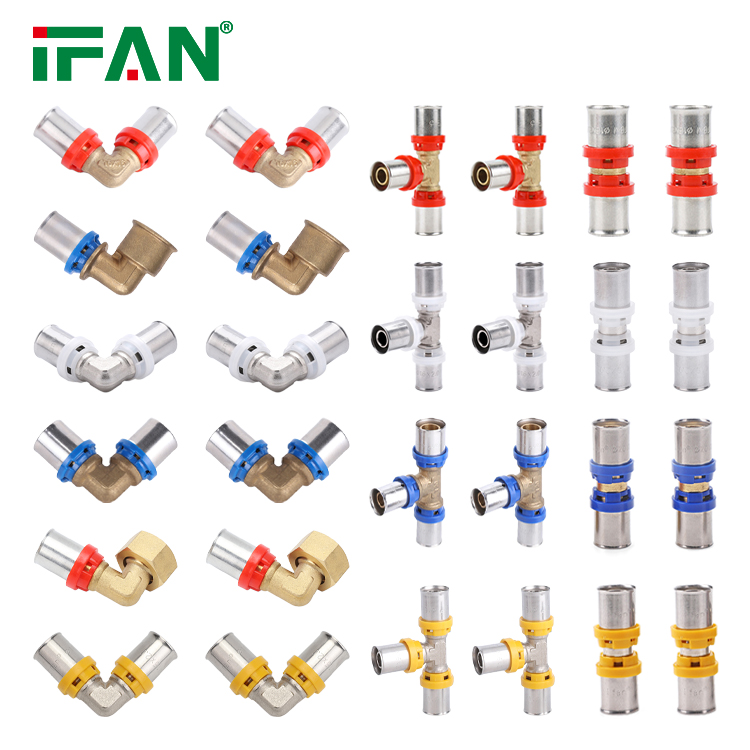
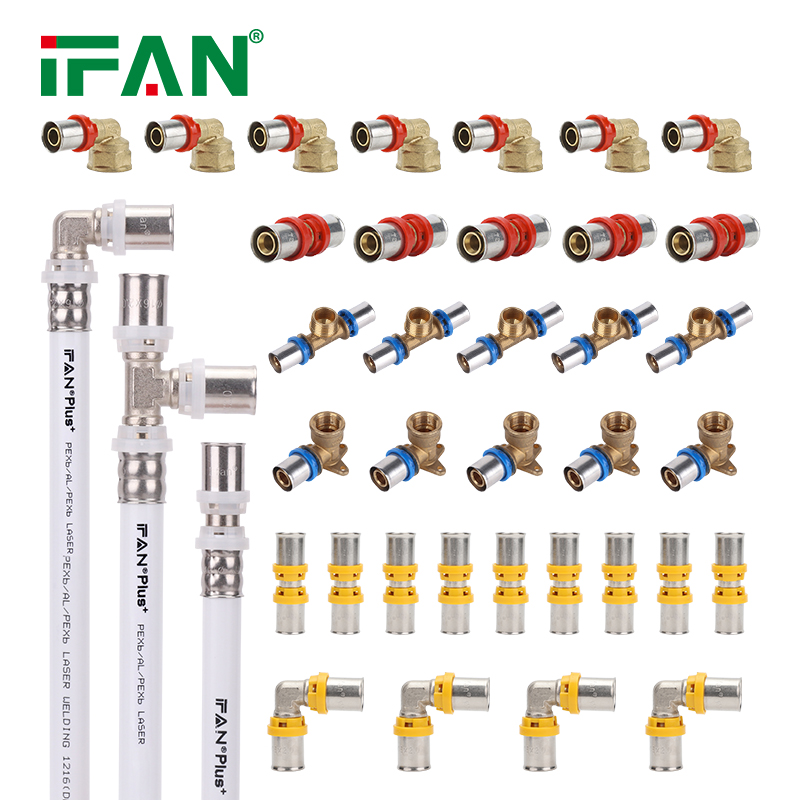
PEX (cross-linked polyethylene) tubing has revolutionized modern plumbing with its flexibility, durability, and ease of installation. However, the key to a reliable PEX system lies in choosing the right PEX press fittings and connection method.
In this guide, we’ll explore the different PEX-connection fitting systems, their pros and cons, and how to choose the best one for your project.
Why PEX Fittings Matter
PEX tubing alone doesn’t create a watertight system—it requires secure fittings to prevent leaks and ensure long-term performance. The three main types of PEX-connection systems are:
- Crimp Fittings
- Clamp (Cinchor) Fittings
- Press (ProPress) Fittings
Each system has its advantages, depending on whether you’re a professional plumber or a DIYer.
1. Crimp Fittings – The Traditional Choice
How They Work
- A copper or stainless steel crimp ring is placed over the PEX tubing.
- The tubing is inserted into a brass or poly alloy fitting.
- A PEX crimp tool compresses the ring, creating a tight seal.
Pros
✔ Affordable and widely available
✔ Reliable when installed correctly
✔ Works with all PEX types (A, B, C)
Cons
✖ Requires a crimp tool (manual or ratcheting)
✖ Crimp rings can’t be reused
✖ Needs a go/no-go gauge for verification
Best For: Budget-conscious homeowners and small-scale plumbing projects.
2. Clamp (Cinchor) Fittings – The Middle Ground
How They Work
- A stainless steel clamp ring is positioned over the PEX tubing.
- A special PEX clamp tool tightens the ring around the fitting.
Pros
✔ Easier to inspect visually (no gauge needed)
✔ Slightly more forgiving than crimp rings
✔ Works well in tight spaces
Cons
✖ Requires a different tool than crimp systems
✖ Bulkier than crimp rings
✖ Not as widely used as crimp fittings
Best For: DIYers who want a balance between ease of use and reliability.
3. Press (ProPress) Fittings – The Professional Solution
How They Work
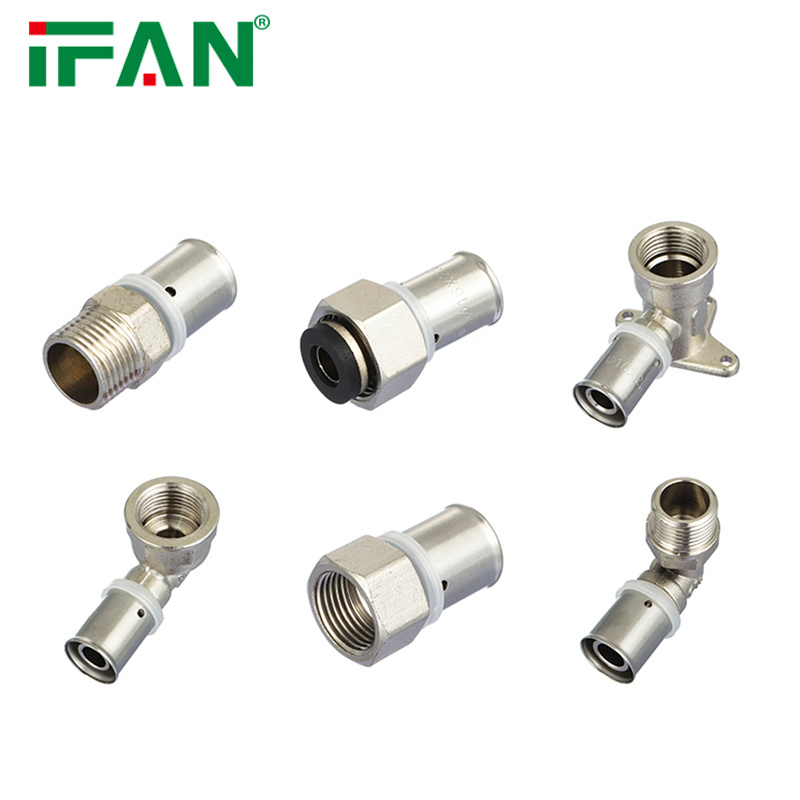
- Uses specialized PEX press fittings with built-in O-rings.
- A battery-powered press tool compresses the fitting in seconds.
Pros
✔ Fastest installation (no waiting for glue or solder)
✔ No open flame or heat required
✔ Extremely reliable and leak-proof
Cons
✖ Expensive upfront cost (tool + fittings)
✖ Mostly used by professionals
✖ Limited to compatible press fittings
Best For: Professional plumbers and large-scale installations.
Which PEX Connection System Should You Choose?
| Factor | Crimp Fittings | Clamp Fittings | Press Fittings |
|---|---|---|---|
| Cost | Low | Medium | High |
| Tool Required | Crimp Tool | Clamp Tool | Press Tool |
| Ease of Use | Moderate | Easy | Very Easy |
| Best For | DIYers | DIYers/Pros | Professionals |
Final Recommendations:
- For Budget DIY Projects: Crimp Fittings
- For Easy, Reliable Connections: Clamp Fittings
- For Speed & Professional Results: Press Fittings
How to Ensure a Proper PEX Connection
- Use the Right Tool – Never substitute the proper crimp, clamp, or press tool.
- Cut PEX Tubing Cleanly – A smooth cut prevents leaks.
- Inspect Fittings – Check for defects before installation.
- Test the System – Always pressure-test before closing walls.
Frequently Asked Questions (FAQs)
1. Can I mix crimp and clamp fittings in the same system?
No, stick to one type for consistency and reliability. Mixing systems can lead to leaks.
2. Are PEX press fittings worth the cost?
Yes, if you value speed and reliability—especially for professional use. DIYers may prefer crimp/clamp.
3. Do PEX fittings work with all PEX tubing types?
Most fittings work with PEX-A, B, and C, but always check manufacturer specs.
4. How long do PEX fittings last?
Properly installed PEX fittings can last 50+ years, matching the tubing’s lifespan.
5. Can I use PEX for hot water lines?
Yes, PEX is rated for both hot and cold water, but ensure fittings are also heat-resistant.
Final Thoughts
Choosing the right PEX press fittings and connection method depends on your budget, skill level, and project needs. Crimp and clamp fittings are great for DIYers, while press fittings offer unmatched speed for professionals.
By understanding these systems, you can ensure a leak-free, long-lasting PEX plumbing installation.