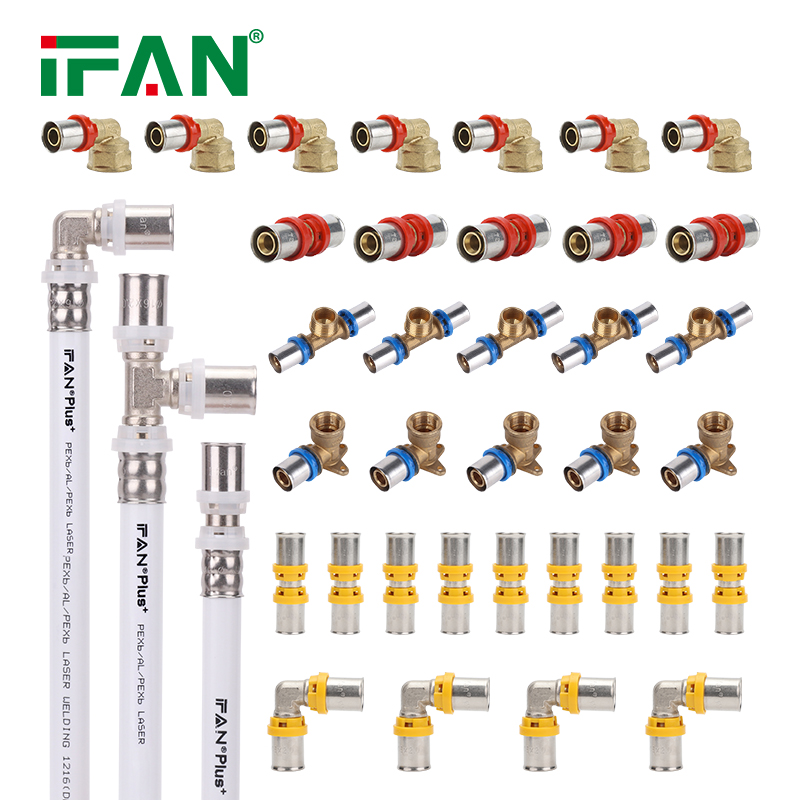
The rise of PEX (cross-linked polyethylene) tubing has transformed modern plumbing, offering flexibility, freeze resistance, and corrosion immunity. However, the benefits of PEX can only be fully realized with a reliable connection method. While crimp and expansion systems have their place, the technology of pipe press fittings represents the most significant advancement in PEX connection systems. This article provides a comprehensive rundown of PEX press fit systems, explaining how they work, their advantages, and why they are becoming the professional standard.
Understanding PEX Press Fitting Technology
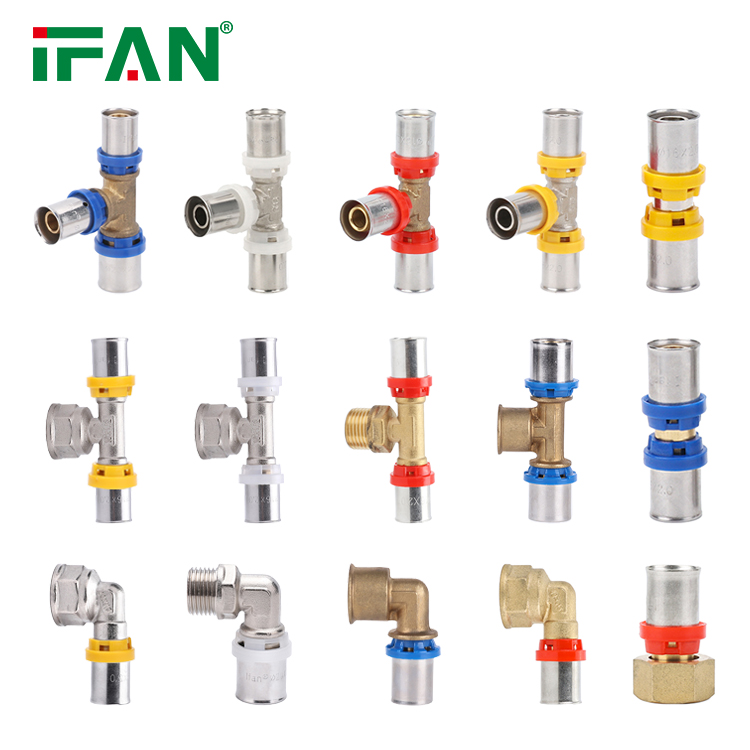
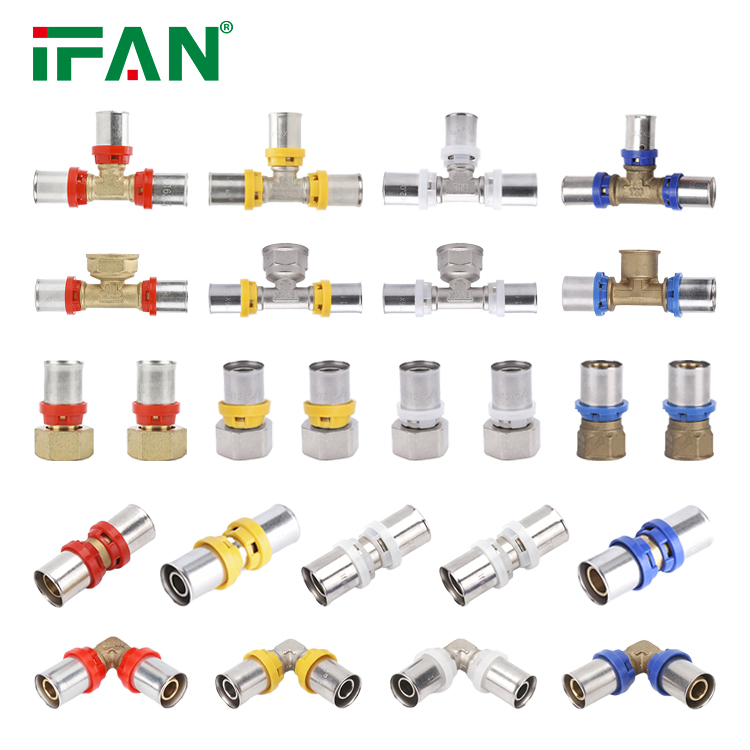
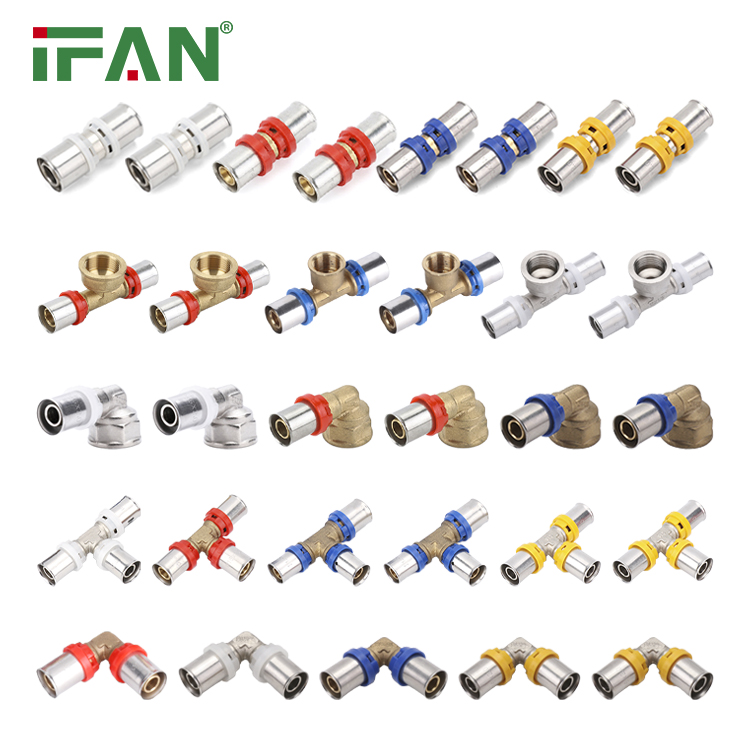
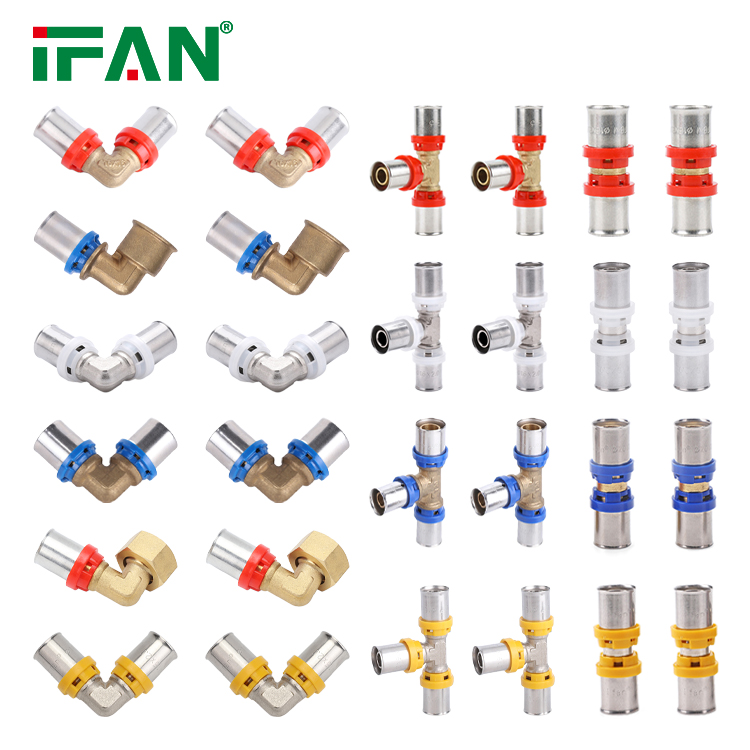
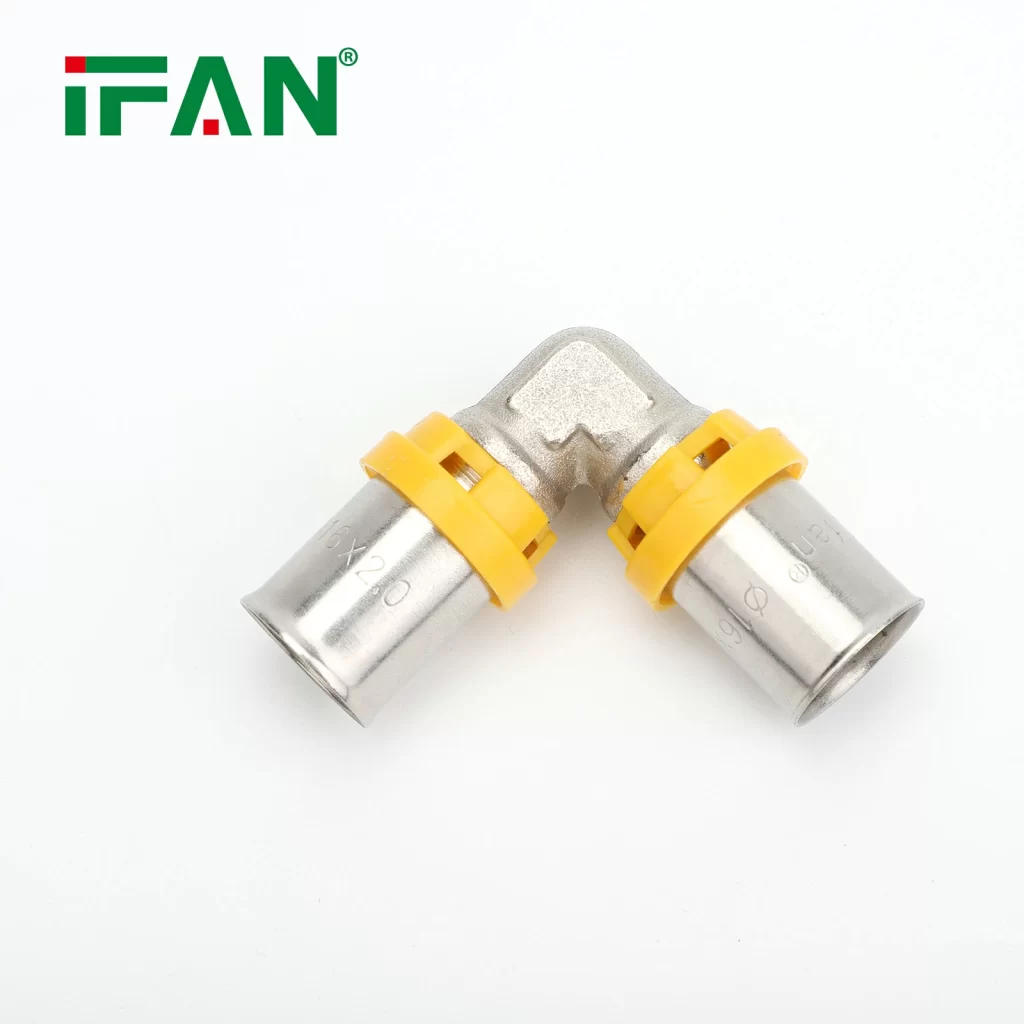
PEX press fitting systems utilize a combination of specialized fittings and a powerful pressing tool to create permanent, leak-proof connections. Unlike traditional methods, this system requires no open flame, soldering, or manual compression. The fittings themselves feature a built-in EPDM O-ring and a stainless-steel sleeve. When the pressing tool is activated, it applies immense, uniform pressure to crimp the sleeve onto the PEX tube, creating a perfect seal in seconds.
This method is part of the broader category of pipe press fittings, which applies the same pressing technology across various materials including copper, stainless steel, and multi-layer composite pipes.
Advantages of PEX Press Fitting Systems
The adoption of PEX press systems offers numerous compelling advantages over traditional connection methods:
- Unmatched Installation Speed: Pressing a fitting takes approximately 3-5 seconds, dramatically reducing labor time compared to soldering or manual crimping. This efficiency translates directly to lower project costs and faster completion times.
- Superior Reliability: The pressing tool applies calibrated force every time, eliminating human error and ensuring a consistent 360-degree seal. This machine-made consistency is difficult to achieve with manual methods.
- Enhanced Safety: As a cold-join process, press systems eliminate fire hazards associated with soldering. This makes them ideal for use in tight spaces, retrofit situations, and areas with flammable materials.
- Reduced Skill Requirement: While proper training is essential, press systems require less specialized skill than soldering, making quality results more achievable for a wider range of installers.
- Versatility in Challenging Conditions: Press connections can be made in wet conditions or on damp pipes, unlike soldering which requires perfectly dry surfaces.
Leading PEX Press Fitting Systems
Several manufacturers offer proprietary PEX press fitting systems, each with slightly different designs but operating on the same fundamental principle:
1. Viega PureFlow PEX Press System:
Viega’s system features fittings with a yellow PEX collar and stainless steel press sleeve. Their tools are known for intelligent jaw technology that automatically recognizes fitting sizes.
2. Uponor ProPEX Press System:
Uponor’s press fittings utilize their expanded memory technology combined with a press sleeve. The system maintains the excellent flow characteristics of traditional ProPEX while adding press installation speed.
3. Sioux Chief Press PEX System:
This system offers a cost-effective press solution that is compatible with standard PEX tubing and works with various pressing tools.
Installation Process for PEX Press Fittings
The installation process for PEX press systems follows a precise sequence:
- Planning: Design the layout, accounting for proper support and accessibility of fittings.
- Cutting: Use a dedicated PEX tube cutter to create a clean, square cut.
- Deburring: Remove any internal or external sharp edges from the cut end.
- Depth Marking: Mark the insertion depth on the tube using a depth gauge.
- Fitting Inspection: Check that the fitting is clean and the O-ring is properly seated.
- Tube Insertion: Push the tube into the fitting until it bottoms out completely.
- Pressing: Position the press tool jaws correctly over the fitting and activate the tool.
- Verification: Use a go/no-go gauge to confirm proper compression of the sleeve.
Cost Considerations and Return on Investment
While the initial investment in a PEX press system is significant (particularly for the pressing tool), the long-term benefits often justify the cost:
- Labor Savings: The dramatic reduction in installation time directly lowers labor costs.
- Reduced Callbacks: The reliability of press connections minimizes costly service callbacks for leaks.
- Tool Versatility: Many press tools can be used with multiple jaw sets for different materials, maximizing the investment value.
- Professional Image: Using advanced technology enhances a contractor’s professional reputation and competitive advantage.
Conclusion
PEX press fitting systems represent the future of plumbing connections, combining the material benefits of PEX with the speed, reliability, and safety of advanced pressing technology. As part of the broader pipe press fittings category, these systems offer professionals an unparalleled combination of efficiency and performance. While the initial investment may be higher than traditional methods, the long-term benefits in time savings, reliability, and professional capability make PEX press systems an increasingly essential tool for modern plumbing professionals. As the industry continues to evolve, these systems are poised to become the standard for quality-conscious installers seeking to maximize both efficiency and reliability.
Frequently Asked Questions (FAQ)
1. Are PEX press fittings compatible with all types of PEX tubing?
Most PEX press systems are compatible with PEX-A, PEX-B, and PEX-C tubing that meets specific dimensional standards. However, always consult the manufacturer’s compatibility guidelines, as some systems may have specific requirements or recommendations.
2. Can PEX press fittings be used for both hot and cold water applications?
Yes, PEX press fittings are rated for both hot and cold water applications. They typically have temperature and pressure ratings that exceed standard plumbing requirements, making them suitable for residential and commercial applications.
3. How do I know if my press connection was successful?
Most modern press tools provide visual or auditory signals when a proper press is complete. Additionally, you should always use a go/no-go gauge to physically verify that the sleeve has been compressed to the proper tolerance.
4. What maintenance is required for PEX press tools?
Press tools require minimal maintenance. Keep the jaws clean and free of debris, regularly inspect for wear, and ensure batteries are properly charged. Follow the manufacturer’s specific maintenance recommendations for optimal performance.
5. Are PEX press systems approved by plumbing codes?
Yes, major PEX press systems are approved by all model plumbing codes (IPC and UPC) and have necessary certifications such as NSF/ANSI/CAN 61 for potable water applications. Always verify local code acceptance, as some municipalities may have specific requirements.