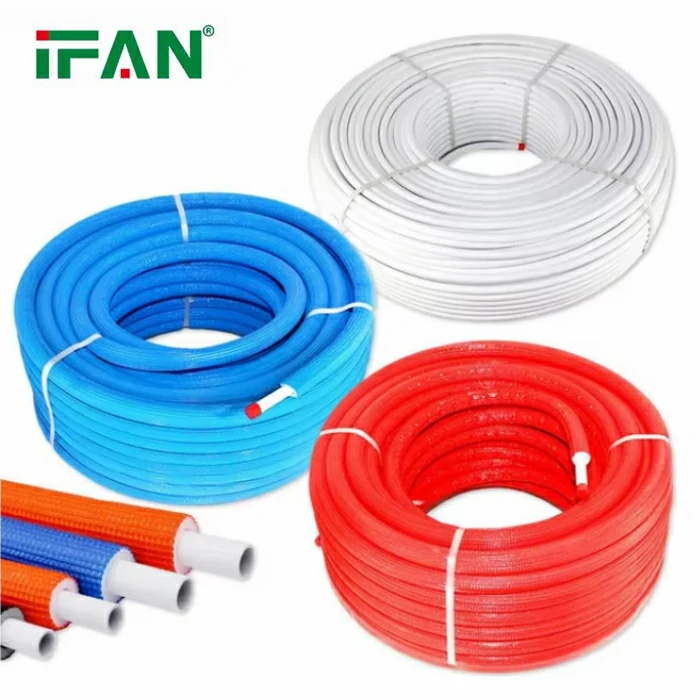
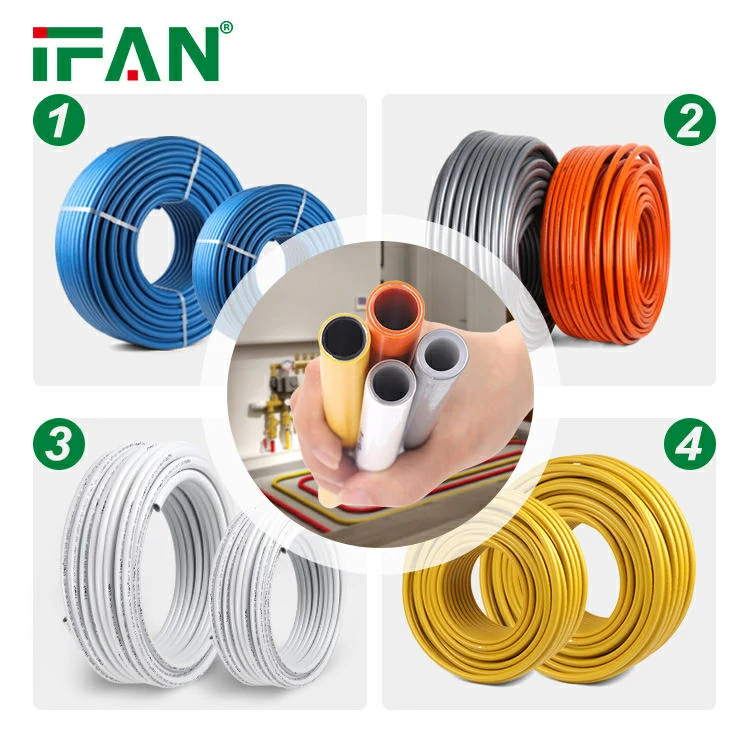
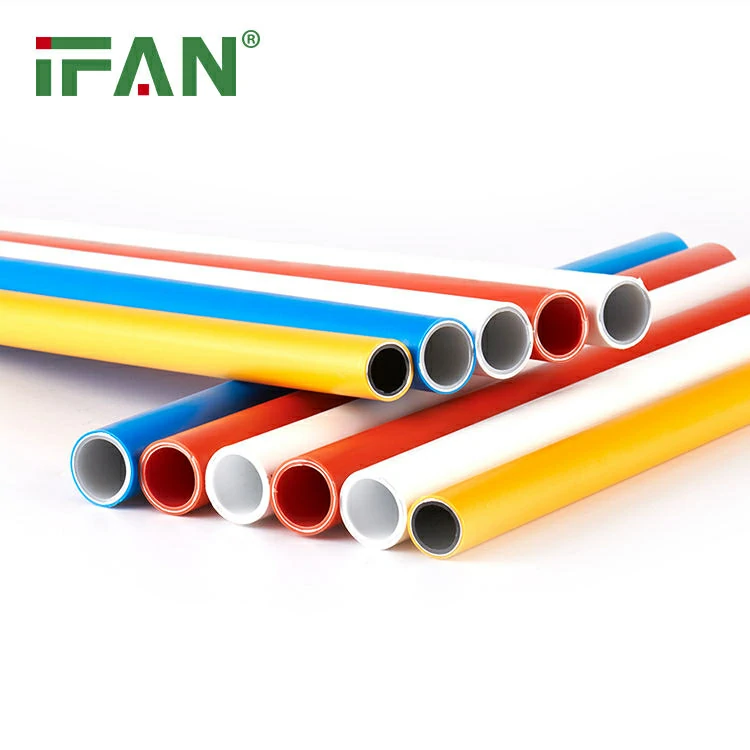
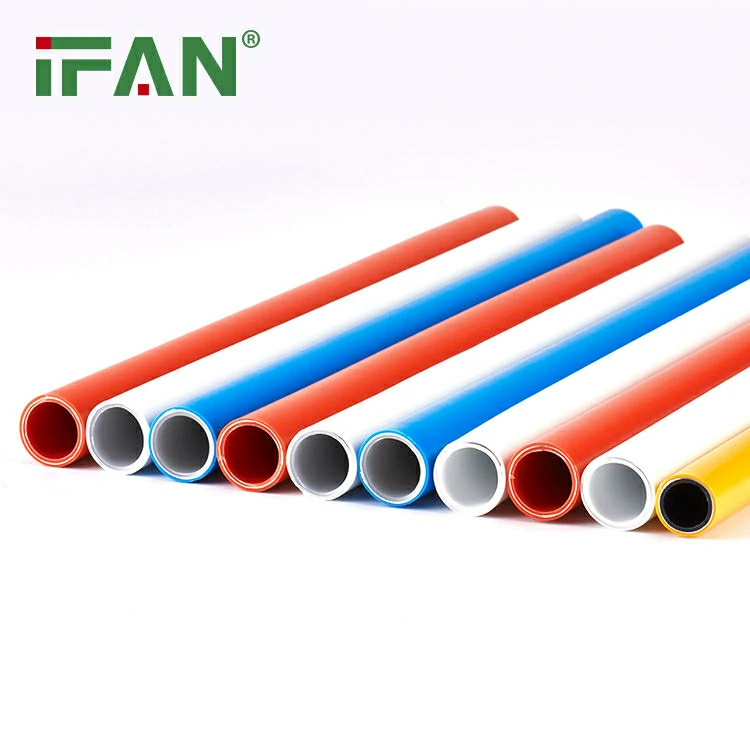
IFAN factory 30+ years manufacture experience support color /size customization support free sample.Welcome to consult for catalog and free samples.This is our Facebook Website:www.facebook.com,Click to watch IFAN’s product video.Compared with Tomex products, our IFAN products from quality to price are your best choice, welcome to buy!
When selecting piping systems for construction, plumbing, or industrial use, you have various material options. Among these, High-Density Polyethylene (HDPE) fittings have become increasingly popular due to their exceptional durability and flexibility. However, traditional piping materials like PVC, copper, and steel have long been staples in the industry. So, which option is better for your system? This article will compare HDPE fittings with traditional piping, evaluating their benefits, drawbacks, and key differences to help you make an informed choice for your next project.
What Are HDPE Fittings?
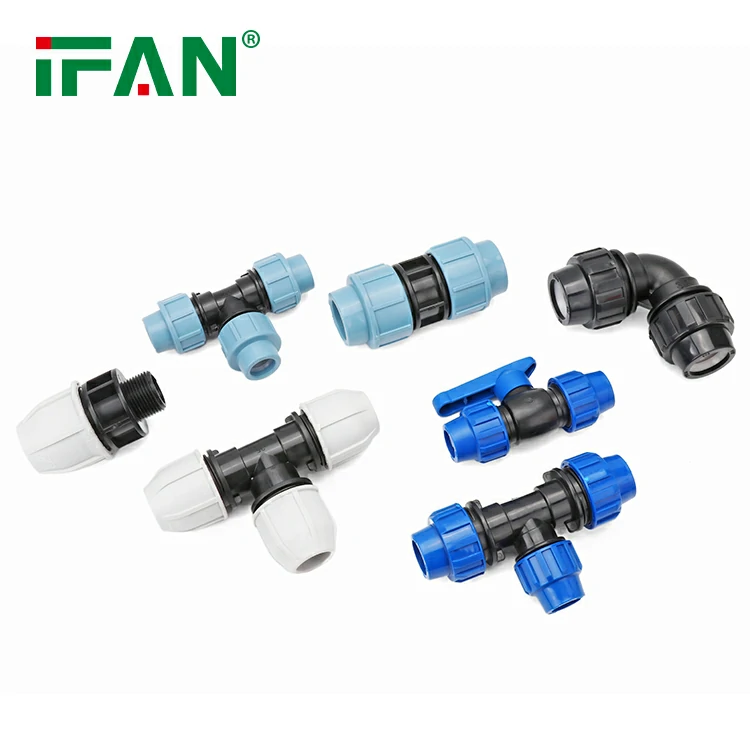
HDPE fittings are components made from High-Density Polyethylene, a thermoplastic polymer that is strong, flexible, and resistant to chemical damage. HDPE is commonly used in a variety of industries, including construction, agriculture, water treatment, and even in the oil and gas sectors. These fittings come in a range of forms, including elbows, tees, couplings, and flanges, and are designed to connect, redirect, or terminate piping systems.
Traditional Piping Materials
Traditional piping materials include:
- PVC (Polyvinyl Chloride): A rigid, inexpensive plastic commonly used for water and drainage systems.
- Copper: Known for its excellent corrosion resistance and antimicrobial properties, typically used in plumbing and heating systems.
- Steel: Steel pipes are strong and durable, commonly used for industrial applications and gas pipelines.
Each of these materials has been widely used for decades, but newer materials, like HDPE, are rapidly gaining ground due to their superior properties.
HDPE Fittings vs. Traditional Piping: Key Differences
1. Durability and Strength
One of the biggest advantages of HDPE fittings over traditional piping materials is their durability. HDPE is highly resistant to corrosion, abrasion, and chemical degradation, which makes it ideal for use in harsh environments. It’s not susceptible to rust like steel or copper, and it won’t degrade when exposed to chemicals like PVC might.
In contrast, traditional materials like PVC can become brittle over time, especially when exposed to UV light, and may fail under extreme temperature fluctuations. Copper, while durable, is more prone to corrosion in certain water conditions, and steel pipes, though strong, can rust and deteriorate when exposed to moisture or certain chemicals.
2. Flexibility and Ease of Installation
HDPE fittings are highly flexible, allowing them to bend and conform to the system without the need for additional fittings like elbows or joints. This flexibility makes installation faster and easier, particularly in complex systems with irregular layouts. HDPE pipes are often joined using heat fusion, which creates seamless, leak-free connections.
On the other hand, traditional piping materials like copper and steel are rigid and require more fittings to achieve the desired system layout. PVC is relatively flexible compared to copper and steel, but it lacks the flexibility of HDPE and may require extra joints to navigate corners or obstructions.
3. Resistance to Chemicals and Corrosion
HDPE is highly resistant to corrosion, chemicals, and environmental stress. It’s suitable for transporting water, sewage, chemicals, and even oils. The material’s resistance to acids, bases, and solvents makes it a superior choice for industries where chemical exposure is common.
Traditional materials like copper are resistant to corrosion but can be damaged by acidic or basic substances. PVC, while resistant to some chemicals, may degrade over time when exposed to certain solvents or UV light. Steel is durable but prone to rust, especially in moisture-rich environments or when exposed to salts and chemicals.
4. Cost-Effectiveness
When it comes to cost, HDPE is often more affordable than traditional piping materials, especially when considering the long-term costs associated with repairs and maintenance. HDPE’s resistance to corrosion means fewer repairs and replacements over the lifespan of the system, making it a cost-effective choice in the long run.
While PVC tends to be cheaper upfront, it can degrade over time and may require frequent replacement, particularly in outdoor or chemically-intensive environments. Copper and steel pipes are more expensive upfront and also require more labor for installation due to their rigidity and the need for additional fittings.
5. Lifespan
HDPE pipes can last for decades with minimal maintenance, often exceeding 50 years in service life. The material’s resistance to corrosion, chemical degradation, and environmental stress means that it is well-suited for both residential and industrial applications.
Traditional piping materials also have long lifespans but are more susceptible to wear and tear. Copper and steel pipes can last for several decades but may need periodic maintenance to prevent corrosion or rust. PVC, while cost-effective initially, may only last for 25–30 years and can be more prone to cracking over time, especially when exposed to sunlight.
Advantages of HDPE Fittings Over Traditional Piping
- Longer Lifespan: HDPE fittings can last longer than PVC, copper, or steel due to their resistance to corrosion, rust, and environmental factors.
- Lower Maintenance Costs: The resistance to chemicals, abrasion, and UV degradation means less frequent repairs and replacements.
- Faster and Easier Installation: HDPE’s flexibility allows for faster and easier installation compared to rigid materials like copper or steel.
- Better Leak Resistance: The heat fusion method used to join HDPE pipes creates a completely leak-free connection, unlike traditional materials that may require additional sealing and tightening.
- Environmentally Friendly: HDPE is fully recyclable, making it a more eco-friendly option compared to copper and steel, which require more energy-intensive processes for recycling.
Disadvantages of HDPE Fittings
- Temperature Sensitivity: HDPE can soften and lose strength at high temperatures (above 60°C), which makes it unsuitable for certain applications that involve hot liquids or gases.
- UV Sensitivity: While HDPE is UV resistant, prolonged exposure to direct sunlight can cause degradation unless the material is treated with UV inhibitors.
- Not as Rigid: In applications where rigidity is needed, such as supporting heavy structures, HDPE’s flexibility may not be ideal.
Conclusion: Which Is Better for Your System?
The choice between HDPE fittings and traditional piping materials depends on your specific application. If you’re looking for a piping system that offers superior durability, flexibility, and resistance to chemicals, HDPE is a clear winner. It’s especially suitable for complex systems, chemical transportation, and water systems.
However, if your system requires higher temperature resistance or greater rigidity, traditional materials like copper or steel may be better suited to your needs. PVC can be a cost-effective choice for basic plumbing systems but may not stand up to harsh environmental conditions.
Frequently Asked Questions (FAQs)
- What are HDPE fittings made of?
HDPE fittings are made from High-Density Polyethylene, a flexible, durable thermoplastic polymer known for its resistance to chemicals, abrasion, and corrosion. - How long do HDPE fittings last?
HDPE fittings have a lifespan of over 50 years when properly maintained, thanks to their resistance to corrosion, chemicals, and environmental factors. - What are the advantages of HDPE over PVC?
HDPE offers superior resistance to chemicals, UV degradation, and environmental stress. It’s also more flexible, allowing for faster installation and fewer fittings. - Are HDPE fittings recyclable?
Yes, HDPE is a recyclable material, making it an environmentally friendly choice for piping systems. - Can HDPE be used for high-temperature applications?
HDPE is not ideal for high-temperature applications (above 60°C), as it may lose strength and deform. For high-temperature applications, materials like copper or steel are better suited.