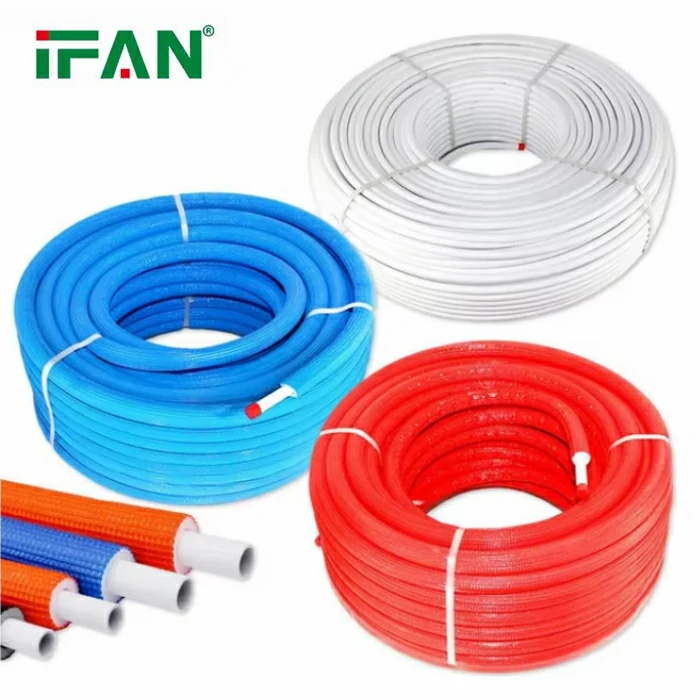
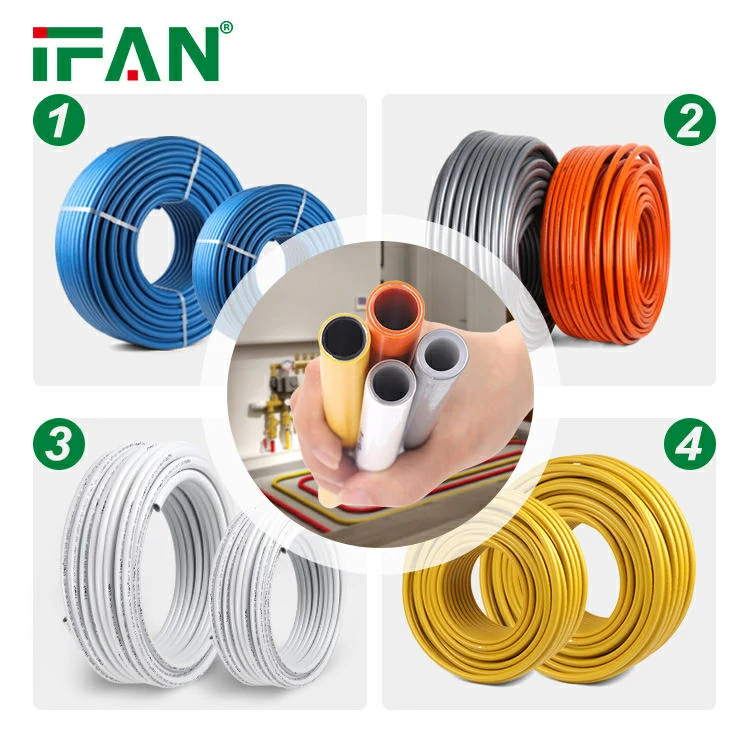
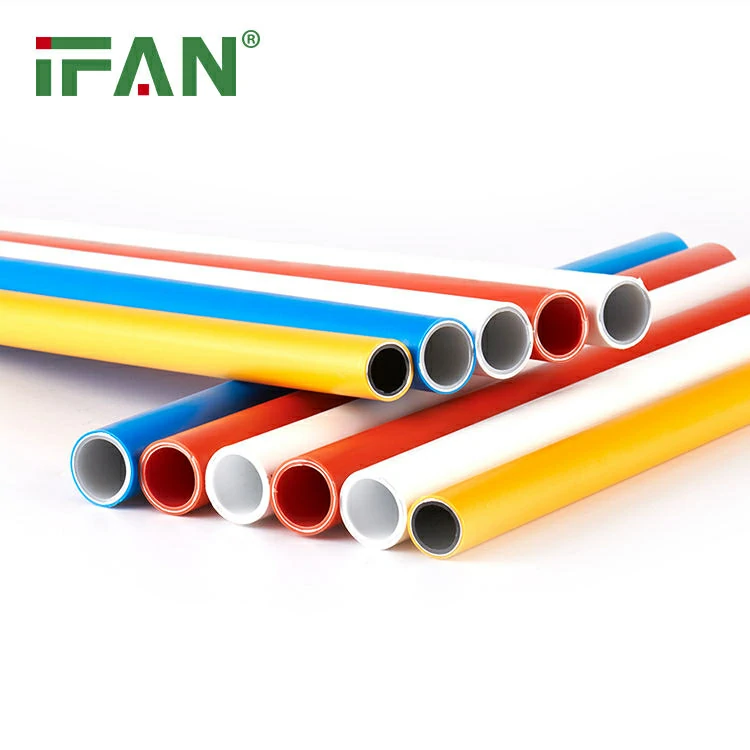
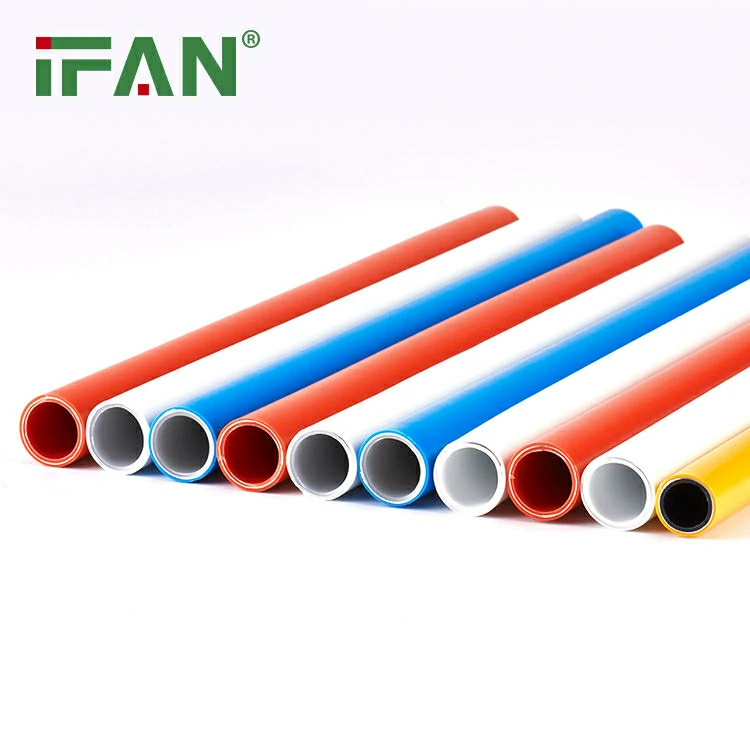
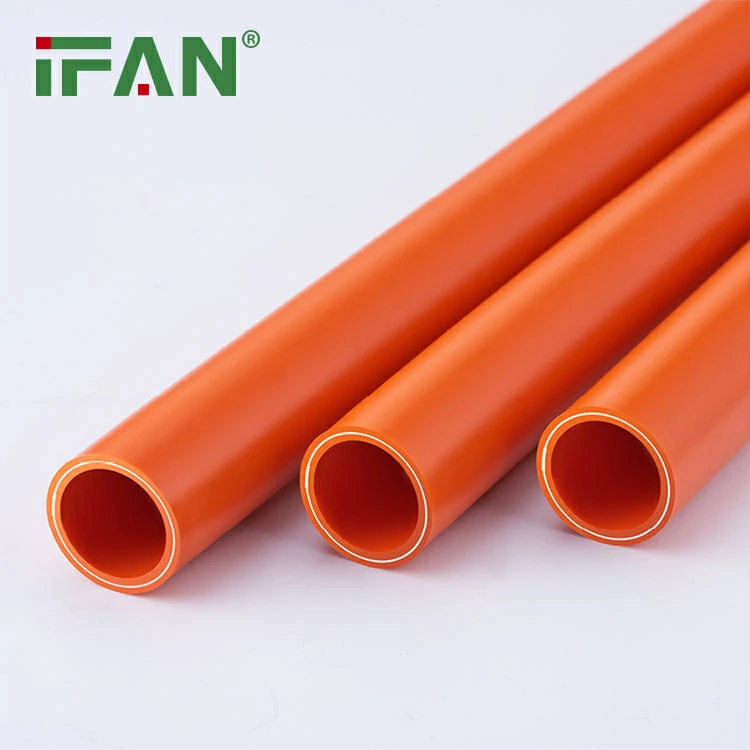
IFAN factory 30+ years manufacture experience support color /size customization support free sample.Welcome to consult for catalog and free samples.This is our Facebook Website:www.facebook.com,Click to watch IFAN’s product video.Compared with Tomex products, our IFAN products from quality to price are your best choice, welcome to buy!
Polypropylene Random Copolymer (PPR) fittings are widely used in plumbing systems due to their durability, resistance to corrosion, and ease of installation. However, like any plumbing component, PPR fittings can face certain issues over time. Identifying and solving these problems quickly can help maintain the efficiency and longevity of your plumbing system. In this article, we will discuss some common issues with PPR fittings and their solutions to help you keep your plumbing system in good working condition.
1. Leaks in PPR Fittings
Problem:
Leaks are one of the most common issues with PPR fittings. These leaks can occur at any joint or connection, leading to water wastage and potential damage to surrounding areas. Leaks can be caused by improper installation, poor-quality fittings, or wear and tear over time.
Solution:
To fix leaks in PPR fittings, ensure that the installation is done correctly, using the proper tools and techniques. If the fitting is damaged or worn out, it may need to be replaced. Here are some steps to address leaking PPR fittings:
- Check the installation: Verify that the pipe and fitting are correctly aligned. A misaligned pipe can cause stress at the joint, leading to leaks.
- Inspect the fusion process: If the PPR fittings were installed using heat fusion, ensure that the fusion process was done correctly. Poor fusion can lead to weak joints and leaks.
- Replace faulty fittings: If the fitting is damaged or worn out, replace it with a new one that matches the size and specifications of the existing system.
2. Cracking or Breaking of PPR Fittings
Problem:
PPR fittings can crack or break, especially under extreme pressure or temperature changes. This can lead to major leaks or a complete breakdown of the plumbing system. Cracking is often caused by physical impact, freezing, or exposure to excessive heat.
Solution:
To avoid cracking or breaking, take the following precautions:
- Avoid freezing: Ensure that PPR pipes and fittings are properly insulated in cold environments to prevent freezing. Freezing water inside the pipes can cause the fittings to crack under pressure.
- Maintain temperature limits: PPR fittings are designed to withstand certain temperature ranges. Avoid exposing them to temperatures that exceed their rated limits, as this can cause the material to weaken and crack.
- Proper handling: During installation, avoid dropping or hitting the fittings. Physical impact can cause small cracks that may grow over time.
- Replace cracked fittings: If a fitting is found to be cracked, it should be replaced immediately to prevent further damage and ensure the integrity of the system.
3. Incompatibility with Other Materials
Problem:
PPR fittings are specifically designed to work with PPR pipes. When used with incompatible materials such as metal pipes, leaks and other issues can occur. The differences in expansion rates between materials can also cause stress at the connection points.
Solution:
To prevent issues with material incompatibility:
- Use compatible fittings: Ensure that the fittings you are using are designed to work with PPR pipes. If connecting PPR pipes to another material (such as metal), make sure to use transition fittings that are specifically designed for this purpose.
- Consult with professionals: If you’re unsure about the compatibility of different materials, consult a professional plumber who can recommend the best approach for your specific system.
4. Poor Heat Fusion Joints
Problem:
One of the main advantages of PPR fittings is the heat fusion process, which creates strong and durable joints. However, if the fusion process is not done correctly, the joint may not be strong enough to withstand the pressure, leading to leaks or failure.
Solution:
To ensure proper heat fusion and avoid poor joints:
- Use proper equipment: Always use a heat fusion machine designed for PPR fittings. This ensures that the pipes and fittings reach the right temperature and form a solid bond.
- Follow manufacturer instructions: Different PPR fitting brands may have specific fusion guidelines. Make sure to follow these guidelines carefully to avoid any installation errors.
- Test joints: Before putting the system into use, test the fusion joints for leaks. If any leaks are found, the affected joint may need to be reheated and fused again.
5. Blockages in PPR Pipes
Problem:
Blockages in PPR pipes can occur due to the accumulation of debris, sediment, or scale. These blockages can reduce water flow and put pressure on the plumbing system, leading to potential damage or reduced efficiency.
Solution:
To prevent and resolve blockages in PPR pipes:
- Regular maintenance: Clean and flush the plumbing system regularly to remove debris and buildup that may cause blockages.
- Install filters: If your water supply has high levels of sediment or debris, consider installing filters at key points in the system to prevent particles from entering the pipes.
- Clear blockages: If a blockage occurs, use a plunger or pipe snake to remove the obstruction. Avoid using harsh chemicals that could damage the pipes.
6. Discoloration of PPR Fittings
Problem:
Discoloration of PPR fittings is another common issue that may occur due to exposure to chemicals, sunlight, or high temperatures. While this doesn’t always affect the performance of the fittings, it can be unsightly.
Solution:
To prevent discoloration:
- Protect from UV exposure: PPR fittings can degrade when exposed to ultraviolet (UV) rays. If your plumbing system is exposed to sunlight, consider using UV-resistant coatings or enclosing the system to protect it.
- Avoid harsh chemicals: Some chemicals can cause the material of PPR fittings to degrade and discolor. Use only approved cleaning agents and avoid harsh solvents or acids.
7. Over-tightening of Fittings
Problem:
Over-tightening PPR fittings during installation can cause damage to the threads or the fittings themselves. This can lead to cracks, leaks, or even complete failure of the connection.
Solution:
To avoid over-tightening:
- Use the correct tools: Always use the proper tools and torque settings to tighten PPR fittings. Over-tightening can cause unnecessary stress on the material.
- Hand-tighten where possible: For threaded connections, hand-tightening is usually sufficient. If you need to use a wrench, apply only moderate pressure.
Conclusion
PPR fittings are an excellent choice for plumbing systems due to their strength, durability, and ease of use. However, like any component, they can face issues such as leaks, cracks, and blockages. By understanding the common problems and applying the appropriate solutions, you can ensure the long-term success of your plumbing system.
Regular maintenance, proper installation techniques, and careful handling of PPR fittings will help prevent many of these issues. If you encounter any significant problems, it’s always best to consult a professional plumber to avoid further damage and ensure your system continues to function efficiently.
FAQs
1. What is the lifespan of PPR fittings?
PPR fittings have an impressive lifespan, often lasting up to 50 years or more when properly installed and maintained.
2. How do I know if my PPR fitting is installed correctly?
Ensure that the pipe and fitting are properly aligned and fused. If you’re using threaded fittings, ensure they are hand-tightened or torqued appropriately to avoid leaks.
3. Can I use PPR fittings for hot water systems?
Yes, PPR fittings are designed to handle both hot and cold water systems, making them ideal for residential and commercial plumbing.
4. How do I prevent blockages in PPR pipes?
Regularly clean and maintain your PPR pipes, install filters if necessary, and ensure your water supply is free of excessive sediment or debris.
5. What should I do if I experience a leak in my PPR fitting?
Inspect the joint for proper alignment, check the fusion process, and replace any damaged fittings to prevent further leakage.