Introduction
In today’s plumbing industry, PPR (Polypropylene Random Copolymer) fittings have revolutionized piping systems with their durability, flexibility, and efficiency. At BEAMAN PIPING SOLUTIONS, we pride ourselves on delivering high-quality PPR fittings that meet global standards for residential, commercial, and industrial applications. Whether you’re a contractor, plumber, or DIY enthusiast, our PPR fittings ensure leak-proof, long-lasting, and cost-effective solutions for all your piping needs.
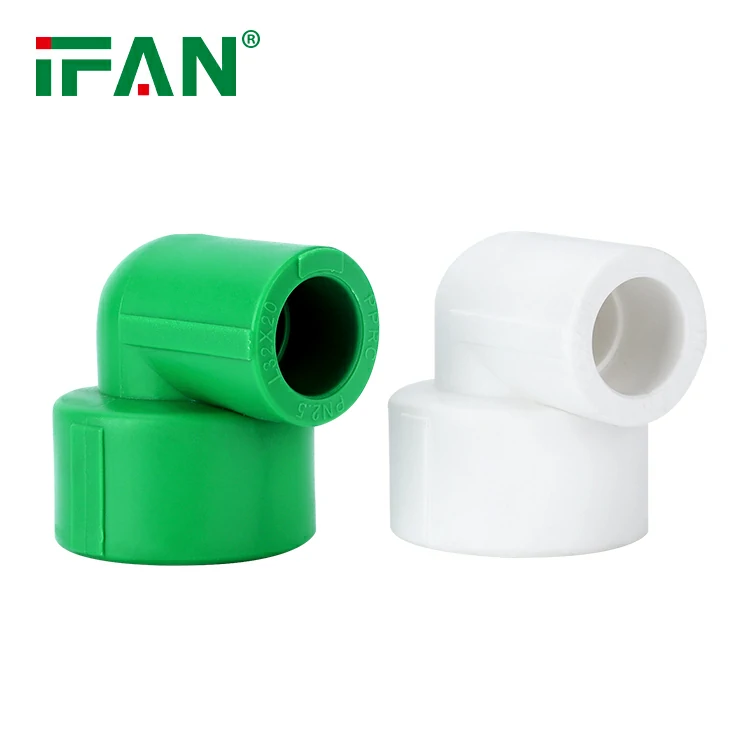
Why PPR Fittings Are the Best Choice for Modern Plumbing
1. Exceptional Durability
PPR fittings are highly resistant to chemical corrosion, scaling, and abrasion, making them ideal for both hot and cold water systems. Unlike metal pipes, they do not rust or degrade, ensuring a lifespan of 50+ years.
2. Superior Heat & Pressure Resistance
PPR fittings can withstand temperatures up to 140°C (284°F) and high-pressure conditions, making them perfect for HVAC systems, industrial pipelines, and domestic hot water distribution.
3. Leak-Proof Joints with Heat Fusion Welding
Traditional pipe fittings rely on threaded connections, which can loosen over time. PPR fittings, however, are joined using heat fusion welding, creating a monolithic, leak-free bond that eliminates the risk of water damage.
4. Lightweight & Easy to Install
PPR pipes and fittings are significantly lighter than metal or PVC alternatives, reducing transportation costs and making installation faster and more efficient.
5. Eco-Friendly & Safe for Drinking Water
Made from non-toxic, BPA-free polypropylene, PPR fittings are 100% safe for potable water systems and comply with ISO, DIN, and ASTM safety standards.
BEAMAN PIPING SOLUTIONS: Your Trusted PPR Fittings Supplier
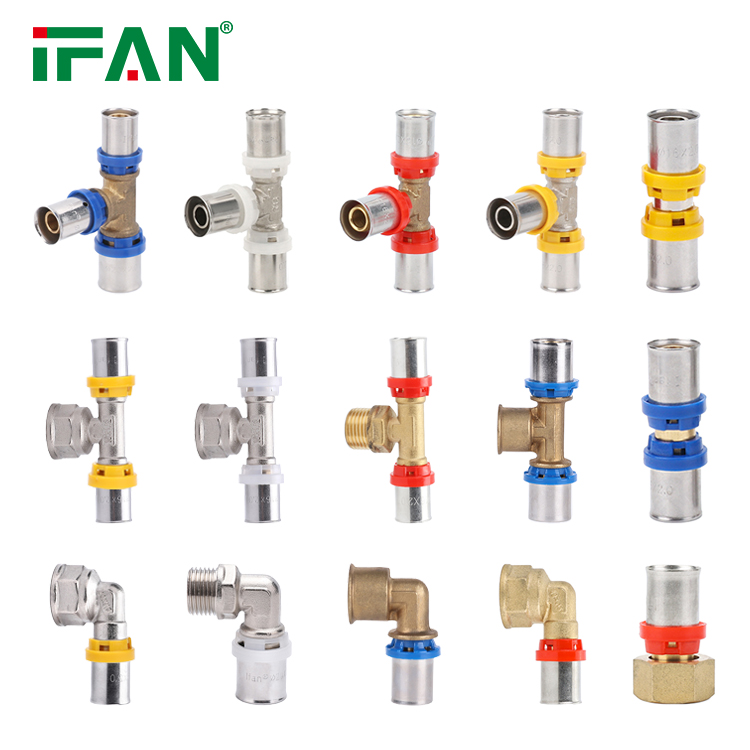
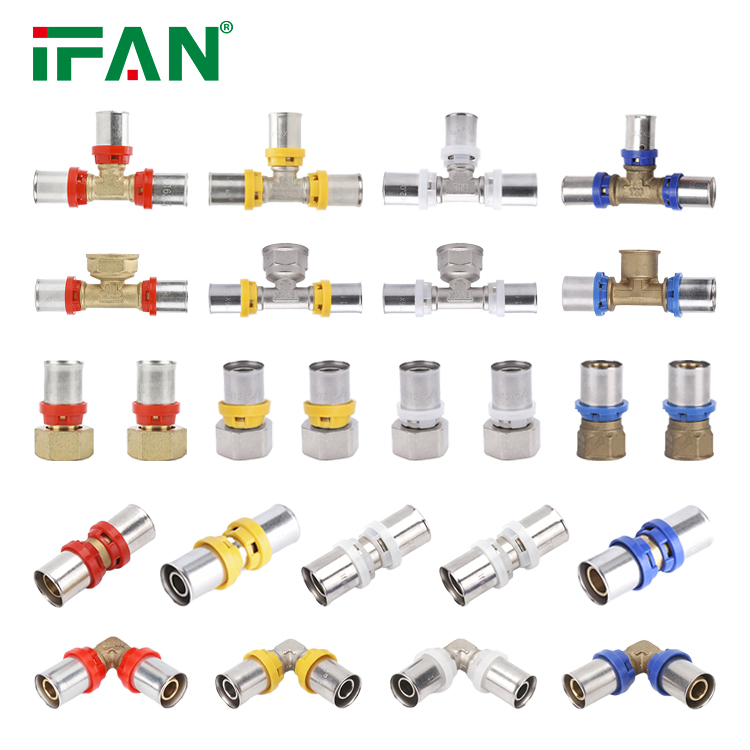
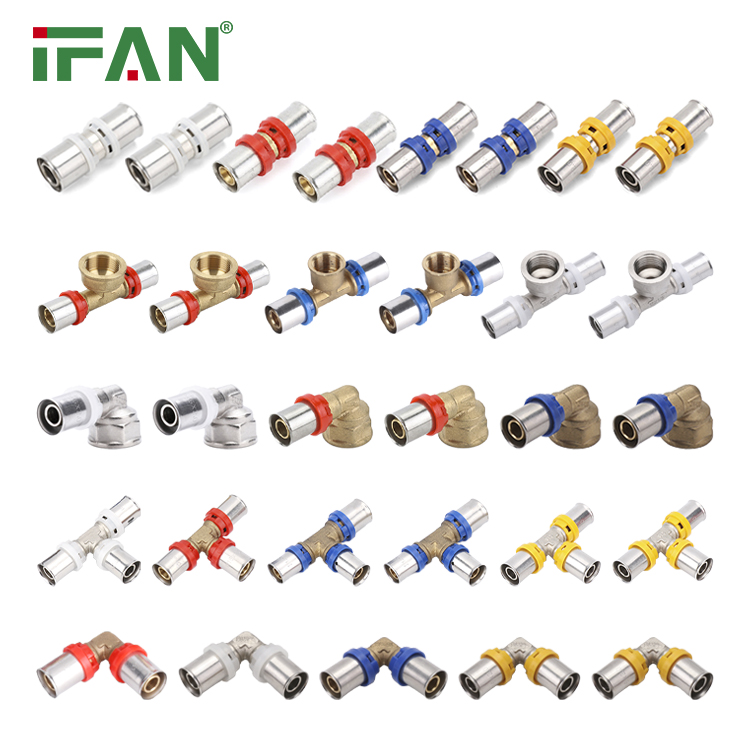
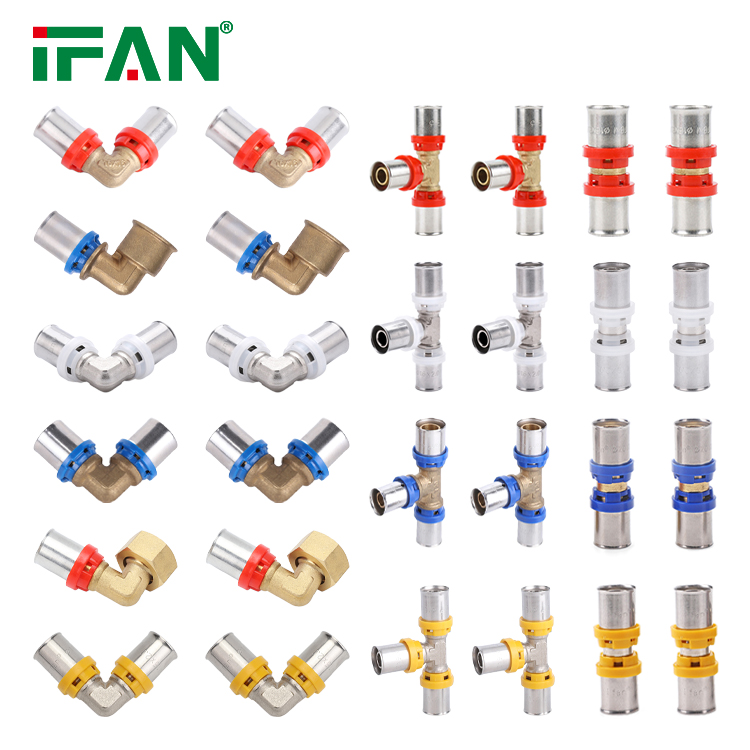
We offer a comprehensive range of PPR fittings, including:
✔ PPR Elbows (90° & 45°) – For smooth directional changes in pipelines.
✔ PPR Tees & Crosses – Ideal for branching water supply lines.
✔ PPR Couplings & Unions – Ensuring secure, straight-line connections.
✔ PPR Ball Valves & Stop Valves – For precise flow control.
✔ PPR Reducers & Adapters – Seamlessly connecting pipes of different diameters.
✔ PPR End Caps & Plugs – Safely sealing pipe ends when needed.
Our PPR fittings are manufactured using virgin-grade raw materials and undergo strict quality control to ensure maximum durability, pressure resistance, and thermal stability.
Key Applications of PPR Fittings
✅ Residential Plumbing – Safe and durable piping for homes and apartments.
✅ Commercial Buildings – Efficient water distribution in offices, hotels, and hospitals.
✅ Industrial Piping – Chemical-resistant solutions for factories and processing plants.
✅ HVAC & Heating Systems – Reliable hot water circulation in radiators and underfloor heating.
✅ Agriculture & Irrigation – Corrosion-free transport for water and liquid fertilizers.
Why Choose BEAMAN PIPING SOLUTIONS?
🔹 Premium Quality – We use high-grade PPR material for unmatched durability.
🔹 Precision Engineering – Every fitting is tested for pressure, heat resistance, and leak-proof performance.
🔹 Competitive Pricing – Affordable solutions without compromising quality.
🔹 Global Certifications – Compliant with ISO 9001, DIN, and ASTM standards.
🔹 Expert Support – Our team provides technical guidance for hassle-free installations.
Conclusion
When it comes to PPR fittings, BEAMAN PIPING SOLUTIONS stands as a trusted global supplier, offering high-performance, sustainable, and cost-effective solutions for all plumbing needs. Whether you’re upgrading an existing system or installing a new one, our PPR fittings guarantee longevity, efficiency, and peace of mind.
Choose BEAMAN PIPING SOLUTIONS for superior PPR fittings today!
5 Frequently Asked Questions (FAQs) About PPR Fittings
1. What are the advantages of PPR fittings over PVC or metal pipes?
PPR fittings are more durable, heat-resistant, and corrosion-proof compared to PVC or metal pipes. They also provide leak-proof joints through heat fusion welding, unlike threaded metal connections.
2. Can PPR fittings be used for hot water systems?
Yes! PPR fittings can handle continuous hot water temperatures up to 70°C (158°F) and short-term exposure up to 140°C (284°F), making them ideal for central heating and solar water systems.
3. How do I install PPR fittings correctly?
PPR fittings require heat fusion welding, where pipes and fittings are heated with a welding machine and joined seamlessly. Proper tools and techniques ensure a permanent, leak-free connection.
4. Are PPR fittings recyclable?
Yes! PPR is an eco-friendly, recyclable material, reducing environmental impact compared to traditional metal or PVC pipes.
5. Where can I buy high-quality PPR fittings?
BEAMAN PIPING SOLUTIONS supplies premium PPR fittings globally. Contact us for competitive pricing, bulk orders, and expert support!
For more details, visit BEAMAN PIPING SOLUTIONS—your trusted partner for top-grade PPR fittings!