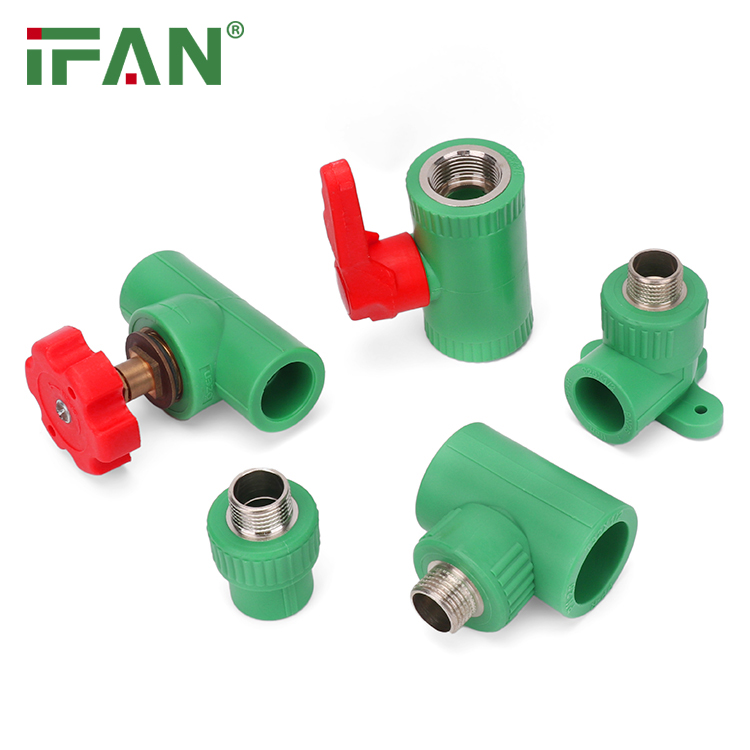
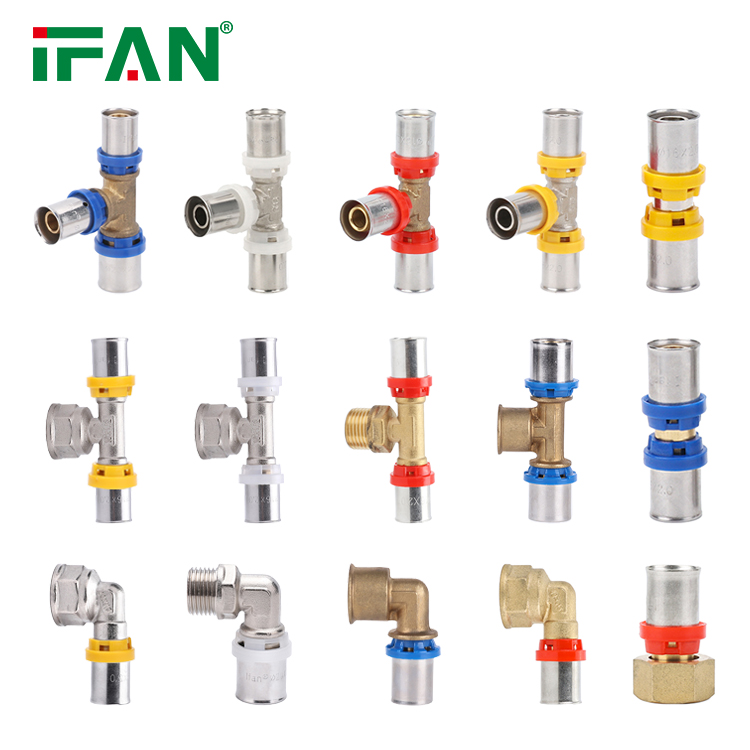
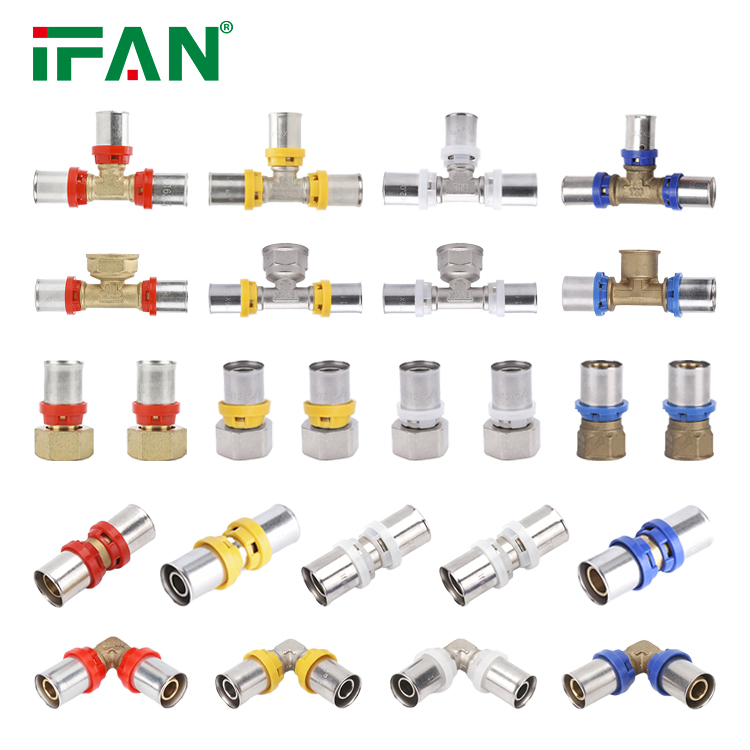
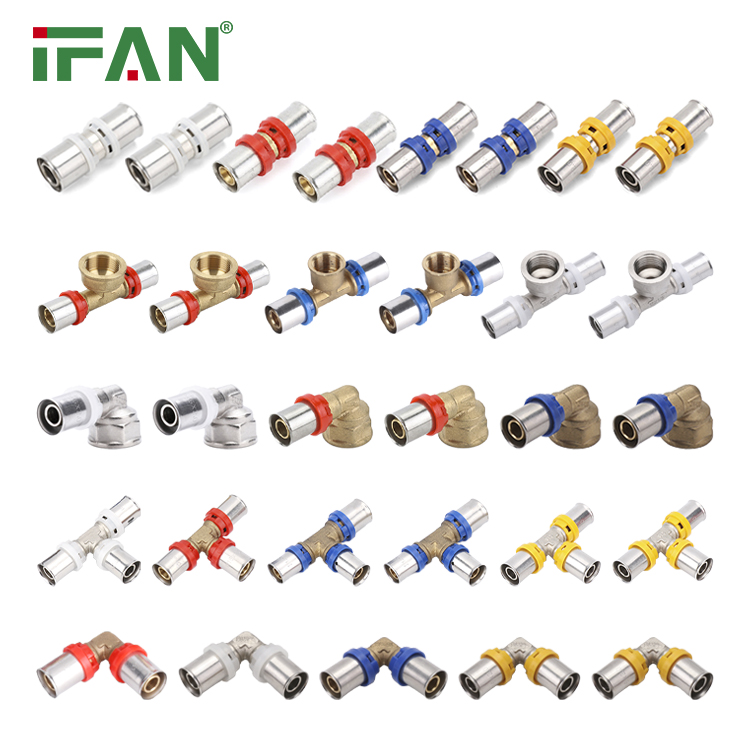
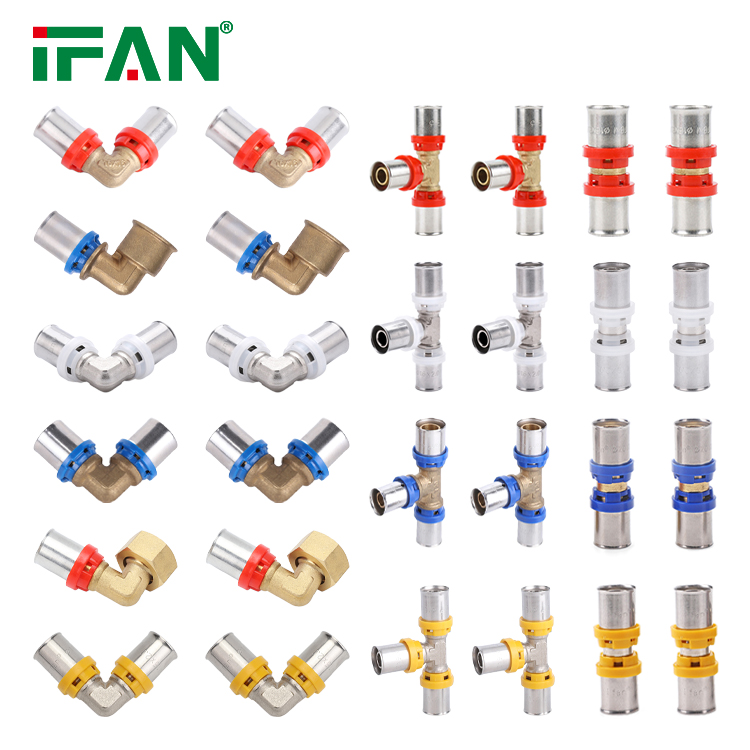
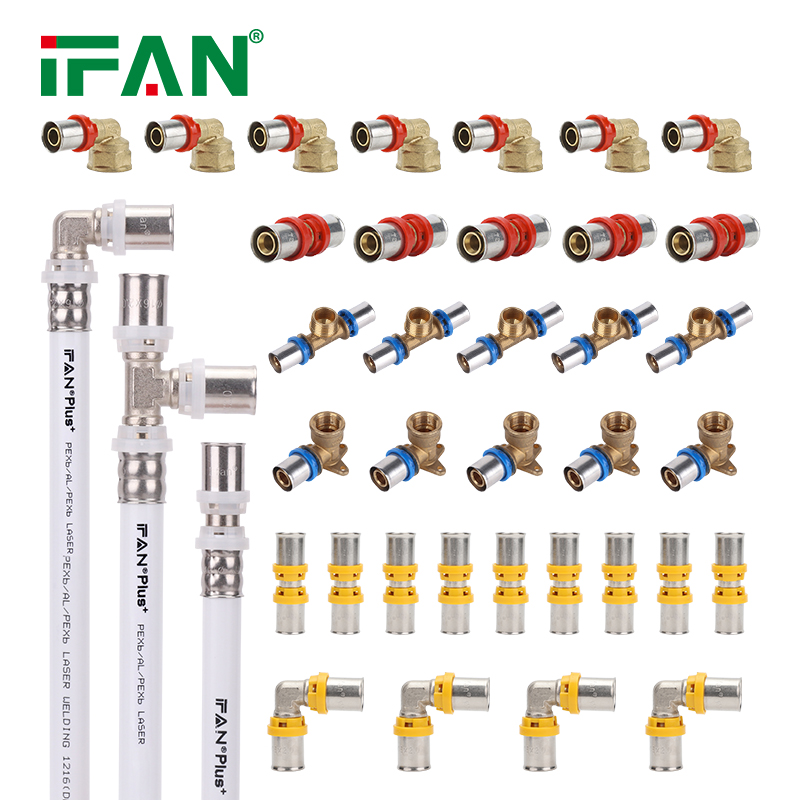
PPR pipe fittings are highly beneficial and offer numerous advantages over traditional piping systems. These fittings are made from high-quality raw materials that ensure superior durability and performance. They are widely used in a variety of applications, including plumbing, heating, and water supply systems.
One of the key benefits of PPR pipe fittings is their resistance to high temperatures. They can withstand temperatures of up to 95°C, making them ideal for use in hot water supply systems. This durability also makes them an attractive option for industrial piping applications where high temperatures are a common occurrence.
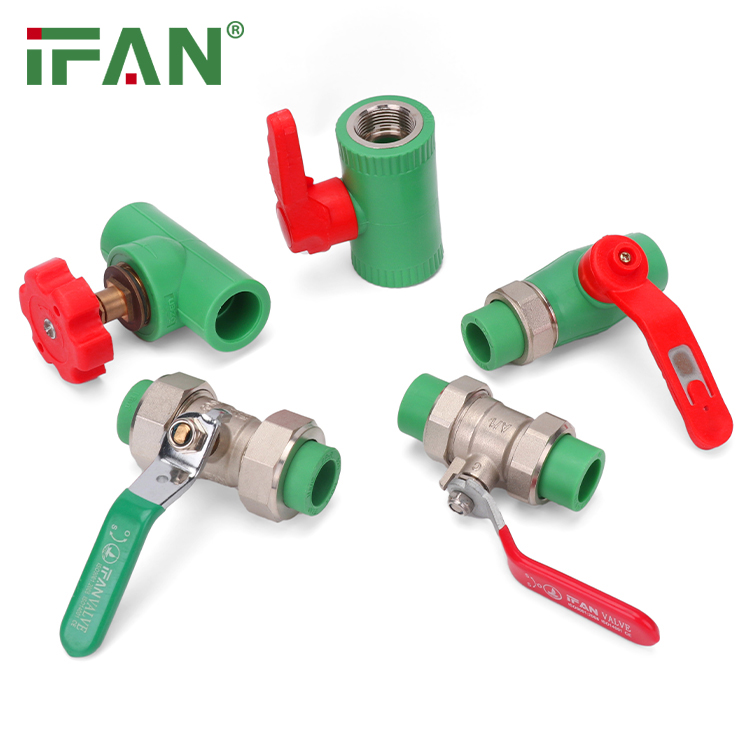
Another advantage of PPR pipe fittings is their ability to handle high-pressure systems. They have a high burst resistance and can withstand pressures of up to 30 bar. This makes them suitable for use in high-pressure water supply systems and other applications that require the transport of pressurized fluids.
PPR pipe fittings are also highly resistant to corrosion and chemical damage. This makes them an attractive option for use in chemical processing plants, wastewater treatment facilities, and other harsh environments that require durable and long-lasting piping systems.
Moreover, PPR pipe fittings are lightweight and easy to install. They require minimal tools and equipment, reducing installation time and labor costs. PPR fittings can be easily welded together, and their modular design allows for easy customization to fit specific project requirements.
Additional benefits of PPR pipe fittings include their excellent flow characteristics, low noise transmission, and low maintenance requirements. They are also eco-friendly and recyclable, making them a sustainable and responsible choice for piping systems.
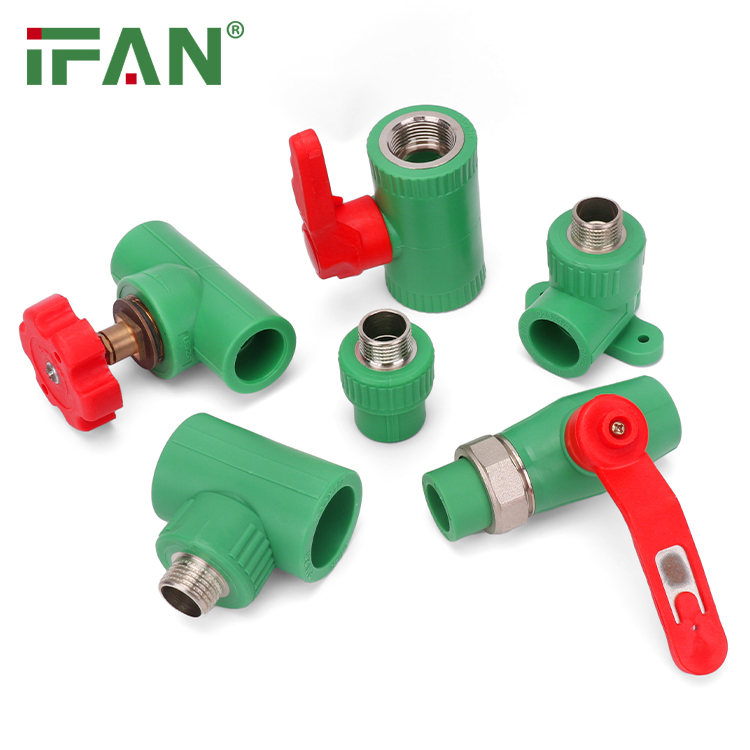
In conclusion, PPR pipe fittings are highly beneficial and offer numerous advantages over traditional piping systems. They are durable, resistant to high temperatures and pressures, and can withstand harsh environments. They are also easy to install, require minimal maintenance, and are eco-friendly. These benefits make PPR pipe fittings an excellent choice for a wide range of applications, ensuring superior performance and long-lasting durability.