Introduction
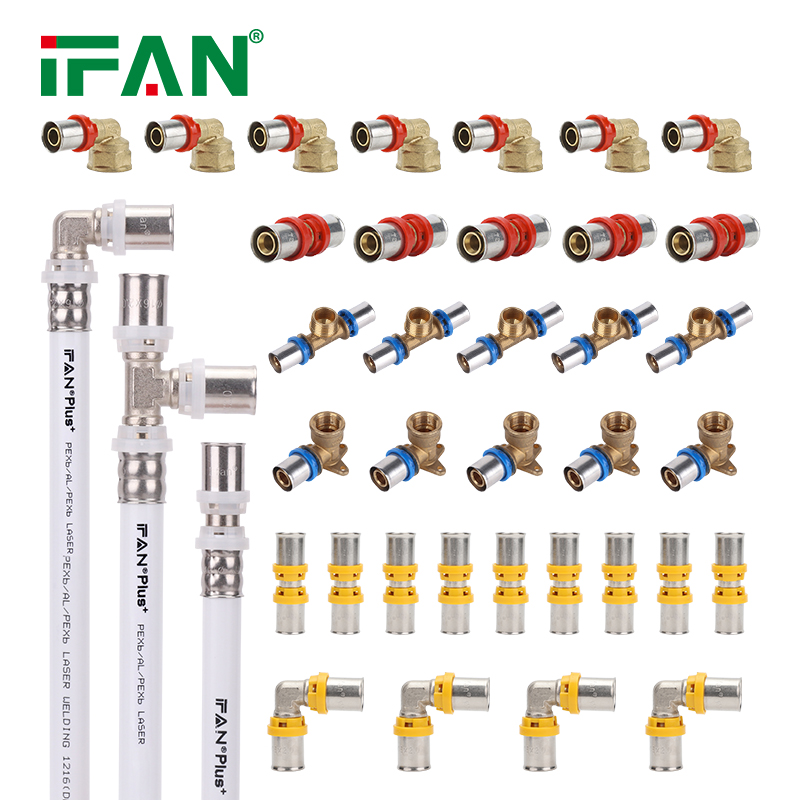
Press-fit fixation is a widely used technique in femoral knee implant surgery, offering advantages like avoiding bone cement complications. However, the long-term stability of these implants relies on understanding bone stress relaxation—a phenomenon where bone tissue gradually reduces stress under constant strain. This article explores bone stress relaxation in press-fit femoral knee implants through a combined experimental and computational analysis, drawing parallels to pipe press fittings to simplify concepts. We’ll delve into methodologies, results, and implications for implant design and surgical practices.
What is Bone Stress Relaxation?
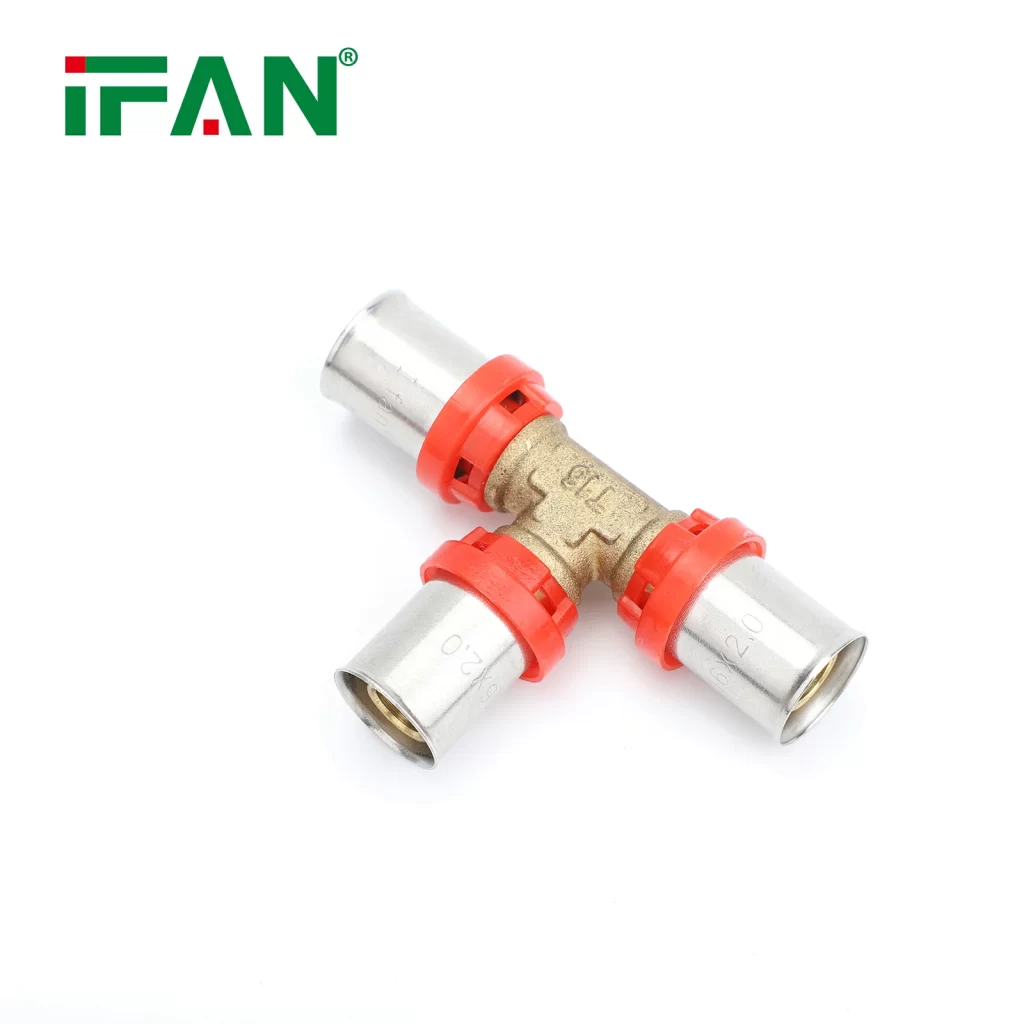
Bone stress relaxation occurs when bone, subjected to a constant deformation (like that from a press-fit implant), experiences a gradual reduction in internal stress over time. This is critical in orthopedic implants because excessive stress can lead to bone resorption or implant loosening, while insufficient stress may cause poor integration. In press-fit fixation, the implant is inserted tightly into the bone, similar to how pipe press fittings are secured in plumbing systems through compressive forces. Understanding this process helps improve implant longevity and patient outcomes.
Experimental Analysis
The experimental phase involved laboratory tests on bone samples and implant prototypes. Synthetic bone models (e.g., polyurethane foam) and cadaveric femoral bones were used to simulate press-fit implantation. Sensors measured initial stress levels during implant insertion and monitored changes over weeks. Results showed a significant stress reduction within the first 48 hours, followed by a gradual plateau. This mirrors behavior in pipe press fittings, where initial high pressure from compression relaxes slightly as materials adapt, ensuring a stable seal. Key findings included:
- Stress decreased by 20-30% within the first week.
- Bone density and quality influenced relaxation rates.
- Higher initial press-fit force led to more pronounced relaxation but better initial stability.
Computational Analysis
Computational models, using finite element analysis (FEA), simulated bone-implant interactions. These models incorporated bone material properties, implant geometry, and loading conditions. The simulations predicted stress distribution and relaxation over time, validating experimental data. Parameters like bone porosity and implant surface texture were varied to optimize design. Comparisons to pipe press fittings were helpful; FEA techniques similar to those used in analyzing press-fit joints in piping systems were applied to ensure accuracy. Outcomes included:
- Identification of high-stress zones prone to resorption.
- Optimization of implant shape for even stress distribution.
- Predictions of long-term stability under physiological loads.
Implications for Implant Design and Surgery
The combined analysis suggests that controlling press-fit force and implant design can mitigate excessive stress relaxation. For instance, textured implant surfaces promote bone ingrowth, reducing relaxation effects. Surgical techniques should balance initial stability with minimal bone damage. Lessons from pipe press fittings—where precise tolerances and material compatibility are key—highlight the importance of customization based on bone quality. This approach enhances osseointegration and reduces revision rates.
Conclusion
Bone stress relaxation in press-fit femoral knee implants is a complex but manageable process. Through experimental and computational analysis, we’ve shown how stress evolves post-implantation, akin to pipe press fittings in engineering. This insight aids in designing better implants and improving surgical outcomes. Future research should focus on patient-specific models and long-term clinical studies.
FAQs
- What is press-fit fixation in knee implants?
Press-fit fixation involves securing an implant without cement by compressing it into the bone, relying on friction and bone growth for stability. - How does stress relaxation affect implant longevity?
Excessive stress relaxation can lead to implant loosening over time, but controlled relaxation may promote stability by reducing peak stresses. - Why compare knee implants to pipe press fittings?
Pipe press fittings use similar press-fit principles, where compressive forces create a seal, making them a useful analog for understanding mechanical behavior. - What methods are used to study stress relaxation?
Combined experimental tests (e.g., sensor-based monitoring) and computational simulations (e.g., finite element analysis) are employed. - Can stress relaxation be minimized?
Yes, through optimized implant design, material selection, and surgical techniques that ensure balanced initial stress and bone adaptation.