Introduction
Borealis, a global leader in polyolefin solutions, has announced a significant industry milestone: the updated DIN standards for water pressure piping systems now officially recognize PP-RCT (Polypropylene Random Crystalline Structure) for use in PPR fittings. This marks a critical development in the thermoplastic piping world, promising better performance, pressure resistance, and longevity.
This article explores how this standard update is redefining the PPR fitting category, and why PP-RCT is the future of high-pressure and hot water plumbing systems.
What Is a PPR Fitting?
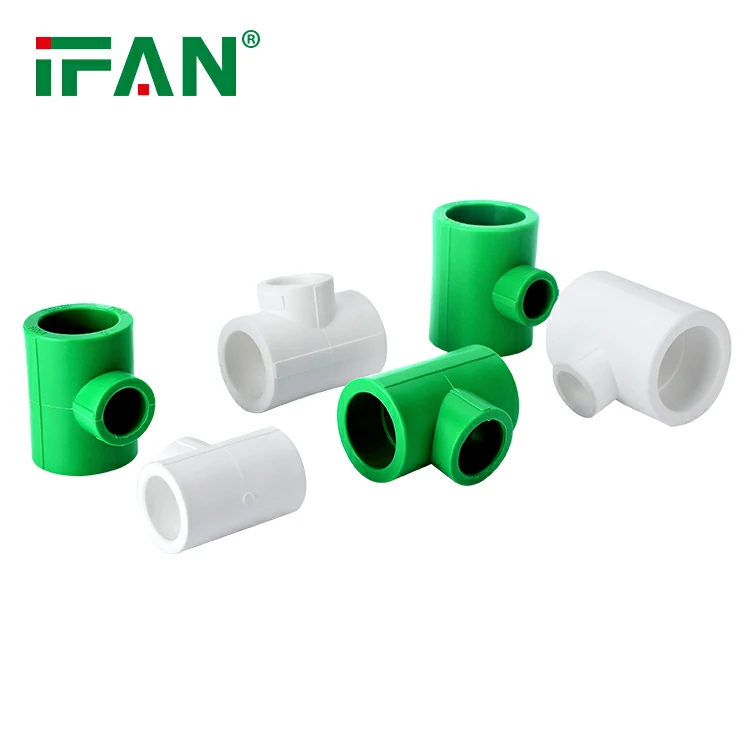
A PPR fitting refers to a plumbing component made from Polypropylene Random Copolymer, designed to connect PPR pipes in hot and cold water systems, heating networks, and industrial applications. These fittings are typically joined using heat fusion welding, ensuring seamless, leak-proof connections.
Common PPR fittings include:
- Elbows and tees
- Couplers and reducers
- Ball valves and end caps
- Brass-threaded transition fittings
Now, with the advent of PP-RCT, these components can perform even better under more demanding conditions.
What Is PP-RCT and Why Does It Matter?
PP-RCT stands for Polypropylene Random Crystalline Temperature resistant. It is a next-generation PPR material with:
- Higher pressure ratings at elevated temperatures
- Improved resistance to thermal aging
- Enhanced pipe wall strength
- Smaller outer diameters for the same pressure class
Thanks to crystallized molecular structure, PP-RCT allows thinner pipe walls while maintaining—or exceeding—standard performance expectations.
Recognition by DIN Standards
The DIN 8077/8078 standards, which govern plastic pipe dimensions and tolerances for pressure systems, now include PP-RCT as an approved material for water pressure applications. This development means:
- Certified use of PP-RCT in domestic water supply, central heating, and industrial transport
- Inclusion of PP-RCT-based PPR fittings in DIN-conforming piping systems
- Wider acceptance of PP-RCT in building codes and international projects
Borealis, one of the earliest PP-RCT developers, has played a key role in pushing this update forward.
Benefits of PP-RCT in PPR Fittings
1. Higher Temperature Resistance
PP-RCT maintains structural integrity at up to 100°C, outperforming traditional PPR’s 95°C limit—ideal for high-temperature hot water or district heating systems.
2. Increased Pressure Capability
Due to its crystalline matrix, PP-RCT can handle higher pressures over longer periods, reducing the risk of pipe failure in multi-story or industrial applications.
3. Thinner, Lighter Pipe Walls
Manufacturers can now produce smaller-diameter PPR fittings without sacrificing flow rate or strength, reducing material use and installation costs.
4. Extended Service Life
PP-RCT fittings boast lifespans exceeding 50 years, even under demanding thermal and pressure conditions.
5. Energy Efficiency
Thinner walls = less material = less energy in production, transport, and installation—making PP-RCT a sustainable solution for smart infrastructure.
Borealis’ Commitment to Innovation
As a trusted material supplier to global piping system manufacturers, Borealis is known for:
- BorPure™ PP-RCT compounds for pipes and fittings
- Technical support for converting manufacturers to PP-RCT
- Leading R&D that supports standardization and global adoption
- Helping customers achieve LEED, BREEAM, and green building certification
Their work ensures that PP-RCT-based PPR fitting systems can now be specified in more technically complex and environmentally conscious projects.
Applications of PP-RCT-Based PPR Fittings
These advanced PPR fittings are now widely used in:
- High-rise building plumbing networks
- Commercial HVAC and hot water systems
- Hospitals and laboratories with demanding hygiene and heat needs
- District heating networks
- Chemical process water transport
From Dubai to Munich, PP-RCT-enhanced piping is being trusted in the most demanding environments.
Conclusion
With the official recognition of PP-RCT by DIN standards, the PPR fitting industry is entering a new era of innovation and efficiency. Thanks to pioneers like Borealis, plumbers, engineers, and developers now have access to safer, stronger, and more sustainable thermoplastic piping solutions.
If you are planning high-pressure, high-temperature, or long-distance piping systems, PP-RCT-based PPR fittings should be your material of choice. Standards have evolved—it’s time your infrastructure does too.
Frequently Asked Questions (FAQ)
1. What is the main difference between PPR and PP-RCT fittings?
PP-RCT offers higher pressure and temperature resistance than traditional PPR, along with thinner pipe walls for the same strength class.
2. Are PP-RCT PPR fittings compatible with standard PPR pipes?
Yes, most PP-RCT fittings maintain standard dimensions, allowing full compatibility with PPR systems, especially when heat fusion is used.
3. Why is DIN recognition important for PP-RCT?
DIN standards ensure global compliance, quality assurance, and allow PP-RCT to be used in regulated public and private construction projects.
4. Can PP-RCT fittings be recycled like regular PPR?
Yes, PP-RCT is 100% recyclable, maintaining the same eco-friendly properties as standard PPR.
5. Is PP-RCT more expensive than regular PPR?
While initial costs may be slightly higher, the longer service life, better efficiency, and thinner walls provide significant cost savings over time.