Introduction
The plumbing industry has seen remarkable advancements with the introduction of cordless press tools, and Bosch’s 18V lineup is leading this innovation. Designed specifically for PEX press fitting installations, these tools combine power, precision, and portability to streamline plumbing projects.
In this comprehensive guide, we’ll explore:
- Why Bosch 18V press tools are game-changers for PEX plumbing
- Key features and benefits
- How they compare to competitors
- Best practices for PEX press fitting installations
- FAQs to help you make an informed decision
Why Choose Bosch 18V Press Tools for PEX Fittings?
1. Cordless Freedom & Power
- 18V Lithium-Ion Battery – Delivers consistent power without cords
- Brushless Motor – Longer runtime and durability
- Lightweight Design – Reduces fatigue during all-day use
2. Precision Pressing for Leak-Free Connections
- Auto-Retracting Jaws – Ensures proper alignment
- LED Work Light – Improves visibility in tight spaces
- Audible & Visual Press Confirmation – Guarantees a secure fit
3. Universal Compatibility
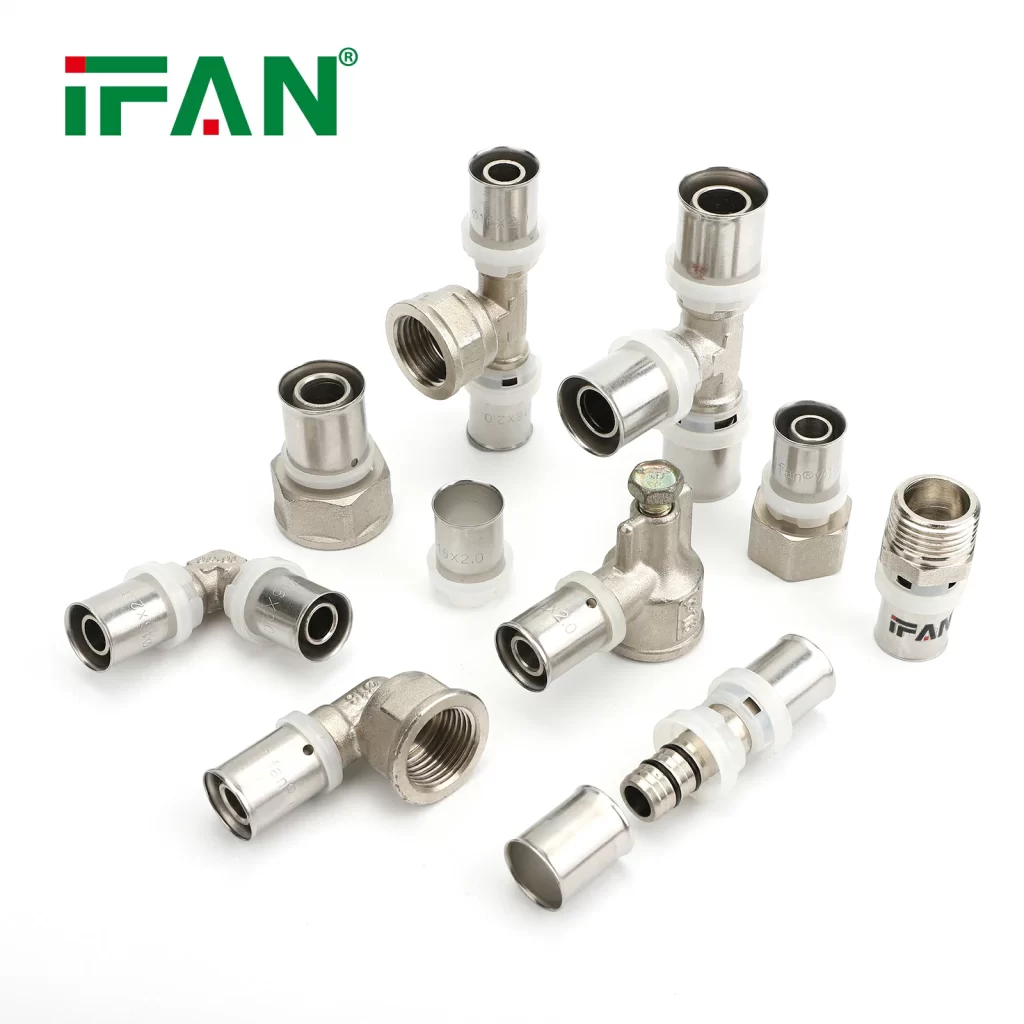
- Works with major PEX press fitting brands (Viega, Uponor, REHAU)
- Interchangeable jaws for different fitting sizes (½” to 2″)
Top Bosch 18V Press Tools for PEX Plumbing
1. Bosch GPR 18V-400 Professional Press Tool
⚡ Key Features:
- 4,000 presses per charge (with 8.0Ah battery)
- Ergonomic grip for comfort
- IP54 rated for dust/water resistance
- Quick-change jaw system
🔹 Best For: Large-scale commercial plumbing projects.
2. Bosch GPR 18V-200 Compact Press Tool
⚡ Key Features:
- 2,000 presses per charge
- Ultra-compact design for tight spaces
- Affordable entry point for small contractors
🔹 Best For: Residential plumbers and service technicians.
How Bosch Press Tools Improve PEX Fitting Installations
| Traditional Method | With Bosch 18V Press Tool |
|---|---|
| Slow crimping process | ⚡ One-second press time |
| Multiple tools needed | ✅ All-in-one solution |
| Higher leak risk | 🔒 Consistent, leak-proof joints |
| Labor-intensive | 💪 Reduces installer fatigue |
Step-by-Step: Installing PEX Press Fittings with Bosch Tools
- Cut & Deburr PEX Tubing
- Use a rotary cutter for clean, square cuts.
- Remove burrs to ensure smooth fitting insertion.
- Mark Insertion Depth
- Align tubing with the depth gauge on the fitting.
- Insert into Press Fitting
- Push tubing in until it stops at the mark.
- Position Press Tool & Activate
- Align Bosch jaws over the fitting.
- Press the trigger—tool confirms completion with a beep & light.
- Inspect the Connection
- Verify a uniform press ring around the fitting.
Bosch vs. Competitors: How Does It Stack Up?
| Feature | Bosch GPR 18V-400 | Milwaukee M18 Force Logic | RIDGID RP 340 |
|---|---|---|---|
| Battery Life | 4,000 presses | 3,500 presses | 3,000 presses |
| Weight | 6.8 lbs | 7.5 lbs | 7.1 lbs |
| Price | $$$ | $$$$ | $$$ |
| Best For | High-volume pros | Heavy-duty industrial | Mid-range contractors |
Verdict:
- Bosch wins for battery life and ergonomics.
- Milwaukee is stronger but heavier.
- RIDGID offers a balance of price and performance.
5 Reasons to Switch to Bosch 18V Press Tools
- 60% Faster Installations – No more manual crimping.
- No Leaks – Precision pressing ensures perfect seals.
- Cordless Convenience – Work anywhere without power outlets.
- Long-Term Savings – Fewer callbacks for leaks.
- Future-Proof – Compatible with all major PEX press fittings.
Frequently Asked Questions (FAQs)
1. Are Bosch press tools compatible with Viega fittings?
✅ Yes – Just use the correct Viega-compatible jaws.
2. How many presses can I do on one charge?
🔋 2,000–4,000 presses, depending on battery size.
3. Can I use Bosch tools for copper press fittings?
✅ Yes – Switch to copper-compatible jaws.
4. Is the Bosch press tool worth the investment?
💡 Absolutely – Saves hours of labor per job and prevents leaks.
5. Where can I buy replacement jaws?
🛒 Authorized Bosch dealers or online retailers like Amazon.