Introduction
Brass ball valves play a pivotal role in industrial pipeline systems, offering efficient control over fluid flow. Their unique design, durability, and versatility make them an ideal choice for various industrial applications. This article delves into the specifics of brass ball valves, highlighting their advantages, applications, and key features.
Construction and Material Properties
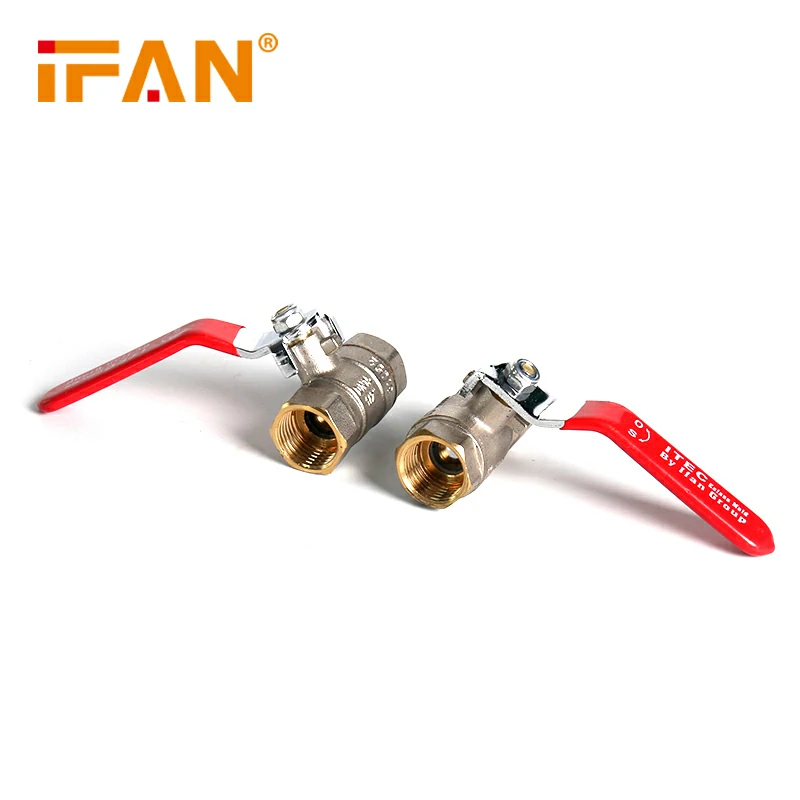
Brass ball valves are renowned for their robust construction, primarily made of high-quality brass. This material ensures great durability and resistance to corrosion, making them suitable for handling a wide range of fluids. The valve body, body cap, and ball are precision-crafted from brass, while seats and stem packing often utilize PTFE (Polytetrafluoroethylene) for extended service life and superior sealing capabilities. The combination of these materials guarantees reliable performance under demanding industrial conditions.
Operating Mechanism and Advantages
The operating mechanism of brass ball valves revolves around a spherical disc (ball) with a hole that aligns with the pipeline when the valve is open, allowing fluid to flow freely. When rotated 90 degrees, the hole is perpendicular to the flow, effectively shutting off the flow. This quarter-turn operation provides swift and effortless control, making brass ball valves popular for quick shut-off applications. Additionally, their full-port design ensures minimal pressure drop, maximizing flow capacity while maintaining tight seals.
Brass ball valves find extensive use across various industrial sectors, including oil and gas, chemicals, power generation, and water treatment. In oil and gas applications, they regulate the flow of hydrocarbons and ensure safe isolation during maintenance activities. The chemical industry relies on brass ball valves for controlling corrosive media, thanks to their corrosion-resistant properties. Power generation plants utilize them in steam lines, while water treatment facilities employ them for controlling water flow and isolating sections for cleaning or repairs.
Selection Criteria and Installation Considerations
When selecting brass ball valves for industrial pipeline systems, several factors must be considered. These include the working pressure and temperature, fluid media properties, and pipeline size. Additionally, the valve’s connection type (flange, threaded, or welded) must match the pipeline’s specifications. During installation, attention should be paid to ensuring proper alignment and sealing to prevent leaks. Regular maintenance, including lubrication and inspection, is crucial to maintain the valve’s performance and extend its service life.
Conclusion
In conclusion, brass ball valves are invaluable components in industrial pipeline systems, offering efficient flow control, durability, and versatility. Their robust construction, efficient operating mechanism, and widespread applicability make them a go-to choice for various industrial applications. By carefully selecting and properly installing brass ball valves, industrial operations can ensure reliable fluid control, optimize process efficiency, and minimize downtime.