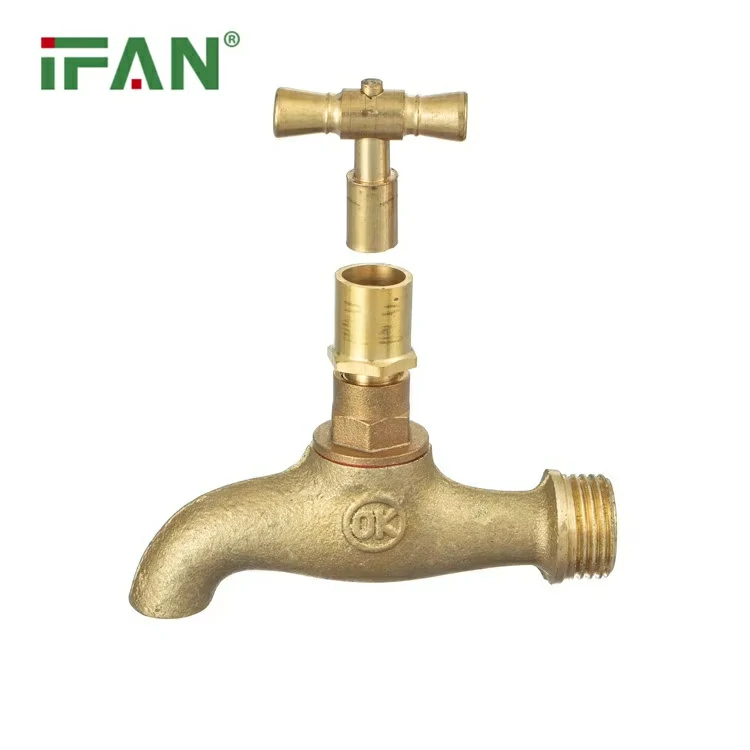
Introduction
A brass check valve for water supply systems is an important component in residential, commercial, and industrial pipelines. Its main function is to prevent backflow and keep water moving in one direction. Without a reliable check valve, contaminated water can return to the clean water line and damage the entire plumbing system.
Brass check valves are widely used because brass offers strong corrosion resistance, long service life, and stable performance under different temperatures and pressures. They are suitable for drinking water systems, irrigation pipelines, water pumps, and HVAC applications.
What Is a Brass Check Valve?
A brass check valve is an automatic valve that opens when water flows in the correct direction and closes when reverse flow occurs. Unlike manual valves, it does not require human operation. The internal mechanism reacts automatically to water pressure.
Most brass check valves contain a spring-loaded disc, swing flap, or piston structure. When water pressure pushes forward, the valve opens. When pressure drops or reverses, the valve closes tightly to stop backflow.
Because of their compact structure and reliable sealing, brass check valves are commonly installed in modern water supply systems.
Why Brass Is a Popular Material
Brass is one of the most popular materials for plumbing valves. It combines strength, machinability, and corrosion resistance. Compared with plastic valves, brass valves can handle higher temperatures and pressure levels.
Brass also performs well in humid environments. It resists rust better than ordinary steel and maintains stable performance for many years. This makes it ideal for potable water systems and long-term installations.
Another advantage is durability. A high-quality brass check valve can operate continuously with minimal maintenance. Many plumbing contractors prefer brass because it reduces replacement frequency and improves system reliability.
Applications of Brass Check Valves in Water Supply Systems
Brass check valves are used in many types of water systems. In residential plumbing, they help prevent dirty water from flowing back into clean water lines. They are often installed near water meters, pumps, and water heaters.
In commercial buildings, brass check valves protect booster pump systems and maintain stable water pressure. Industrial facilities also use them in cooling systems, processing pipelines, and water treatment equipment.
Agricultural irrigation systems rely on check valves to prevent reverse water movement that may damage pumps or reduce efficiency. HVAC systems also use brass check valves to maintain proper fluid circulation.
Key Benefits of Brass Check Valves
Prevents Backflow
The primary benefit is backflow prevention. This protects drinking water quality and keeps the pipeline system safe.
Strong Corrosion Resistance
Brass can resist moisture, minerals, and many water impurities. This extends the valve’s lifespan.
Long Service Life
A durable brass body can withstand frequent operation and pressure fluctuations without cracking or leaking.
Easy Installation
Most brass check valves use threaded connections, making installation simple for plumbers and maintenance teams.
Low Maintenance
Because the valve operates automatically, it requires little attention after installation.
How to Choose the Right Brass Check Valve
Selecting the correct brass check valve depends on several factors. First, consider the pipe size and working pressure. The valve should match the system specifications to ensure proper flow performance.
Second, check the valve type. Swing check valves are suitable for larger pipelines with lower pressure loss. Spring check valves work well in compact systems and vertical installations.
Third, verify material quality. Lead-free brass is recommended for potable water systems because it meets modern safety standards.
It is also important to choose products from reliable manufacturers. Quality control and accurate machining directly affect sealing performance and valve lifespan.
Maintenance Tips
Although brass check valves require limited maintenance, periodic inspection is still necessary. Check for leakage, unusual noise, or pressure drops. Mineral buildup inside the valve may affect operation over time.
Cleaning the valve and replacing worn seals can improve efficiency. In areas with hard water, regular maintenance helps prevent internal scaling.
Conclusion
A brass check valve for water supply systems plays a critical role in maintaining safe and efficient water flow. Its ability to prevent backflow protects both plumbing equipment and water quality. Brass material offers durability, corrosion resistance, and reliable long-term performance.
Whether used in residential plumbing, commercial buildings, or industrial applications, brass check valves remain one of the most trusted solutions for modern water supply systems. Brands like IFAN continue to provide durable and high-quality brass valves that meet the demands of global plumbing markets.