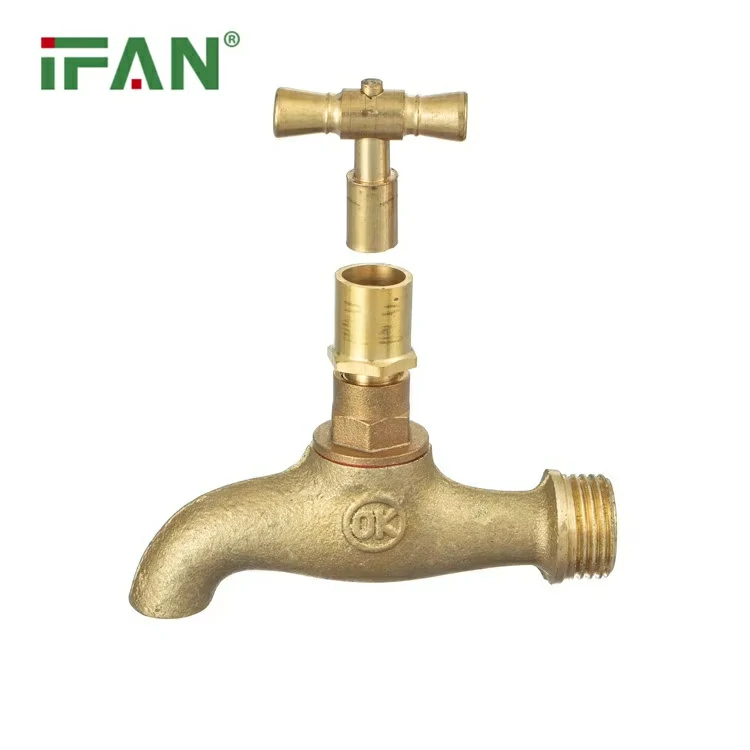
Clean drinking water depends on every component inside a plumbing system. Pipes, fittings, and valves all influence water safety and system reliability. Among these components, the lead free brass check valve plays an important role in preventing backflow and protecting potable water quality.
As global drinking water standards become stricter, many contractors and homeowners now prefer lead free brass valves for residential and commercial plumbing systems. These valves combine corrosion resistance, long service life, and safe water delivery.
What Is a Lead Free Brass Check Valve?
A lead free brass check valve is a one-way valve designed to allow water to flow in only one direction. It automatically prevents reverse flow inside pipelines. The valve body is made from low-lead or completely lead-free brass material that meets modern potable water regulations.
Traditional brass valves often contained higher levels of lead to improve machinability. However, long-term exposure to lead can create serious health risks. Because of this, many countries introduced strict drinking water standards for plumbing products.
Lead free brass check valves are now widely used in:
- Residential water supply systems
- Commercial plumbing installations
- Water heaters
- RO filtration systems
- Municipal water pipelines
- HVAC water circulation systems
Why Potable Water Systems Need Check Valves
Backflow is one of the biggest risks in potable water systems. It happens when water flows backward because of pressure changes inside the pipeline. Contaminated water may then enter the clean water supply.
A brass check valve helps prevent this issue automatically. When water pressure moves in the correct direction, the valve opens. When pressure reverses, the internal mechanism closes immediately.
This simple function helps maintain water hygiene and protects users from contamination.
Advantages of Lead Free Brass Material
Lead free brass offers several benefits for drinking water applications.
Safe for Human Health
The biggest advantage is water safety. Lead free brass contains very low lead content and complies with potable water regulations. It reduces the risk of harmful metal leaching into drinking water.
Excellent Corrosion Resistance
Brass naturally resists rust and corrosion. This makes the valve suitable for long-term use in wet environments. A quality brass check valve can operate reliably for many years with minimal maintenance.
High Temperature Resistance
Lead free brass valves can handle both hot and cold water systems. They are commonly installed in domestic hot water pipelines and heating systems.
Strong Mechanical Performance
Brass provides good strength and durability. The valve body can tolerate high working pressure while maintaining stable sealing performance.
Common Types of Brass Check Valves
Several check valve designs are available for potable water systems.
Spring Check Valve
This type uses a spring-loaded disc. It closes quickly when water flow stops, reducing water hammer effects.
Swing Check Valve
A swing check valve uses a hinged disc that swings open during flow. It works well in larger pipelines with steady water movement.
Vertical Check Valve
Vertical check valves are designed for upward flow systems. They are often used in pump installations and compact plumbing layouts.
Important Certifications for Potable Water Use
When selecting a lead free brass check valve, certifications matter. Reliable products should meet recognized drinking water standards.
Important certifications may include:
- NSF/ANSI 61
- NSF/ANSI 372
- UPC certification
- WRAS approval
- ACS certification
These standards confirm that the valve is suitable for potable water applications and meets lead content regulations.
Installation Tips for Better Performance
Correct installation improves valve lifespan and system efficiency.
- Follow the flow direction arrow on the valve body
- Avoid installing the valve backward
- Use proper thread sealing materials
- Keep the pipeline clean before installation
- Select the correct valve size for the system
Routine inspection also helps prevent leakage and performance issues.
Choosing a Reliable Lead Free Brass Check Valve Supplier
Quality control is critical for plumbing components. A reliable manufacturer should offer certified raw materials, precision machining, and strict pressure testing.
Many professional plumbing brands now focus on environmentally friendly production and advanced valve technology. Companies such as IFAN provide lead free brass check valves designed for modern potable water systems. Their products are widely used in residential and commercial plumbing projects worldwide.
Conclusion
A lead free brass check valve is an essential component in safe potable water systems. It prevents backflow, protects drinking water quality, and improves pipeline reliability. Compared with traditional brass products, lead free valves offer better health protection and compliance with modern regulations.
As demand for clean water solutions continues to grow, lead free brass check valves will remain an important choice for plumbers, contractors, and property owners seeking safe and durable plumbing systems.