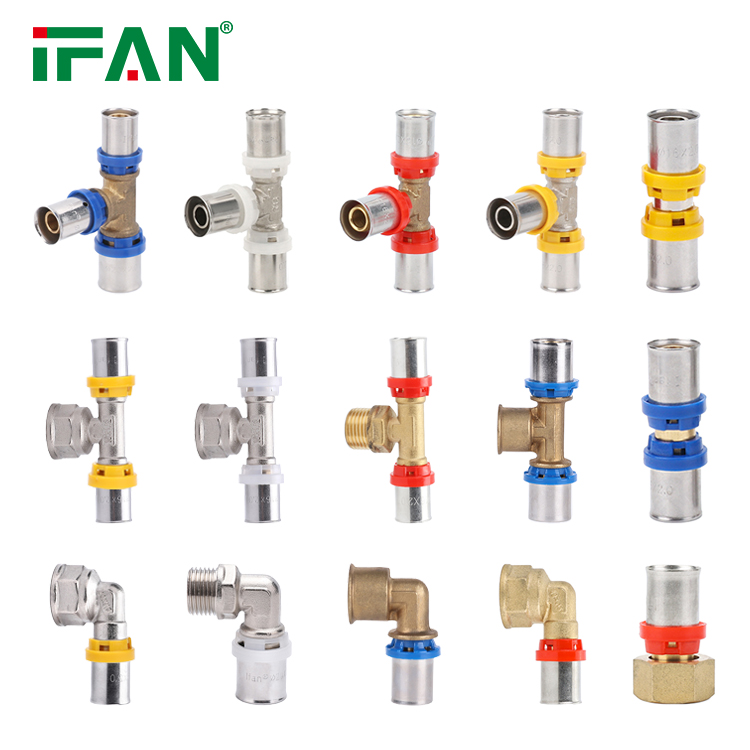
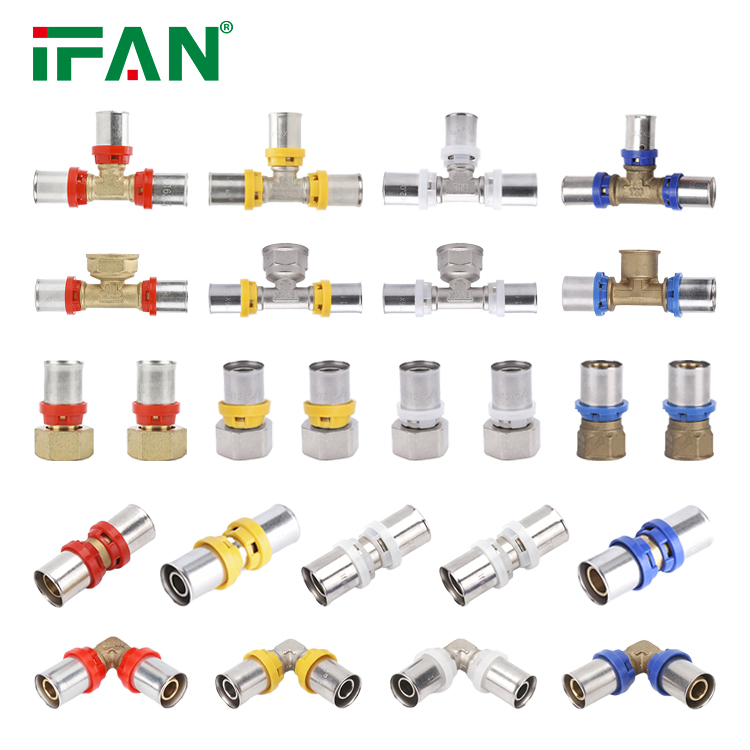
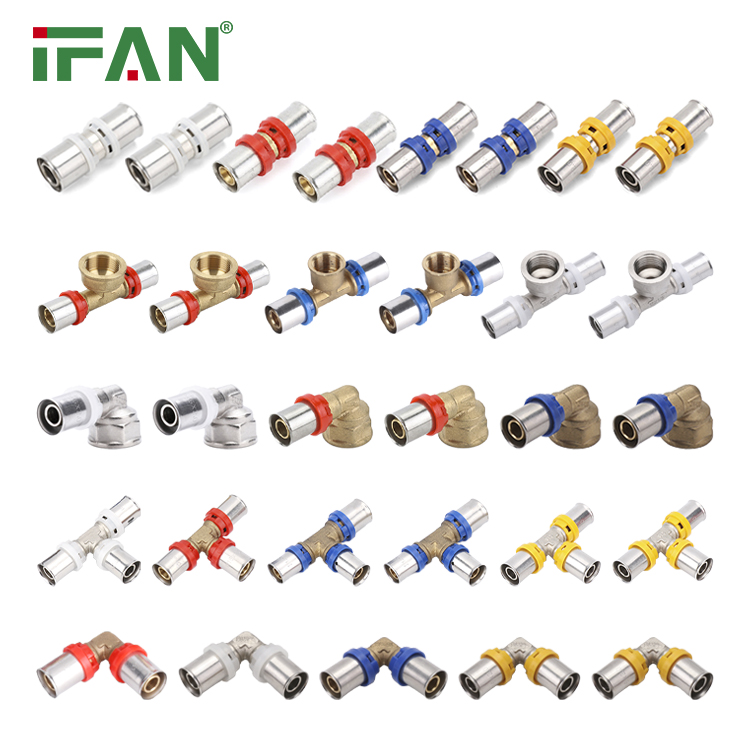
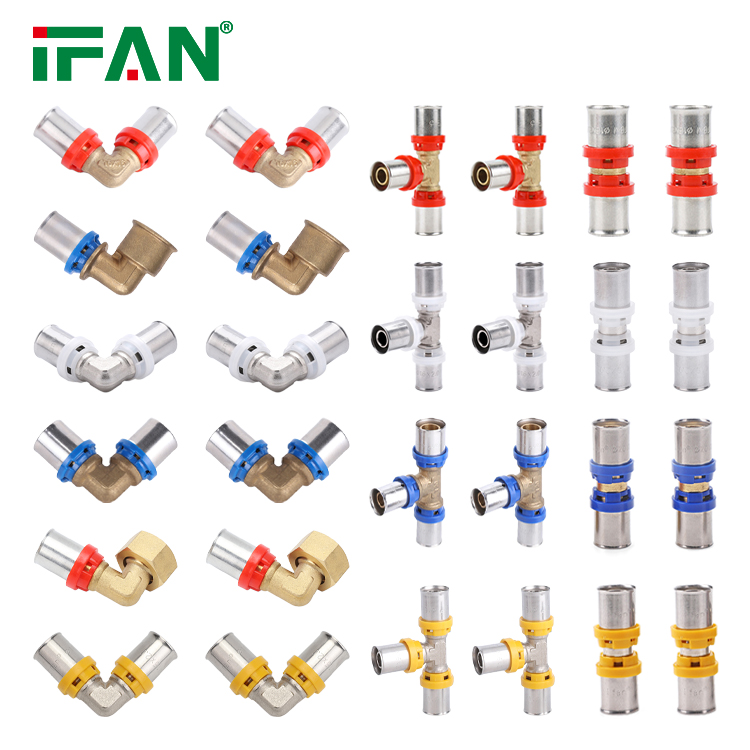
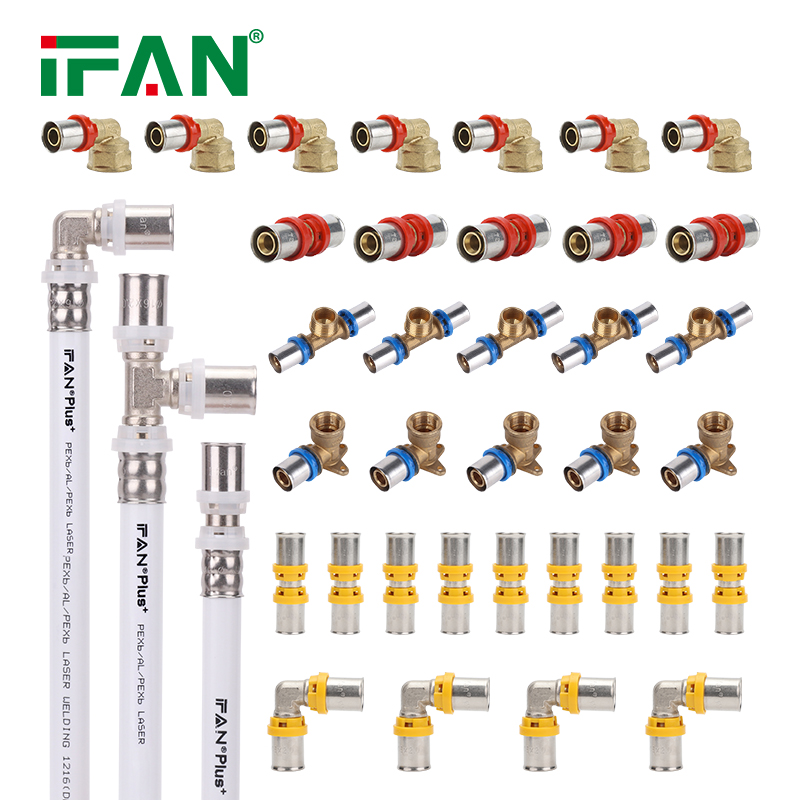
Brass Fittings for High-Pressure Plumbing Applications: Meeting Demanding Requirements
Introduction
High-pressure plumbing systems require strong and reliable components to function efficiently. Among the essential components are brass fittings, which are widely used across different plumbing applications. The fittings are made from high-quality brass material, which ensures durability, long life, and corrosion resistance. This article highlights the key features of brass fittings for high-pressure plumbing applications, including their benefits and how they meet the demanding requirements of modern plumbing systems.
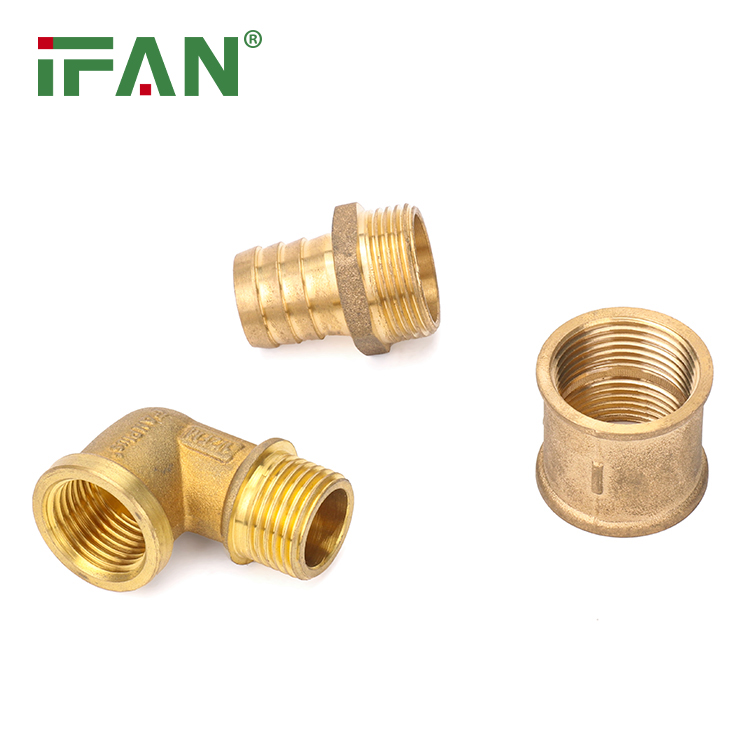
Key features of Brass Fittings
Brass fittings are made from premium-grade brass material, which makes them strong and durable. The fittings are designed to handle high-pressure applications, making them suitable for use in various plumbing systems, including industrial and commercial applications. Additionally, brass fittings have excellent thermal and conductivity properties, making them ideal for use in high-temperature environments. Furthermore, brass is resistant to corrosion, which makes the fittings able to stand up to chemicals and tough environmental conditions.
Benefits of Brass Fittings
When it comes to high-pressure plumbing applications, brass fittings offer numerous benefits. First, they are easy to install, and therefore, projects can be completed quickly and efficiently. Additionally, brass fittings can be threaded, soldered, or press-fitted, depending on the application requirements. Furthermore, brass fittings are leak-proof, which reduces the risk of system malfunctions and the impact of the failure on infrastructure and surrounding areas. Finally, brass fittings are low maintenance, which saves money on repairs and extends service life.
Meeting Demanding Requirements
High-pressure plumbing systems have demanding requirements, making the selection of suitable components crucial to system success. Brass fittings for high-pressure plumbing applications meet these demanding requirements by offering several features that contribute to their performance and longevity. First, unlike other materials, brass is highly resistant to corrosion, which eliminates the risk of fittings failing due to environmental factors. Second, brass fittings can handle high-pressure applications, which makes them ideal for use in harsh industrial and commercial environments. Finally, brass fittings can withstand exposure to extreme temperatures without degrading, making them suitable for use in applications where high temperature is an issue, like geothermal heating and cooling systems.
Conclusion
Brass fittings for high-pressure plumbing applications are among the most reliable and durable components available in the market. The fittings offer numerous benefits that make them suitable for use in various plumbing systems, including their ease of installation, leak-proof design, and low maintenance needs. Moreover, brass fittings meet the demanding requirements of modern high-pressure and high-temperature plumbing systems, providing a long service life and reliable performance. Therefore, it is critical to choose the best brass fittings for your plumbing applications.