Brass Fittings for Water Conservation: Making Your Plumbing System More Efficient
Introduction
Water is a precious resource that must be conserved to ensure its availability for future generations. One of the ways to accomplish this is by using efficient plumbing systems that reduce the amount of water wasted. Installing brass fittings is one such option. In this article, we will discuss how brass fittings can help conserve water and make your plumbing system more efficient.
What are Brass Fittings?
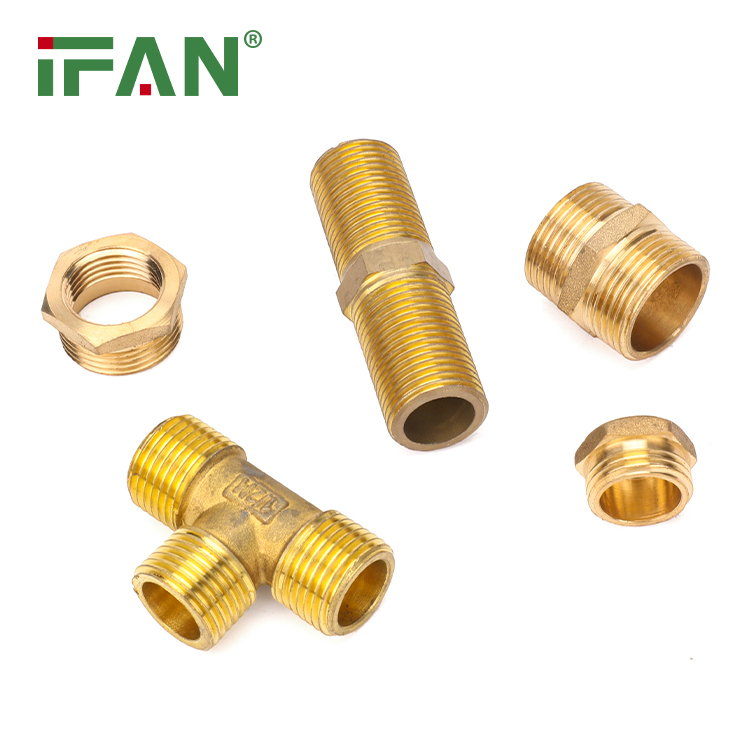
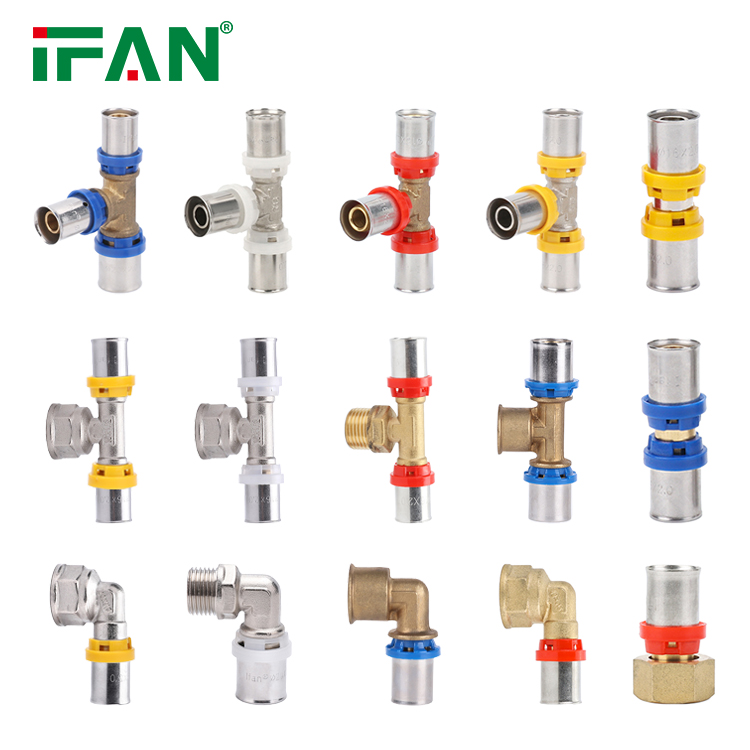
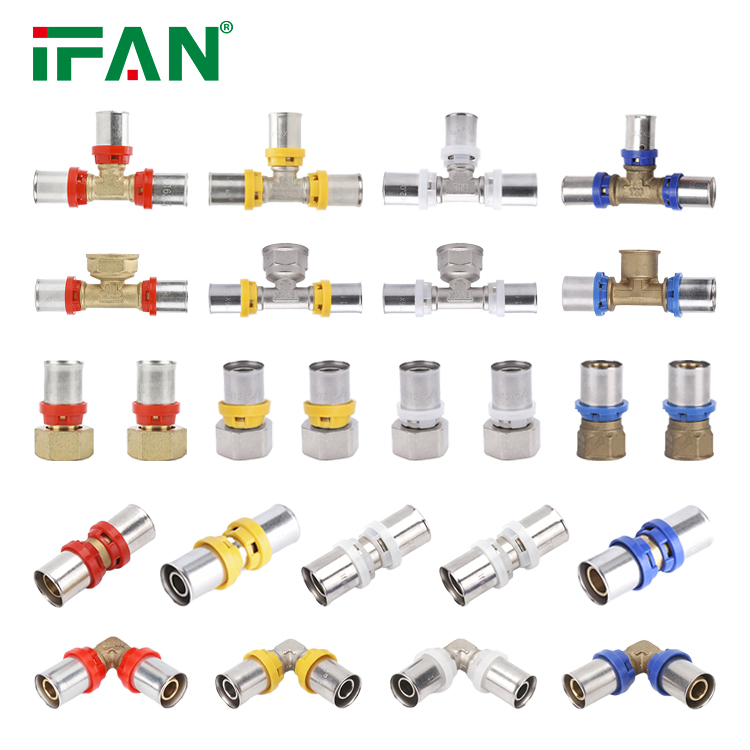
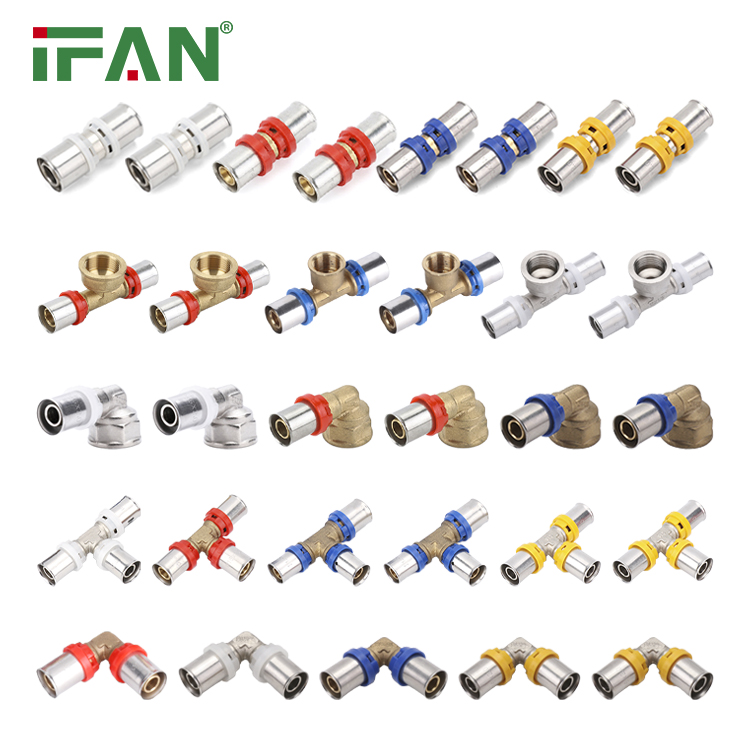
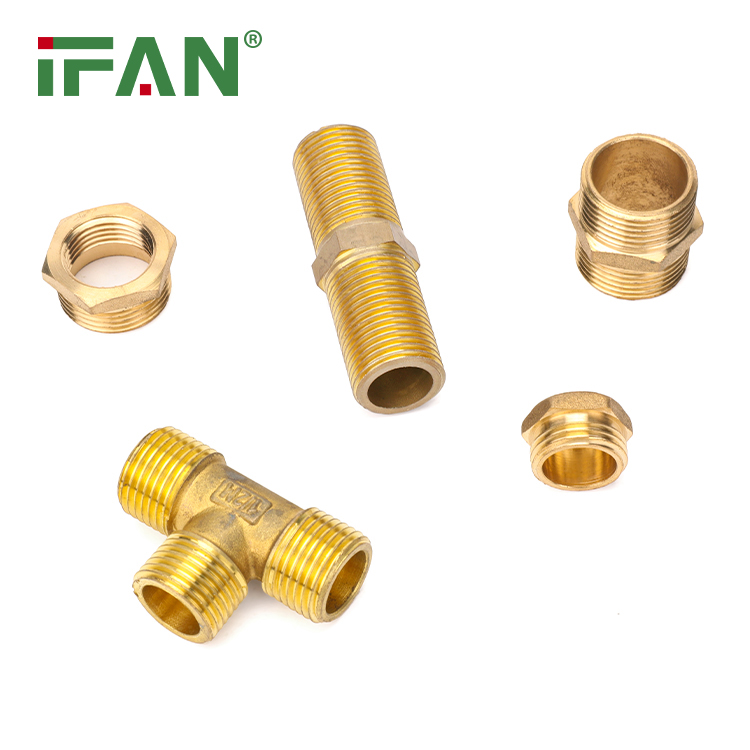
Brass fittings are metal connectors that join pipes and other plumbing components together. They are made of brass, which is an alloy of copper and zinc. Brass is an excellent material for plumbing because it is durable, corrosion-resistant, and malleable. Additionally, brass fittings can be easily installed and maintained.
How Brass Fittings Can Help Conserve Water?
Brass fittings can help conserve water in several ways. First, they prevent leaks and drips that may occur if inferior materials are used. Leaks and drips can waste a significant amount of water over time and increase the water bill. Brass fittings are tight and secure, reducing the chances of leaks and drips.
Second, brass fittings can reduce the flow of water in the plumbing system. By controlling the flow, less water is used, resulting in lower water bills. The increased efficiency also means that less water is wasted during daily activities, such as showering and washing dishes.
Third, brass fittings are adaptable and can be customized to fit various plumbing setups. This makes them ideal for both residential and commercial use. For example, brass fittings can be used in low-flow toilets and urinals, reducing the amount of water used each time the toilet is flushed.
Fourth, brass fittings do not corrode, which can be an issue in areas with hard water. Corrosion can damage the plumbing system, leading to leaks and a higher risk of contamination. Brass fittings are resistant to corrosion, ensuring that the plumbing system remains efficient and safe.
Conclusion
Conserving water is essential for the environment, public health, and the community’s well-being. Using brass fittings is one way to achieve this goal. By reducing water usage and preventing leaks and drips, brass fittings can make your plumbing system more efficient and cost-effective. As a result, you can reduce your water bills and contribute to the conservation of water resources for future generations.