Can PPR pipe fittings be used for underground plumbing systems?

Can PPR pipe fittings be used for underground plumbing systems?

Yes, PPR pipe fittings can be used for underground plumbing systems. Here are some key considerations regarding the use of PPR pipe fittings for underground applications:
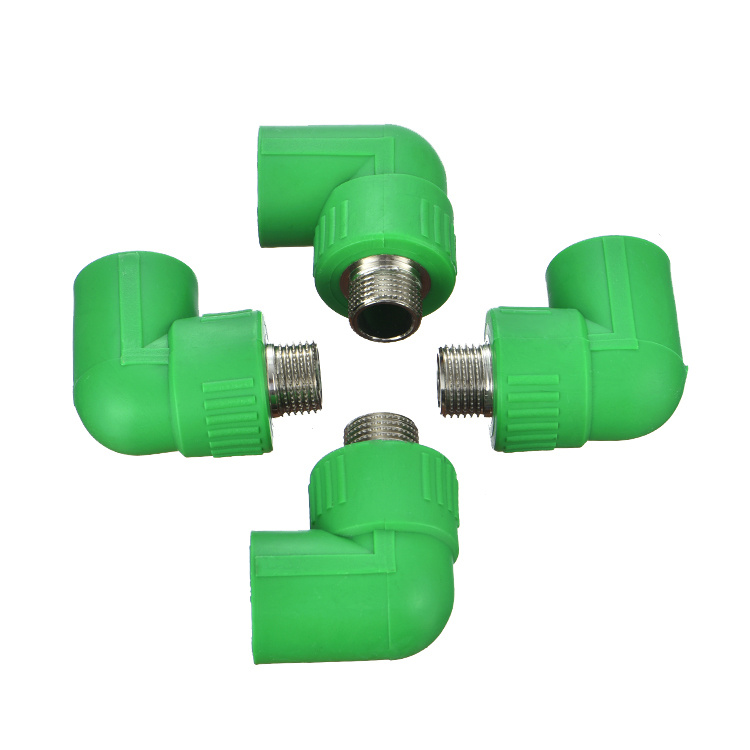
1. Water Resistance: PPR pipe fittings have excellent water resistance properties, making them suitable for underground plumbing systems. They can withstand moisture and do not degrade or corrode when exposed to water.

2. Chemical Resistance: PPR pipe fittings are resistant to a range of chemicals typically found in soil, ensuring their durability and integrity in underground applications.

3. UV Resistance: PPR pipe fittings have good resistance to UV rays. However, when used in exposed outdoor areas, it is recommended to protect them from direct sunlight using appropriate insulation or covering to avoid potential degradation.

4. Insulation and Protection: For underground applications, proper insulation and protection measures are necessary. Using suitable insulation materials and ensuring proper burial depth can help maintain the temperature and protect the fittings from potential damage.

5. Longevity: When installed correctly and used within their specified temperature and pressure limits, PPR pipe fittings can have a long lifespan even in underground plumbing systems. Regular inspections and maintenance can help ensure their longevity.

It is important to consult with plumbing professionals, adhere to local building codes, and consider specific project requirements when using PPR pipe fittings for underground plumbing systems. Proper installation practices, suitable insulation, and regular maintenance will help ensure the optimal performance and longevity of the fittings.
Share:

Facebook
Twitter
Pinterest
LinkedIn

Leave a Comment

Your email address will not be published. Required fields are marked *

On Key

Related Posts

What Causes PEX Pipe Leaks? Common Installation and Connection Problems

PEX leaks rarely happen because the pipe itself suddenly gave up. In most cases, the failure traces back to a connection point or a condition the pipe was never designed to handle. Understanding where things go wrong is the fastest way to avoid becoming the person who has to open a wall six months later.

Can PEX Pipe Freeze and Burst? How to Reduce Cold Weather Risks

The short answer is yes, but the way PEX behaves when water inside it freezes is different from copper or CPVC. PEX has a genuine advantage in cold conditions—it can expand without immediately splitting—but that advantage has limits, and treating it as freeze-proof is how people end up with burst pipe behind a wall in

PEX-A Tubing

PEX-A Tubing for Hydronic Heating

PEX-A tubing for hydronic heating is a popular choice for modern residential and commercial heating systems. Its flexibility makes it easier to install under floors and throughout buildings. For contractors, it offers a practical solution for creating efficient hot water heating circuits. Hydronic heating systems use heated water to transfer warmth through floors, radiators, or

PEX-A Tubing

PEX-A Tubing Price per Meter

The PEX-A tubing price per meter is an important consideration for plumbing contractors, wholesalers, and building material distributors. Whether you are purchasing materials for a residential project or placing a bulk order, understanding the factors behind pipe pricing can help control costs. PEX-A tubing is widely used in hot and cold water systems, underfloor heating,

Get Free Quote NOW