hoosing the Right PPR Fittings for Your Plumbing System
Introduction
Selecting the appropriate PPR fittings is crucial to ensure the optimal performance and longevity of your plumbing system. With a wide range of options available in the market, it’s important to consider several factors when choosing PPR fittings. In this article, we will guide you through the process of selecting the right PPR fittings for your plumbing system. Let’s explore these considerations in detail.
1. Compatibility with PPR Pipes
The first and foremost consideration when choosing PPR fittings is their compatibility with PPR pipes. Ensure that the fittings are specifically designed for use with PPR pipes, as using incompatible fittings can lead to leaks and system failures. Check the manufacturer’s specifications and recommendations to ensure a proper fit and compatibility between the fittings and pipes.
2. Size and Type of Fittings
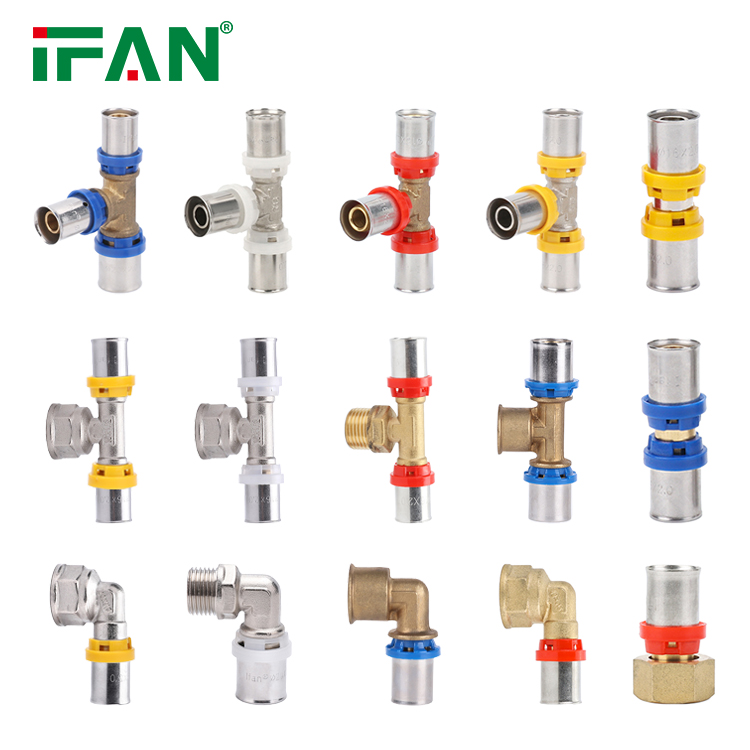
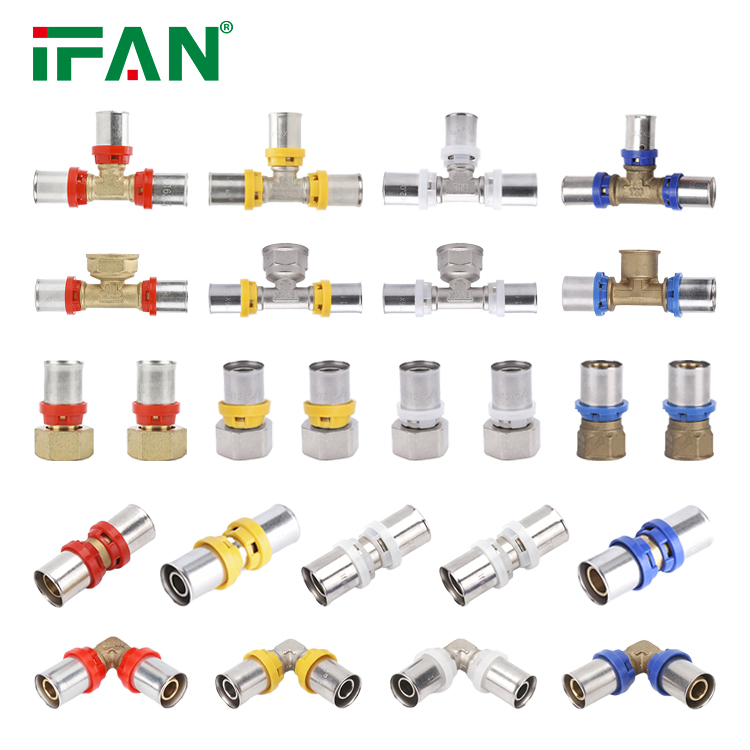
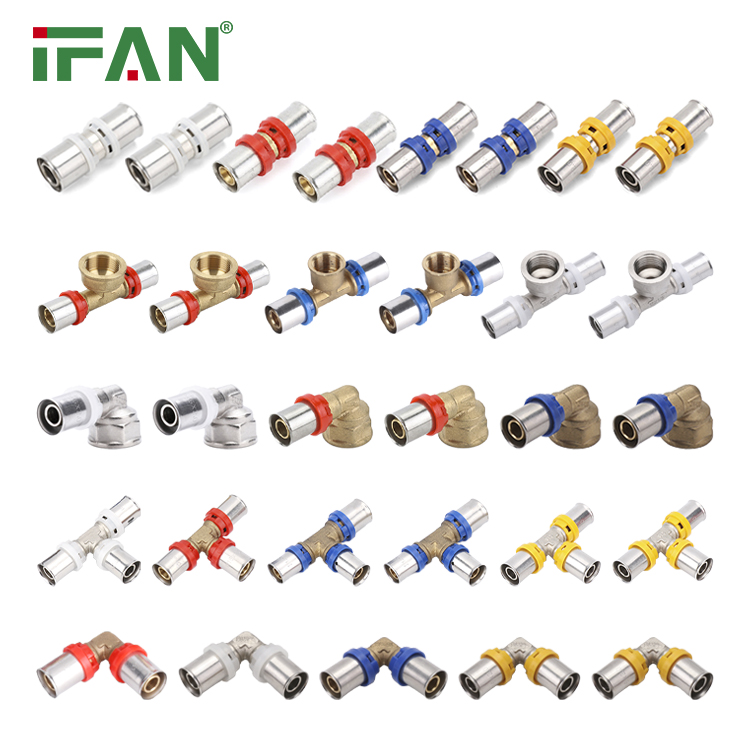
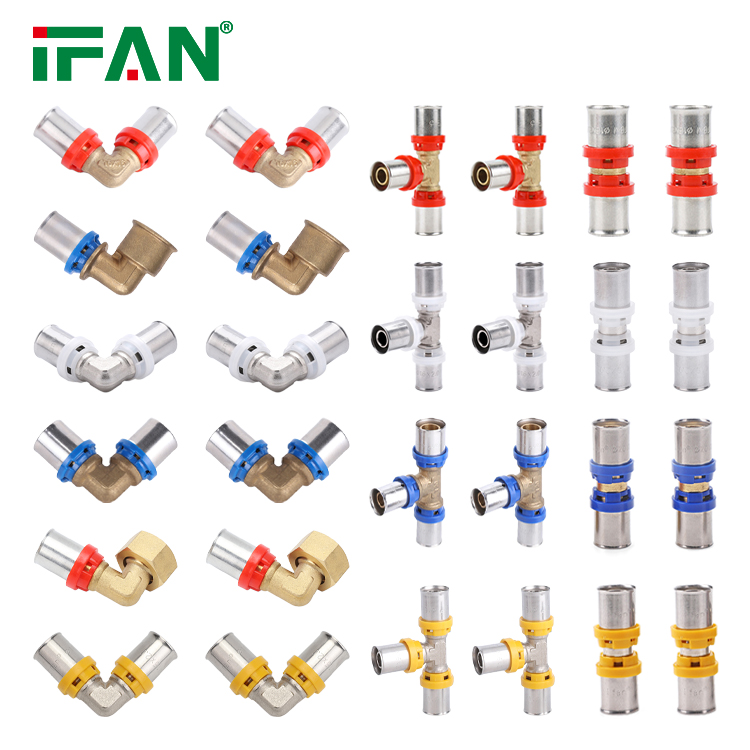
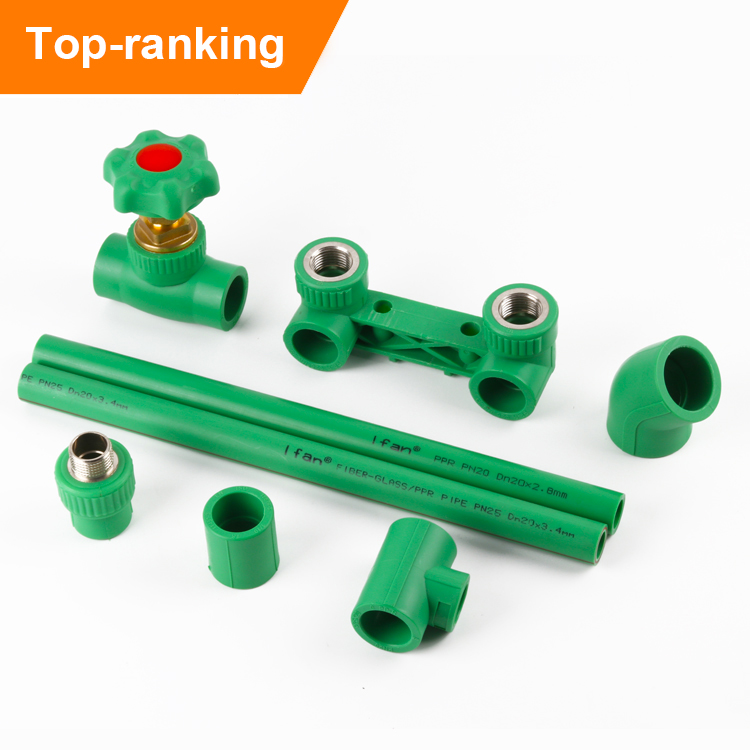
Consider the size and type of fittings required for your plumbing system. Determine the diameter and dimensions of the pipes and select fittings that correspond to these measurements. Common types of PPR fittings include elbows, tees, couplings, end caps, and reducers. Assess your plumbing system layout and requirements to determine the specific types and quantities of fittings needed.
3. Pressure and Temperature Ratings
Evaluate the pressure and temperature ratings of the PPR fittings to ensure they can withstand the operating conditions of your plumbing system. Different fittings have varying pressure and temperature capabilities, and it’s important to select fittings that can handle the specific demands of your system. Ensure that the selected fittings can withstand the maximum pressure and temperature levels that your plumbing system may encounter.
4. Quality and Certification
Choose PPR fittings from reputable manufacturers that adhere to quality standards and certifications. Look for fittings that meet international standards, such as ISO 15874, DIN 8077/8078, or ASTM F2389. These certifications ensure that the fittings have undergone rigorous testing and meet industry standards for performance and safety. Opting for high-quality fittings will ensure reliability and longevity of your plumbing system.
5. Installation Method
Consider the installation method required for the PPR fittings. PPR fittings can be joined using different techniques, such as heat fusion, mechanical connections, or compression fittings. Understand the specific installation method required for the fittings and ensure that you have the necessary tools and expertise to complete the installation correctly. It’s important to follow the manufacturer’s guidelines and recommendations for proper installation.
6. Budget Considerations
Lastly, consider your budget when selecting PPR fittings. While it’s important to prioritize quality and performance, it’s also necessary to find fittings that align with your budget. Compare prices from different suppliers and manufacturers, ensuring that you are getting the best value for your money. Remember that investing in high-quality fittings may result in long-term cost savings due to reduced maintenance and repair requirements.
Conclusion
Choosing the right PPR fittings for your plumbing system involves considering factors such as compatibility, size, pressure and temperature ratings, quality, installation method, and budget. By carefully evaluating these aspects, you can ensure that the selected fittings will provide reliable connections, optimal performance, and durability. Take the time to research and consult with professionals to make an informed decision and ensure the success of your plumbing system.