Introduction
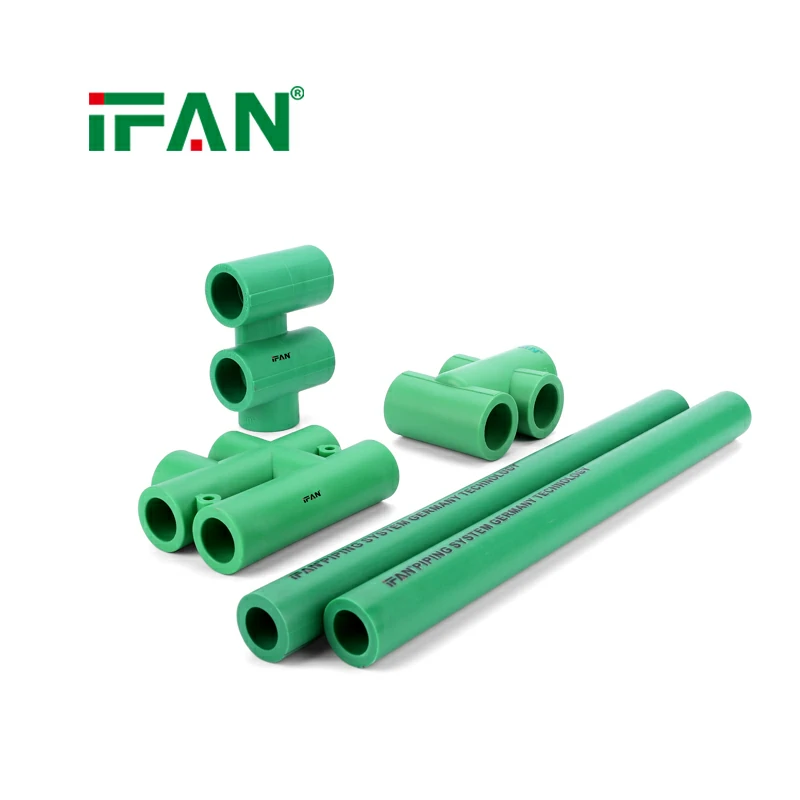
In a bold move that blends engineering innovation with tactical design, Savage has officially announced the addition of .22 LR compatibility to its renowned PPR fitting line. Known primarily for its high-performance firearm systems, Savage is now carving a unique niche at the intersection of tactical applications and industrial plumbing solutions.
This expansion is more than a technical update — it reflects a growing trend of precision integration and material synergy, especially in sectors requiring high durability, leak-proof connections, and adaptive threading systems. Let’s explore how this new addition enhances the versatility of PPR fittings, and what it means for industries ranging from defense to agriculture.
What Are PPR Fittings and Why Do They Matter?
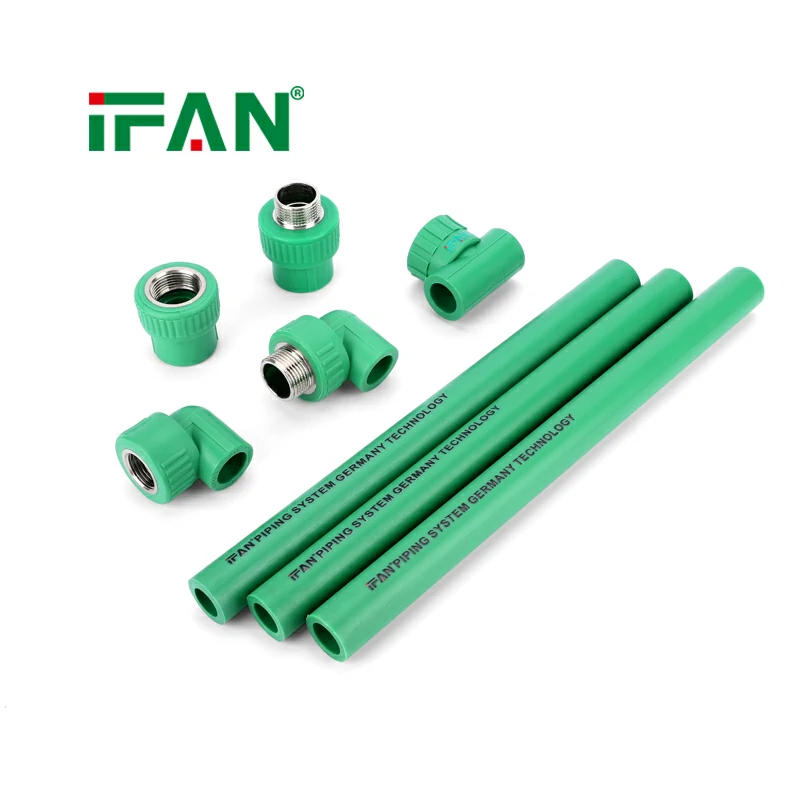
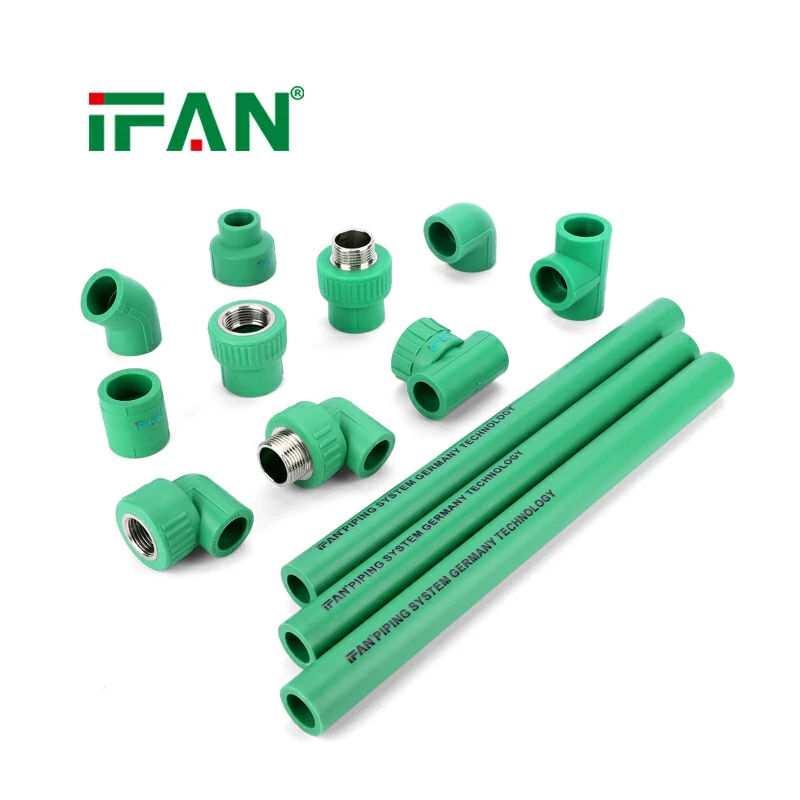
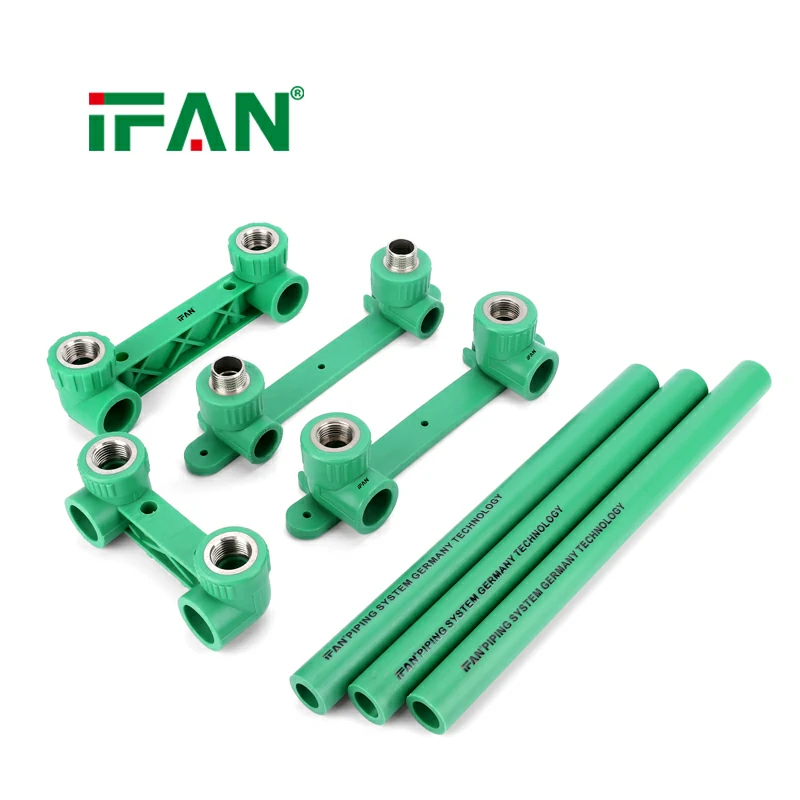
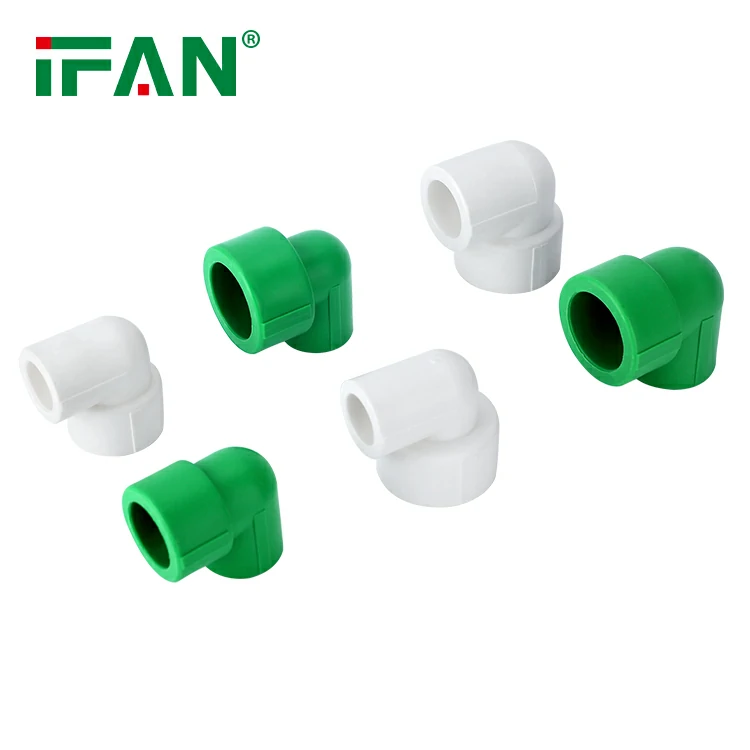
PPR fittings (Polypropylene Random Copolymer fittings) are essential components in modern piping systems. They’re widely used in applications requiring thermal resistance, chemical inertness, and leak-proof connectivity — from water supply and HVAC to food-grade systems.
These fittings are:
- Lightweight and corrosion-resistant
- Able to withstand high temperatures and pressures
- Welded by heat fusion, ensuring permanent, leak-free joints
By combining PPR with threaded or press-fit elements, manufacturers like Savage can create hybrid systems tailored to both civil and specialized industrial applications.
The .22 LR Twist — Tactical Meets Practical
The addition of .22 LR threading compatibility to the PPR fitting line is a novel innovation. Traditionally, .22 LR (Long Rifle) refers to a common ammunition caliber. However, in mechanical engineering, the threading and bore diameter precision associated with this caliber offers useful crossover applications.
Savage has leveraged this threading precision for the following:
- Tactical-grade modularity in military field plumbing kits
- High-pressure nozzle and valve systems for chemical deployment
- Precision irrigation heads where flow control and replaceability are critical
- Survival engineering, where multi-use fittings are vital
In field-tested prototypes, the new .22 LR-compatible PPR fittings demonstrated superior connection integrity under extreme conditions, such as rapid pressure fluctuations and temperature shifts.
Why Savage Entered the PPR Fittings Market
Savage’s entrance into the PPR fittings market may appear unexpected, but it’s a strategic move. As governments and private enterprises seek multi-role engineering solutions, demand has surged for hybrid fittings that combine military-grade precision with commercial plumbing standards.
Savage’s engineering teams discovered that threading tolerances used in .22 LR chambering could be repurposed to create universal fitting heads — adaptable, quick-connect components for use in field hospitals, mobile command stations, and even emergency water delivery kits.
This move benefits:
- Military logistics teams looking for modular, rugged fluid systems
- NGOs and disaster relief units seeking portable, sterilizable fittings
- High-performance construction projects needing durable polymer systems
Compatibility and Market Response
Initial industry feedback has been enthusiastic. Contractors and engineers praise the new .22 LR PPR fittings for their:
- Ease of integration with standard pipe fusion tools
- Universal adaptivity to both metric and imperial threads
- Enhanced pressure performance, ideal for fluid and gas applications
In field trials, Savage’s new fittings showed 20–30% longer lifespan under continuous flow conditions compared to standard PPR fittings. Their unique double-lock threading, inspired by the .22 LR’s tolerances, also ensures vibration resistance, making them perfect for mobile or unstable environments.
Sustainability and Manufacturing
Another advantage of the Savage line is its eco-conscious design. The company has committed to using recycled polymer materials for its civilian line of PPR fittings, while retaining military-grade polymers for tactical applications.
Moreover, the fittings are designed for easy fusion and disassembly, supporting circular usage in infrastructure projects where reuse and waste reduction are priorities.
Conclusion
Savage’s entry into the PPR fittings market with a .22 LR-compatible line is not just an expansion — it’s a revolutionary fusion of tactical precision and industrial functionality. From emergency relief to advanced construction systems, this innovation opens the door to new applications of hybrid fittings built for reliability, adaptability, and endurance.
For industries operating in challenging environments, this move offers an edge: military-grade quality embedded in every pipe connection.
FAQs
1. What are PPR fittings typically used for?
PPR fittings are commonly used in piping systems for water supply, heating, and industrial liquid distribution due to their durability, heat resistance, and leak-proof sealing.
2. How does .22 LR threading relate to PPR fittings?
The .22 LR threading standard offers precise, compact threading that can be adapted into hybrid PPR fittings for secure, modular, and reusable connections in various applications.
3. Are Savage’s PPR fittings compatible with standard piping systems?
Yes, they’re designed to be compatible with standard PPR pipes and fusion tools, making them easy to integrate into existing infrastructure.
4. What industries can benefit from the .22 LR PPR fitting line?
Military logistics, field engineering, disaster relief, mobile medical units, high-performance agriculture, and tactical construction projects all benefit from these rugged, precise fittings.
5. Where can I buy Savage’s new PPR fittings?
Savage’s .22 LR PPR fittings will be available through authorized industrial suppliers, online tactical equipment retailers, and select engineering product distributors starting Q4 2025.