Introduction
Peste des Petits Ruminants (PPR), often known as goat plague, remains a major threat to small ruminant livestock in the Sahel region, particularly in Mauritania. This transboundary viral disease, characterized by high mortality and morbidity, severely affects food security and rural livelihoods. As Mauritania aligns its efforts with global eradication campaigns, a vital component lies not only in biological solutions like vaccines but also in logistical and infrastructural tools — including the often overlooked PPR fittings.
In this article, we explore the optimal vaccination strategy for Mauritania and how the right PPR fittings can enhance vaccine storage, distribution, and application efficiency in remote and arid Sahelian conditions.
Understanding PPR and the Sahelian Challenge
PPR is a highly contagious disease affecting goats and sheep. Its rapid spread across borders in arid environments like Mauritania is fueled by nomadic pastoral systems, porous borders, and limited veterinary infrastructure. The Sahel’s harsh climate — marked by extreme temperatures and long dry seasons — further complicates disease control.
Mauritania’s livestock sector is crucial to its economy and social stability, making PPR control a national priority. However, to achieve effective control, a well-planned vaccination strategy that integrates practical logistics — including the use of PPR fittings — is essential.
Why PPR Fittings Matter in Vaccination Programs
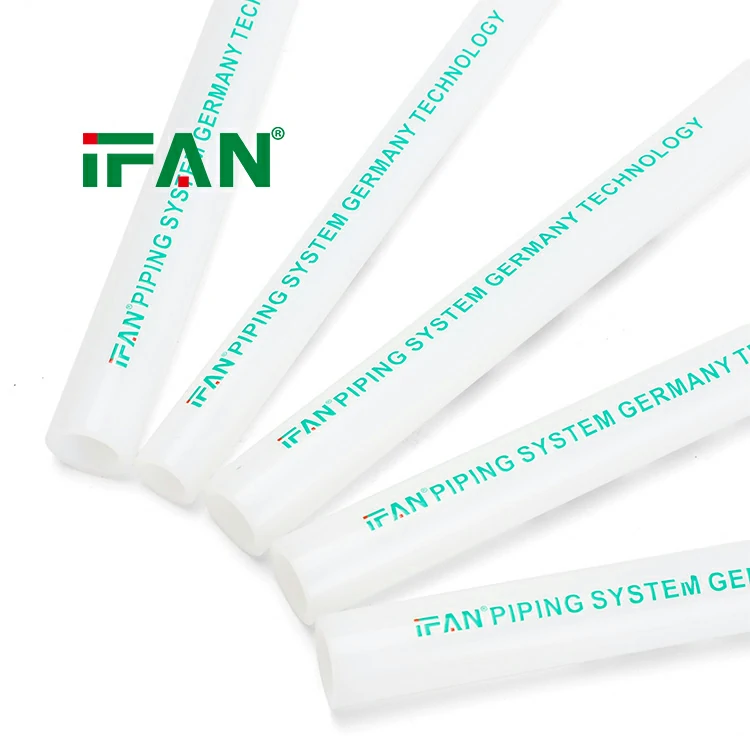
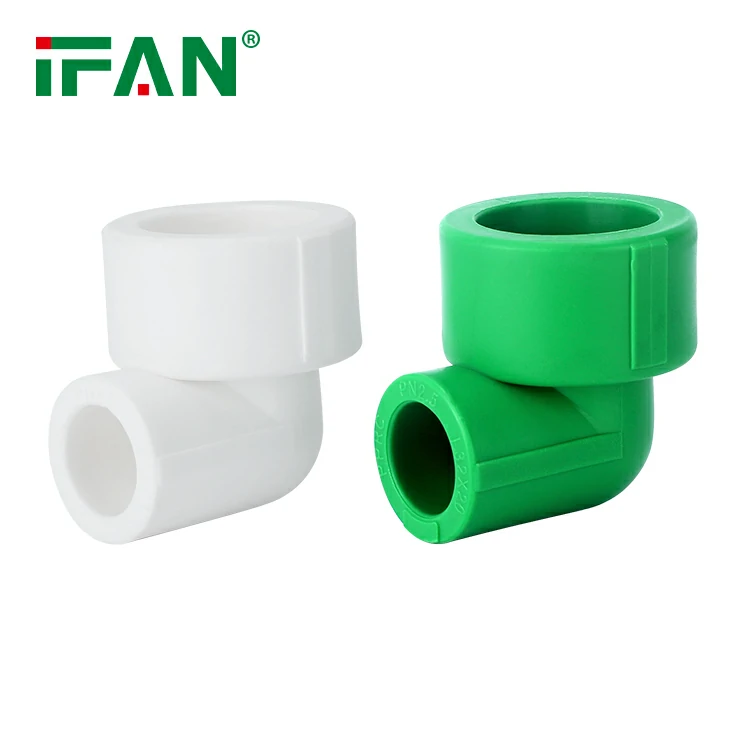
While vaccines are the core of disease prevention, the infrastructure supporting their delivery is just as critical. PPR fittings refer to durable, leak-proof connectors, valves, and tubing used in cold chain systems, mobile vaccination units, and on-site administration tools.
These fittings ensure:
- Consistent cold chain maintenance during vaccine transport in the desert.
- Secure connections in portable vaccination kits, preventing leakage and wastage.
- Ease of disinfection, reducing contamination risk in field use.
- Compatibility with veterinary syringes and containers in rugged conditions.
In Mauritania’s remote regions, using high-quality PPR fittings can mean the difference between a successful vaccination drive and widespread animal loss.
Recommended Vaccination Strategy for Mauritania
A robust vaccination strategy in the Sahelian setting must address both biological and logistical dimensions. Here’s a recommended roadmap:
1. Targeted Mass Vaccination
Seasonal campaigns timed before peak transhumance periods will ensure coverage across herds that travel vast distances. Priority should be given to regions with previous outbreaks.
2. Cold Chain Investment
Given the harsh climate, using insulated containers equipped with PPR fittings ensures safe vaccine transport. Solar-powered refrigeration and mobile cool boxes with secure fittings should be standard.
3. Mobile Vaccination Units
Trained veterinary teams equipped with portable kits fitted with reliable PPR fittings can reach nomadic communities. These kits reduce the need for cold rooms and permanent centers.
4. Digital Traceability & Mapping
Mapping vaccinated zones and identifying gaps using mobile apps or GIS systems can help track coverage. Integrating sensor-enabled PPR fittings in vaccine storage units can support real-time temperature monitoring.
5. Community Involvement
Training local livestock handlers on vaccine handling and basic maintenance of PPR fittings promotes sustainability and better compliance in isolated villages.
Integrating Infrastructure and Policy
Mauritania’s Ministry of Rural Development should prioritize local production or importation of quality PPR fittings to lower costs and improve accessibility. Collaboration with regional neighbors and international bodies (FAO, OIE) can support resource pooling and standardization.
Additionally, encouraging private sector engagement in cold chain logistics can ensure constant availability of both vaccines and supporting equipment.
Conclusion
The fight against PPR in Mauritania hinges on more than vaccines alone. Reliable infrastructure, especially the use of quality PPR fittings, is essential for an effective vaccination strategy in the Sahel. As global eradication targets loom, Mauritania must align biology with practical engineering to safeguard its pastoral future.
FAQs
1. What are PPR fittings used for in livestock vaccination?
PPR fittings are used in vaccine cold chain systems, syringes, and storage units to ensure leak-proof, sterile, and temperature-stable delivery of vaccines in the field.
2. Why is PPR a major concern in Mauritania?
PPR affects goats and sheep, vital to Mauritania’s economy and food security. Its spread is fueled by transhumance, poor infrastructure, and border movement.
3. Can PPR be eradicated through vaccination alone?
Vaccination is critical, but eradication also requires logistics, reliable equipment like PPR fittings, cold chains, and community participation.
4. How do PPR fittings support cold chain logistics?
They ensure airtight, leak-free connections in vaccine transport containers, maintaining required temperatures and preventing vaccine spoilage.
5. Are there local suppliers for PPR fittings in Mauritania?
Local supply is limited, but the government and NGOs are encouraged to support local distribution or import of reliable PPR fittings to improve field operations.