
Introduction
In modern plumbing systems, PEX (cross-linked polyethylene) pipes have become a popular choice for their flexibility, ease of installation, and resistance to corrosion. However, as plumbing technology evolves, it’s essential to consider the role of other materials, particularly PPR (Polypropylene Random Copolymer) pipes, in creating efficient and reliable plumbing solutions. This article will explore the concept of closing the PEX pipe loop while highlighting the advantages of PPR pipes and their applications in plumbing systems.
Understanding PEX Pipe Loops
What is a PEX Pipe Loop?
A PEX pipe loop refers to a closed system of PEX pipes used to circulate water in various plumbing applications, such as hydronic heating systems, radiant floor heating, and hot water recirculation systems. The loop allows for efficient water distribution and helps maintain consistent temperatures throughout the plumbing system.
Importance of Closing the Loop
Closing the PEX pipe loop is crucial for several reasons:
- Energy Efficiency: A closed loop system minimizes heat loss and ensures that water circulates efficiently, reducing energy consumption and costs.
- Consistent Temperature Control: By circulating water in a loop, homeowners can maintain a consistent temperature in their heating systems, providing comfort and reducing energy waste.
- Prevention of Stagnation: Closing the loop prevents water stagnation, which can lead to bacterial growth and unpleasant odors. This is particularly important in hot water systems.
- Improved System Performance: A closed loop system enhances the overall performance of the plumbing system, ensuring that water is delivered where it is needed most.
The Role of PPR Pipes in Plumbing Systems
While PEX pipes are widely used for their flexibility and ease of installation, PPR pipes offer unique advantages that make them a valuable alternative in specific applications. Understanding the benefits of PPR pipes can help plumbing professionals make informed decisions when designing and installing plumbing systems.
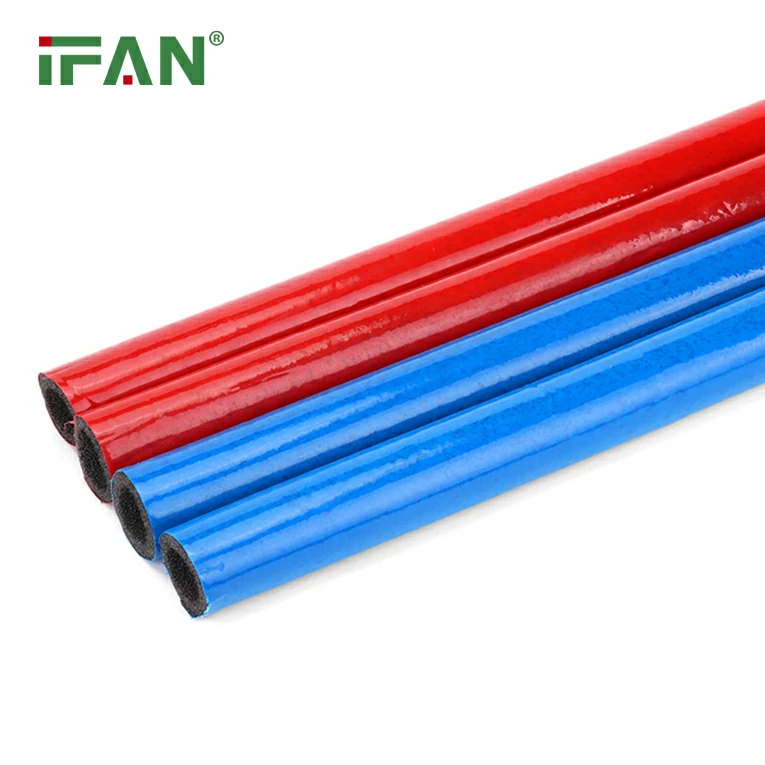
Key Advantages of PPR Pipes
- Durability: PPR pipes have a long lifespan, often exceeding 50 years, making them a reliable choice for plumbing systems. Their resistance to corrosion and scaling ensures that they maintain their integrity over time.
- High-Temperature Resistance: PPR pipes can withstand temperatures up to 95°C (203°F), making them suitable for hot water supply systems and heating applications. This characteristic is particularly beneficial when integrating with PEX systems in high-temperature environments.
- Chemical Resistance: PPR pipes are resistant to a wide range of chemicals, making them ideal for industrial applications where exposure to corrosive substances is a concern. This versatility allows PPR pipes to be used in various plumbing scenarios.
- Leak-Free Joints: PPR pipes can be joined using heat fusion, creating strong, leak-free joints that enhance the overall integrity of the plumbing system. This feature is crucial in maintaining a closed loop in PEX systems.
- Eco-Friendly: PPR pipes are fully recyclable, aligning with sustainable building practices and reducing environmental impact. This eco-friendliness is becoming increasingly important in modern construction.
Integrating PPR Pipes with PEX Systems
Applications of PPR Pipes in PEX Systems
Integrating PPR pipes with PEX systems can provide several benefits, particularly in applications requiring high-temperature resistance and durability. Here are some common applications:
- Hot Water Supply Lines: PPR pipes can be used alongside PEX pipes to create efficient hot water supply lines. Their high-temperature resistance ensures that water remains hot as it travels through the system.
- Industrial Plumbing: In industrial applications where chemicals are present, PPR pipes can be used to transport corrosive substances safely. When combined with PEX systems for water supply, this integration enhances the overall reliability of the plumbing system.
- Hydronic Heating Systems: PPR pipes can be utilized in hydronic heating systems that incorporate PEX loops. Their durability and ability to withstand high temperatures make them an excellent choice for maintaining efficient heating.
- Retrofit Applications: When retrofitting older plumbing systems, PPR pipes can be integrated with existing PEX systems to improve performance and extend the lifespan of the plumbing infrastructure.
Best Practices for Closing the PEX Pipe Loop
To ensure a successful and efficient closed loop system with PEX pipes, consider the following best practices:
- Proper Sizing: Ensure that the PEX pipes are properly sized for the application. Oversized or undersized pipes can lead to inefficiencies and inconsistent temperatures.
- Minimize Bends and Fittings: Reduce the number of bends and fittings in the PEX loop to minimize pressure drops and maintain efficient water flow.
- Insulate the Pipes: Insulating PEX pipes, especially in cold areas, helps reduce heat loss and improves energy efficiency.
- Use Quality Fittings: When integrating PPR pipes with PEX systems, use high-quality fittings to ensure leak-free connections and maintain the integrity of the closed loop.
- Regular Maintenance: Conduct regular inspections and maintenance of the plumbing system to identify any potential issues early and ensure optimal performance.
The Future of PEX and PPR Pipes in Plumbing
As the plumbing industry continues to evolve, the demand for efficient, durable, and sustainable materials will grow. Both PEX and PPR pipes will play crucial roles in shaping the future of plumbing systems. With advancements in technology and a focus on eco-friendly practices, the integration of these materials will become increasingly common.
Innovations in PEX and PPR Technology
- Advanced Manufacturing Techniques: Innovations in manufacturing processes will enhance the performance and versatility of both PEX and PPR pipes, making them more attractive options for plumbing professionals.
- Smart Plumbing Solutions: The rise of smart home technology will drive the demand for intelligent plumbing systems that can monitor and control water usage. PEX and PPR pipes will be integral components of these systems, allowing for efficient water management.
- Sustainability Initiatives: As environmental concerns continue to grow, the plumbing industry will increasingly prioritize sustainable materials and practices. PPR pipes, with their recyclability and low environmental impact, will gain traction alongside PEX pipes.
Conclusion
Closing the PEX pipe loop is essential for ensuring efficient water circulation, consistent temperature control, and overall system performance. While PEX pipes dominate the market for their flexibility and ease of installation, PPR pipes offer unique advantages that can enhance plumbing systems in specific applications. Understanding the strengths of both materials allows plumbing professionals to design and implement effective solutions that meet the needs of modern construction and sustainability.
FAQs
- What is a PEX pipe loop?
- A PEX pipe loop is a closed system of PEX pipes used to circulate water efficiently in plumbing applications, such as hydronic heating and hot water recirculation systems.
- What are the advantages of using PPR pipes?
- PPR pipes are durable, resistant to high temperatures and chemicals, eco-friendly, and provide leak-free joints, making them suitable for various plumbing applications.
- Can PPR pipes be integrated with PEX systems?
- Yes, PPR pipes can be integrated with PEX systems in applications requiring high-temperature resistance and durability, such as hot water supply lines and industrial plumbing.
- What are some best practices for closing a PEX pipe loop?
- Best practices include proper sizing of pipes, minimizing bends and fittings, insulating pipes, using quality fittings, and conducting regular maintenance.
- How do PEX and PPR pipes contribute to sustainable plumbing solutions?
- Both PEX and PPR pipes are recyclable and have lower environmental impacts compared to traditional materials, aligning with sustainable building practices.
